Newport Beach's Trusted Dental Team

(949) 760-9212 Schedule Now

White Spots on Teeth: Whatโ€™s Causing Them and How to Get Rid of Them

Medically Reviewed by Dr. Laura Sharbash, DDS, FAGD, D.ABDSM

White spots on teeth are areas where the enamel has lost minerals or did not form properly, creating opaque, chalky patches that stand out against the surrounding tooth color. They have several distinct causes, and the cause matters because it determines the treatment. The good news is that most white spots are treatable, and the best options are often more conservative than people expect.

At Newport Beach Dental Center, Dr. Laura Sharbash, DDS, FAGD, D.ABDSM, evaluates white spots as part of a comprehensive exam and builds a plan around the specific cause.

What Are White Spots on Teeth?

White spots are areas of enamel that either lost minerals after eruption, known as demineralization, or did not develop properly in the first place, which points to fluorosis or hypoplasia. They are more common than most people realize. Not all white spots are the same, and figuring out which type you are dealing with is the first step.

Are White Spots the Same as Cavities?

No, but some white spots are early-stage cavities in progress. Demineralization, the earliest stage of decay, creates white spots because mineral loss changes how enamel reflects light. At that stage, the tooth surface is still intact, and the process can often be reversed before a cavity forms. White spots from fluorosis or enamel hypoplasia, on the other hand, are cosmetic in nature and do not progress into decay. A quick dental exam tells you which you are dealing with.

Do White Spots on Teeth Hurt?

Most do not. Fluorosis and enamel hypoplasia are cosmetic conditions with no associated pain. White spots from active demineralization can cause sensitivity if the enamel has thinned enough to let temperature changes reach the dentin, but that is more characteristic of a developing cavity than a white spot alone. Sensitivity that is getting worse is a signal to get it checked sooner rather than later.

What Causes White Spots on Teeth?

The four main causes are demineralization, dental fluorosis, enamel hypoplasia, and orthodontic treatment. Each one has a different mechanism and calls for a different treatment approach:

  • Demineralization: acid from plaque bacteria eats into enamel, creating chalky white areas that are the earliest visible sign of decay
  • Dental fluorosis: too much fluoride during the first eight years of life disrupts enamel formation, leaving permanent white or brown markings
  • Enamel hypoplasia: enamel that did not form fully, often due to illness, nutritional deficiency, or premature birth during tooth development
  • Orthodontic treatment: plaque trapped around brackets causes localized demineralization around the brackets themselves

At Newport Beach Dental Center, our dentist conducts a thorough evaluation to determine the cause of your white spots and the best course of action for treatment.

Demineralization

This is the most clinically important type because it is active, and it can progress to a full cavity if left alone. The encouraging part is that caught early, it is reversible. Remineralization therapy can restore lost minerals and stabilize the enamel before structural damage sets in.

Dental Fluorosis

Fluorosis cannot develop once the teeth have erupted, since it is set during childhood. In the United States, the vast majority of cases are mild and affect appearance only, not tooth strength or function.

Enamel Hypoplasia

Hypoplastic enamel is structurally thinner than normal, which can increase sensitivity and decay risk in the affected areas. Treatment focuses on protecting and covering the enamel rather than trying to rebuild it.

Orthodontic White Spots

These are preventable. A 2024 systematic review in BMC Oral Health found that white spot lesion prevalence ranges from 10 to 49 percent globally and confirmed that these lesions are the first visible stage of caries, with prevalence rising among orthodontic patients specifically. Rigorous cleaning around brackets throughout treatment is the most effective way to avoid them.

Can White Spots Be Reversed?

It depends on the cause. Demineralization-related white spots can be reversed in their earliest stages, since saliva naturally remineralizes enamel, and that process is accelerated by professional fluoride treatments and prescription remineralization products. Fluorosis and hypoplasia are developmental conditions that do not reverse on their own, so treatment improves their appearance rather than undoing the underlying change.

Does Whitening Toothpaste Remove White Spots?

No. Whitening toothpastes treat surface stains and have no mechanism to address the mineral or structural changes that create white spots. In some cases, they can actually make fluorosis spots temporarily more noticeable by lightening the surrounding enamel while the already-light spots stay the same. Professional treatment matched to the cause is the more reliable path.

How Are White Spots on Teeth Treated?

Treatment at Newport Beach Dental Center always starts with the most conservative option that achieves the desired result. Dr. Sharbash’s biomimetic approach means preserving as much natural tooth structure as possible. The goal is never to do more than necessary.

Remineralization Therapy

The only treatment that can actually reverse demineralization rather than cover it up. Professional fluoride treatments deposit mineral ions directly into weakened enamel, and prescription-strength remineralization products can continue the process at home between visits. Newer at-home options containing hydroxyapatite, a mineral that closely resembles natural tooth enamel, are also gaining research support as a fluoride-free way to support remineralization between office visits. This approach works best when the enamel surface is still physically intact.

Microabrasion

A gentle in-office procedure that removes a very thin layer of outer enamel to eliminate superficial white spots. Works well for mild fluorosis and post-orthodontic spots confined to the outermost enamel layer. Often combined with teeth whitening to even out the overall shade.

Resin Infiltration

A newer, minimally invasive option that works by infiltrating a tooth-colored resin into the porous structure of a white spot lesion, changing how light reflects off the area without removing any enamel. It is often considered for demineralization-related spots that have stabilized and post-orthodontic white spots, and it can frequently be completed in a single visit with no anesthesia required.

Is Teeth Whitening Effective for White Spots?

Professional whitening works by lightening the surrounding enamel toward the shade of the spots, reducing the contrast rather than removing the spots themselves. It is a good option for mild fluorosis, less so for deep or sharply defined spots. For fluorosis specifically, whitening can temporarily make spots more visible before the enamel rehydrates, so Dr. Sharbash evaluates the cause carefully before recommending it.

Dental Bonding

Dental bonding applies tooth-colored composite resin directly over the spot, color-matched and polished to blend with the surrounding enamel. It is a good middle-ground option, more impactful than microabrasion and less involved than veneers. A single tooth typically takes 30 to 60 minutes.

Porcelain Veneers

When spots are extensive, affect multiple teeth, or have not responded to more conservative options, porcelain veneers provide comprehensive, long-lasting coverage. Dr. Sharbash’s less-is-more approach applies here too, since biomimetic preparation minimizes how much natural tooth structure is removed. For patients with other cosmetic goals alongside the white spots, veneers can address both as part of a smile makeover.

How to Prevent White Spots on Teeth

The most effective measures for the two most common types, demineralization and post-orthodontic spots, start with the basics. Brushing twice daily and flossing daily clears plaque before it generates enough acid to damage enamel, and during orthodontic treatment, an interdental brush or water flosser used to clean around every bracket after meals makes a meaningful difference. Limiting acidic and sugary foods and drinks reduces the fuel available to the bacteria that cause demineralization, and keeping up with professional cleanings means early demineralization gets caught and addressed before it progresses. For children, using the right amount of fluoride toothpaste, about the size of a grain of rice for toddlers, helps prevent fluorosis while still protecting against decay.

Small habits done consistently, like rinsing after acidic drinks, staying on top of cleanings, and keeping brackets clean during orthodontic treatment, go a long way toward keeping white spots from forming in the first place.

Get a Clear Picture of Your White Spots and What to Do About Them at Newport Beach Dental Center

The right treatment depends entirely on the cause, and the only way to know the cause is a proper exam. A consultation at Newport Beach Dental Center includes a comprehensive evaluation that distinguishes between active demineralization, stable fluorosis, hypoplasia, and post-orthodontic lesions, and maps out a plan that starts with the most conservative effective option, whether that means white spot removal or a more comprehensive cosmetic approach.

Dr. Sharbash brings advanced training in cosmetic and biomimetic dentistry to every treatment decision. The office is at 1441 Avocado Ave, Suite 606, Newport Beach, CA 92660. Use our online contact form to book your appointment today.

Frequently Asked Questions About White Spots on Teeth

Can white spots on teeth be removed at home?

Mild, early demineralization can sometimes improve with consistent brushing, flossing, and remineralizing toothpaste, but fluorosis and hypoplasia spots will not change with at-home care alone. A dental exam is the only reliable way to know whether your specific white spots can respond to home care or need professional treatment.

Do white spots on teeth go away on their own?

Early demineralization can sometimes reverse on its own with improved oral hygiene, since saliva naturally remineralizes enamel over time. Fluorosis and enamel hypoplasia are permanent developmental changes and will not fade or disappear without treatment, though their appearance can be improved with the right cosmetic approach.

Is it safe to whiten teeth that have white spots?

Whitening is generally safe, but it can temporarily make fluorosis spots more noticeable before the enamel rehydrates and evens out. We evaluate the cause of your white spots before recommending whitening, since the right sequence of treatment can make a meaningful difference in the final result.

How much does treating white spots cost?

Cost varies widely depending on the cause and the treatment selected, ranging from professional fluoride or remineralization treatments on the lower end to microabrasion, resin infiltration, bonding, or veneers on the higher end. We provide a specific estimate after your evaluation, once we know which approach fits your situation.

Can children get white spots from too much fluoride?

Yes, dental fluorosis develops when a child ingests too much fluoride while permanent teeth are still forming under the gums, typically before age eight. This is why using only a grain-of-rice-sized amount of fluoride toothpaste for young children and supervising brushing helps reduce the risk of fluorosis while still protecting against cavities.

How to Maintain Your Dental Restorations: Tips for Long-Lasting Crowns and Veneers

Dental crowns and veneers can last for a decade or longer, but only if you treat them differently than you treat the rest of your smile. These restorations are strong, but they still depend on the health of the tooth structure and gum tissue underneath and around them, and a few daily habits make the difference between a crown that lasts five years and one that lasts fifteen.

At Newport Beach Dental Center, Dr. Laura Sharbash, DDS, FAGD, D.ABDSM, places dental crowns and veneers and guides every patient on how to protect that investment afterward. The tips below cover the daily habits, the foods and behaviors to avoid, and the professional maintenance schedule that keeps your restorations looking natural and functioning well for as long as possible.

Understanding Your Dental Restorations

Before getting into maintenance, it helps to know what you are actually caring for. Dental crowns are cap-like restorations that cover an entire damaged tooth, restoring both its strength and its shape. Modern crowns are typically made from porcelain, ceramic, porcelain-fused-to-metal, or gold, and each material behaves a little differently over time. Veneers are thin shells bonded to the front surface of a tooth to improve its appearance. They are usually made from porcelain or composite resin and are used primarily for cosmetic enhancement rather than structural repair. If you are still weighing your options, our comparison of dental bonding and veneers explains how the two differ.

Both restorations are durable by design, but neither is indestructible. The porcelain or composite itself resists staining and wear reasonably well, though the margin where the restoration meets your natural tooth, and the natural tooth structure underneath, remain just as vulnerable to plaque and decay as any other part of your mouth.

How Long Do Crowns and Veneers Actually Last?

This is one of the most common questions we hear, and the honest answer is that it depends on the material, your bite, and how consistently you maintain them. Porcelain veneers typically last 10 to 15 years, and well-maintained cases can continue performing well past the 15 to 20 year mark. Composite resin veneers are less durable and more prone to staining, generally lasting 5 to 7 years before they need replacement or refinishing.

Crowns tend to hold up well too. A five-year study of single-unit crowns published in Dentistry Journal in 2021, which followed porcelain-fused-to-metal and metal crowns placed in a university teaching clinic, found an overall cumulative survival rate of 83.9 percent at the five-year mark, with metal crowns performing slightly better than porcelain-fused-to-metal crowns from year four onward. In practice, many crowns continue functioning well beyond five years when the surrounding tooth and gum tissue stay healthy and the patient keeps up with routine care.

Restoration Typical Lifespan Main Things That Shorten It
Porcelain veneers 10 to 15 years, often longer with good care Grinding, biting hard objects, gum recession at the margins
Composite veneers About 5 to 7 years Staining drinks, tobacco, chipping from hard foods
Crowns Many last well beyond five years Decay at the margin, grinding, sticky foods, missed checkups

These numbers are averages, not guarantees, and your own restoration may last longer or shorter depending on grinding habits, diet, and how quickly small issues get addressed.

Daily Care Habits That Protect Your Restorations

Maintaining your dental restorations starts with the same daily habits that protect the rest of your smile, applied a little more carefully. Brush twice daily with a soft-bristled toothbrush, since hard bristles or aggressive brushing can scratch porcelain surfaces and irritate the gum line around a restoration. Floss daily around every restoration, paying particular attention to the margin where the crown or veneer meets your natural tooth, since plaque tends to collect there. Choose a non-abrasive toothpaste and avoid whitening formulas or those containing baking soda, which can be too abrasive for porcelain over time. Many patients also benefit from an antimicrobial mouth rinse, which can help reduce plaque buildup around the restoration margins between brushings.

It is worth remembering that while the restoration material itself cannot decay, the natural tooth structure underneath or adjacent to it can still develop a cavity, so these habits protect more than just the crown or veneer.

Protecting Your Restorations From Damage

Beyond basic hygiene, a few protective habits go a long way toward extending the life of your dental work. If you grind your teeth at night, a nightguard is one of the most effective ways to prevent the chipping, cracking, and premature wear that bruxism causes, since grinding places repeated stress on both the restoration and the bond that holds it in place. If you play sports, wearing a sports mouthguard protects your restorations from any impact to the face. Try not to use your teeth as tools for opening packages, cutting thread, or biting your nails, and be cautious with very hard foods like ice, hard candy, and nuts, all of which can chip or dislodge a restoration if bitten directly.

Foods and Habits to Avoid

Certain foods and habits pose particular risks to crowns and veneers. Sticky foods such as caramels and taffy can potentially pull at the margins of a restoration or dislodge it altogether. Dark-colored beverages like coffee, tea, and red wine will not stain porcelain the way they stain natural enamel, but they can gradually discolor the margins and any composite bonding material over time. Tobacco products stain restorations and compromise the health of the surrounding gum tissue, and heavy alcohol consumption can weaken bonding materials through dehydration. If you enjoy staining beverages regularly, drinking them through a straw can help minimize contact with your front teeth.

If you plan to whiten your natural teeth, the timing matters. Porcelain and composite do not respond to whitening, so professional options such as Zoom teeth whitening are usually best done before new front restorations are shade-matched, not after.

Regular Professional Maintenance

Your at-home routine works best alongside consistent professional care. Attending your six-month checkups and cleanings allows us to identify and address any issues with your restorations before they become serious problems, and professional polishing with agents designed for dental restorations helps maintain their natural luster. During these visits, we evaluate your restorations for wear, check the margins where they meet your natural tooth, and confirm the surrounding gum tissue remains healthy. Our post on the importance of regular dental checkups explains what else those visits catch.

A few situations call for contacting our office sooner than your next scheduled visit. Reach out to us if any of the following happens:

  • A crown or veneer feels loose or shifts when you bite down
  • You notice pain or sensitivity around a restoration
  • You see a chip or crack in the restoration itself
  • Your bite feels different than it did before
  • The restoration’s color changes noticeably compared to the surrounding teeth

Addressing these issues early can often prevent a more extensive, and more costly, repair down the line.

Why Biomimetic Dentistry Supports Longer-Lasting Results

Dr. Sharbash’s approach to restorations follows biomimetic dentistry principles, meaning treatments are designed to mimic the natural strength and flexibility of your original tooth structure rather than simply covering it. You can read more about the philosophy behind this conservative approach and why it tends to create a stronger, more seamless bond between a restoration and the tooth beneath it. In practice, this conservative preparation preserves more of your natural tooth structure up front, which can support a longer-lasting result when paired with the daily and professional care outlined above.

Dr. Laura Sharbash, DDS, FAGD, D.ABDSM, is a Fellow of the Academy of General Dentistry and a Diplomate of the American Board of Dental Sleep Medicine, and she brings that same conservative, detail-oriented approach to every restoration she places. Your crowns and veneers represent a real investment in both your oral health and your confidence, and with the right care, they can continue looking natural and functioning well for many years.

If you have questions about caring for your dental work, or it has been six months since your last checkup, reach out through our online contact form to schedule your visit.

Frequently Asked Questions About Caring for Crowns and Veneers

How long do dental veneers last?

Porcelain veneers typically last 10 to 15 years, and many well-maintained cases continue performing well past 15 to 20 years. Composite resin veneers are less durable and generally last 5 to 7 years before they need replacement or refinishing. Consistent oral hygiene and avoiding habits like nail biting or chewing ice can help your veneers reach the longer end of that range.

Can you whiten a dental crown or veneer?

No, whitening treatments and whitening toothpaste do not change the shade of porcelain or composite restorations the way they change natural enamel. If a crown or veneer no longer matches the rest of your smile after whitening your natural teeth, the restoration may need to be replaced to restore a consistent shade across your smile.

What happens if a veneer or crown chips?

A small chip does not always mean the entire restoration needs to be replaced. Depending on the size and location of the chip, we may be able to smooth or repair it during an office visit. Larger chips or cracks that expose the underlying tooth typically call for a full replacement, so it is worth having any chip evaluated promptly rather than waiting.

Do crowns and veneers get cavities?

The restoration material itself cannot decay, but the natural tooth structure underneath a crown or adjacent to a veneer can still develop a cavity if plaque builds up along the margins. This is why daily flossing around restorations and regular checkups remain important even after a tooth has been restored.

Is a nightguard really necessary if I have crowns or veneers?

If you grind or clench your teeth at night, a nightguard can meaningfully lower the risk of chipping, cracking, or debonding a restoration. Grinding places repeated pressure on crowns and veneers that they are not designed to absorb over the long term, so a properly fitted nightguard is one of the most effective ways to protect the investment you have already made.

The Connection Between Oral Health and Heart Disease: What Newport Beach Residents Should Know

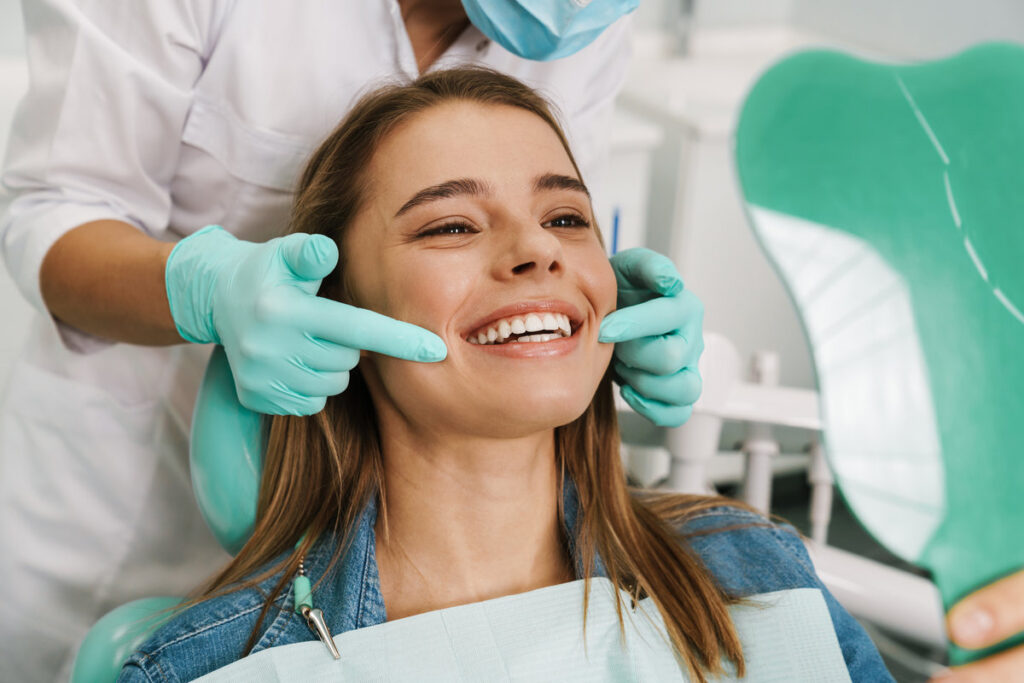
European young woman smiling while looking at mirror in dental clinic

Did you know that the health of your mouth might be connected to the health of your heart? Research increasingly suggests that poor oral health is linked to a higher risk of cardiovascular disease. While this connection might seem surprising at first, understanding the relationship between these two areas of your body can be crucial for your overall wellbeing.

At Newport Beach Dental Center, Dr. Laura Sharbash, DDS, FAGD, D.ABDSM is committed to educating patients about how oral health impacts their entire body. By understanding these connections, you can take proactive steps to protect both your smile and your heart.

The Oral-Systemic Connection

The link between oral health and heart disease centers around inflammation and bacteria. When you have gum disease (periodontal disease), the bacteria from your mouth can enter your bloodstream through inflamed and bleeding gum tissue. Once in your bloodstream, these bacteria may:

  • Contribute to the formation of arterial plaque
  • Cause inflammation in blood vessels
  • Increase your risk of blood clots
  • Potentially lead to endocarditis (infection of the heart’s inner lining)

Research from the American Heart Association has found that people with gum disease are two to three times more likely to have a heart attack, stroke, or other serious cardiovascular event.

Warning Signs to Watch For

Maintaining awareness of the symptoms of gum disease can help you take action before it affects your cardiovascular health. Watch for:

  • Red, swollen, or tender gums
  • Bleeding while brushing or flossing
  • Persistent bad breath
  • Receding gums or teeth that appear longer
  • Loose teeth or changes in how your teeth fit together

Many Newport Beach residents are surprised to learn they have gum disease because the early stages can be painless. This makes regular dental check-ups essential for early detection.

How to Protect Your Heart Through Oral Health

Taking care of your oral health is a simple yet effective way to reduce your risk of heart disease. Here are practical steps you can take:

  • Maintain a consistent oral hygiene routine with twice-daily brushing and daily flossing
  • Schedule regular dental cleanings and check-ups every six months
  • Quit smoking, as it significantly increases your risk of gum disease
  • Eat a balanced diet low in sugary foods and beverages
  • Address teeth grinding or clenching, which can damage gum tissue

For Newport Beach residents with heart conditions, it’s especially important to inform Dr. Sharbash about your medical history, medications, and any concerns from your cardiologist.

Who Is at Higher Risk?

Certain factors can increase your risk for both gum disease and heart problems:

  • Age (risk increases as you get older)
  • Smoking or tobacco use
  • Diabetes
  • Family history of heart disease
  • High blood pressure or cholesterol
  • Stress

If you have any of these risk factors, being vigilant about your oral health becomes even more important.

Comprehensive Care at Newport Beach Dental Center

At Newport Beach Dental Center, we take a holistic approach to your dental care, considering how your oral health affects your overall wellbeing. Dr. Sharbash’s extensive training and certifications as a Fellow of the Academy of General Dentistry (FAGD) and Diplomate of the American Board of Dental Sleep Medicine (D.ABDSM) allow her to provide comprehensive care that addresses both your immediate dental needs and long-term health.

Our approach to treating gum disease is gentle yet effective, focusing on non-invasive treatments whenever possible. From thorough professional cleanings to personalized home care recommendations, we’ll work with you to develop a treatment plan that fits your specific needs.

Your oral health is too important to ignore, especially when it may impact your heart health. If you’re concerned about gum disease or it’s been more than six months since your last dental check-up, we encourage you to contact our Newport Beach office to schedule an appointment. Taking care of your smile today may help protect your heart tomorrow. Contact us at (949) 760-9212 or through our online appointment form.

What Does FAGD Mean? Why Your Newport Beach Dentist’s Advanced Certification Matters

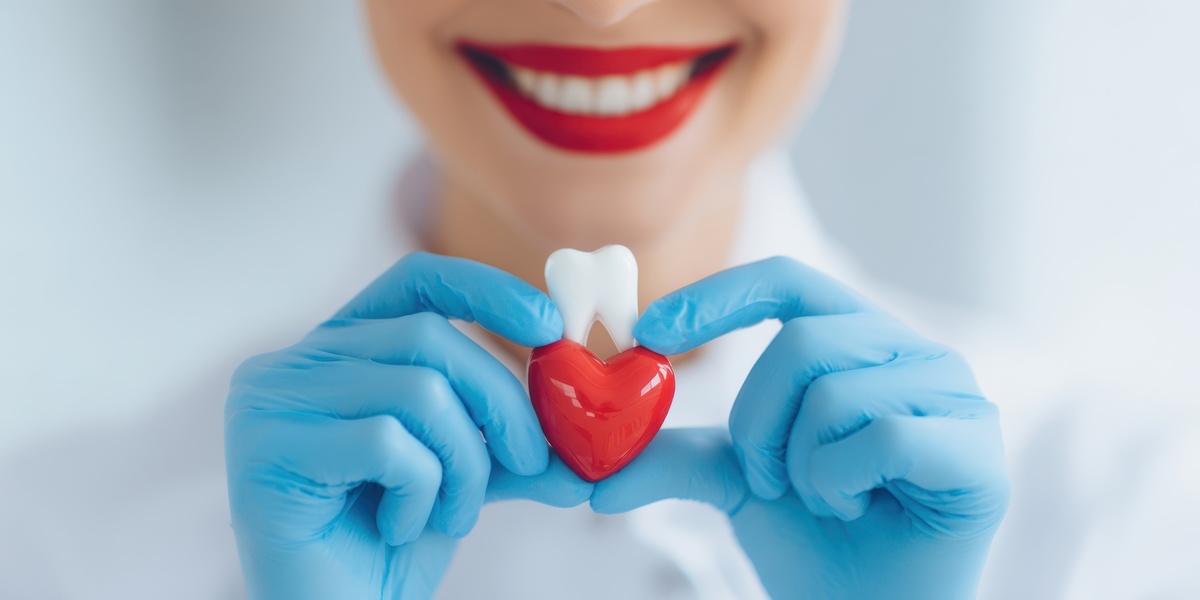
The smiling dentist holding a heart-shaped model for dental health awareness.

When you see letters after your dentist’s name, they represent years of dedication to continuing education and professional excellence. FAGD stands for Fellow of the Academy of General Dentistry, a prestigious designation held by fewer than 6 percent of general dentists in the United States and Canada. This advanced certification demonstrates a dentist’s commitment to staying current with the latest techniques, materials, and best practices through rigorous continuing education requirements that exceed standard licensing mandates.

If you’re looking for a Newport Beach dentist who prioritizes clinical expertise and professional growth, Dr. Laura Sharbash, DDS, FAGD, D.ABDSM, at Newport Beach Dental Center provides evidence-based, precise care using a conservative, biomimetic approach. At Newport Beach Dental Center, Dr. Sharbash offers comprehensive dental services that demonstrate her commitment to lifelong learning and clinical excellence, resulting in advanced care for a more effective dental experience.

What Qualifications Are Required to Earn the FAGD Designation?

Becoming a Fellow of the Academy of General Dentistry requires a substantial dedication beyond graduation from dental school. Dentists must complete over 500 credit hours of continuing education, with 350 of those credits earned through live courses where they practice techniques in classroom settings. According to the Academy of General Dentistry, candidates must also pass an examination equal in difficulty to board certification exams.

The credential demonstrates expertise in:

This rigorous process ensures FAGD dentists possess current knowledge across all areas of general dentistry. 

Why Should You Choose a Dentist in Newport Beach With Multiple Advanced Certifications?

Beyond the FAGD designation, Dr. Sharbash holds additional credentials, including Diplomate status from the American Board of Dental Sleep Medicine (D.ABDSM). This combination of certifications demonstrates comprehensive knowledge across multiple dental disciplines, enabling integrated treatment planning that addresses both aesthetic concerns and overall health considerations.

A dentist with diverse advanced certifications can identify connections between oral health and systemic wellness that less experienced practitioners might overlook. For example, Dr. Sharbash’s dual expertise in general dentistry and dental sleep medicine enables her to recognize when jaw alignment issues may contribute to airway obstruction or when cosmetic treatments should be coordinated with Obstructive Sleep Apnea management strategies.

Patients benefit from this perspective through thorough examinations, proactive planning, and tailored care that addresses multiple needs at once. Dentists pursuing multiple advanced certifications provide more complete, effective treatment for their patients.

What Makes FAGD Dentists Stand Out From Other General Dentists?

The Academy of General Dentistry fellowship represents a dentist’s dedication to excellence that extends throughout their career. While standard dental licensure requires minimal continuing education hours, FAGD dentists voluntarily commit to hundreds of additional educational hours, which allows them to bring the most current approaches and knowledge to their patients’ care.

This distinction becomes particularly important as dental technology and techniques continue to advance rapidly. From digital impression systems to biomimetic restoration materials to AI-powered clear aligner monitoring platforms, modern dentistry offers unprecedented opportunities for precision and comfort. FAGD dentists invest time learning these innovations thoroughly before incorporating them into patient care.

Schedule Your Appointment at Newport Beach Dental Center

Understanding advanced dental credentials helps you make informed oral health care choices. The FAGD designation reflects a proven commitment to continuing education and hands-on skill development across general dentistry. Combined with specialized certifications, it signals a dentist dedicated to exceptional patient care.

Dr. Laura Sharbash’s FAGD and D.ABDSM certifications, combined with her experience as a spokesperson for the Academy of General Dentistry, position her as a trusted authority in dental care. When you choose Newport Beach Dental Center, you benefit directly from her advanced training and personal focus, making your dental care experience more personalized. Call Newport Beach Dental Center at (949) 760-9212 or complete a contact form to schedule your consultation and experience these benefits firsthand.

The Truth About Dental Insurance: What Your Plan Isn’t Telling You

Doctor with a patient at the reception of the dental clinic.

Here’s something most people discover too late: dental insurance isn’t insurance at all. It’s more like a coupon book with an expiration date, and the fine print reads like a mystery novel written by someone who really doesn’t want you to solve it. While health insurance kicks in when things get serious, dental insurance often caps out right when you need it most, leaving patients scratching their heads and their wallets considerably lighter.

At Newport Beach Dental Center, we’ve spent years helping patients navigate the confusing world of dental insurance. Dr. Sharbash believes in transparent conversations about coverage, limitations, and realistic expectations so you can make informed decisions about your oral health. Understanding what your plan actually covers is the first step toward taking control of your dental care.

The Annual Maximum Myth

Most dental plans come with an annual maximum benefit, typically between $1,000 and $2,000. Sounds reasonable until you realize a single crown can cost between $800 and $1,500. Need two crowns? You’ve already hit your limit for the year. Meanwhile, your premiums never stop, and unused benefits vanish faster than a New Year’s resolution.

Insurance companies bank on you not using your full benefits. They’ve calculated the odds, and they’re betting you’ll skip that second cleaning or postpone necessary treatment. It’s a system designed more around corporate profit margins than your oral health.

The Waiting Period

Sign up for a new plan, and you might discover you can’t actually use it for anything beyond basic cleanings for six months to a year. Need a root canal? That’s going to require a 12-month waiting period. Broken tooth? The insurance company suggests you wait it out. These waiting periods protect the insurer’s bottom line while leaving you to manage pain and potential complications on your own dime.

The logic seems backward. You pay premiums immediately, but coverage for anything beyond routine care requires patience that dental problems rarely afford. Bacteria don’t wait, decay doesn’t pause, and infections certainly don’t respect your policy’s timeline.

In-Network Doesn’t Mean Better Care

Insurance companies create provider networks to control costs, not to ensure quality. That in-network dentist might be there because they agreed to significant fee reductions, not because they offer superior care. Some of the best practices operate outside these networks because they refuse to compromise on materials, technology, or time spent with each patient.

At Newport Beach Dental Center, weโ€™ve decided to focus on out-of-network care. This means we can spend adequate time with each patient, use premium materials, and recommend treatments based solely on your needs rather than what an insurance company deems “reasonable and customary.” We still file insurance claims on your behalf, but arbitrary restrictions on the quality of care do not bind us.

The “Usual and Customary” Game

Insurance companies love this phrase. It means they’ll pay what they consider reasonable for your area, which often bears little resemblance to actual costs. For example, your dentist charges $1,500 for a procedure. The insurance might decide $900 is “customary” and leave you with the difference, even though you’ve been paying premiums all year.

These determinations are made behind closed doors, using data that nobody can verify. Even when insurance companies know that preventive care helps stop more serious conditions before they have the chance to wreak havoc on your health, they often classify necessary preventive treatments as cosmetic or elective to avoid payment.

What You Can Do Instead

Understanding your policy is the first step. Read the fine print. Know your annual maximum, your deductible, and which procedures require pre-authorization. Don’t assume coverage; verify it before treatment begins.

Consider whether your plan actually saves you money. If you’re paying $50 per month in premiums, that’s $600 per year. If your plan covers two cleanings and an annual exam totaling $400, you’re already paying more than you’re receiving. Some patients find better value in membership plans or simply paying directly for general dentistry services.

Ask your dentist about alternative treatment timelines. Sometimes procedures can be strategically scheduled across different benefit years to maximize coverage. A good dental team will work with you to optimize your benefits while prioritizing your oral health.

Experience Transparent Dental Care at Newport Beach Dental Center

At Newport Beach Dental Center, we believe in patient-centered care without the insurance runaround. Dr. Sharbash brings over a decade of experience in comprehensive dental care, focusing on what’s best for your long-term health rather than what’s easiest for insurance processing. We’ll help you understand your benefits, file claims on your behalf, and work within your budget to achieve optimal oral health.

Ready to experience dentistry that prioritizes your smile over profit margins? Contact our office today to learn about our approach to accessible, high-quality dental care. We’ll explain your options clearly, answer all your questions, and develop a treatment plan designed around your needs.

What to Do in a Dental Emergency: A Step-By-Step Guide

Medically Reviewed by Dr. Laura Sharbash, DDS, FAGD, D.ABDSM on September 24, 2026

Imagine enjoying your favorite meal when you suddenly bite down on something hard, and a sharp pain shoots through your tooth. Or you’re playing a game of basketball, and a stray elbow knocks out one of your teeth. Unfortunately, dental emergencies can happen unexpectedly, leaving you panicked and unsure of what to do next. But don’t worry! Knowing how to handle a dental emergency can save you time, pain, and even your tooth. 

At Newport Beach Dental Center, Dr. Laura Sharbash, DDS, FAGD, D.ABDSM, provides expert emergency dental care with a compassionate approach. With extensive credentials, including over 500 hours of continuing education to earn her Fellowship in the Academy of General Dentistry, Dr. Sharbash is among the top 6% of general dentists in the U.S. and Canada who hold this distinction. Our practice offers same-day emergency appointments whenever possible, helping you address dental crises quickly and effectively.

What Qualifies as a Dental Emergency?

Not every toothache or minor pain is a dental emergency, but some situations require immediate attention. Some common dental emergencies you may encounter include:

  • Severe toothache that doesn’t go away with over-the-counter medications
  • Knocked-out-tooth
  • Chipped or broken tooth
  • Lost filling or crown
  • Abscesses or swelling
  • Uncontrolled bleeding

Every year, an estimated two million people visit the emergency department for dental pain. While dental emergencies can be scary, many of these cases are referred to a dentist for treatment as the ER is not equipped to treat most dental conditions. Identifying the signs and symptoms of a dental emergency and contacting a dentist for emergency treatment and guidance is essential for getting the quick care and attention you need to relieve your pain and protect your oral health.

What Should You Do Immediately Following a Dental Emergency?

In a dental emergency, fast action is crucial. Whether you are dealing with a knocked-out tooth, severe toothache, abscess, or broken restoration, here are some practical tips for what to do in a dental emergency:

Knocked-Out-Tooth

If a tooth has been knocked out, only grip it from the crown and avoid touching its roots. Try positioning the tooth back into the socket or a glass of milk. At the same time, seek immediate dental attention to help improve your chances of saving the tooth and successfully reattaching it.

Severe Toothache

If you are dealing with a severe toothache, try rinsing your mouth with warm water and flossing to remove any trapped food particles. A pain reliever can help manage discomfort while waiting for your emergency appointment. Apply a cold compress or ice pack to your cheek to minimize swelling, and call your dentist to schedule an appointment to diagnose and treat the root cause of your pain. 

Chipped Or Broken Tooth

As with a toothache, try rinsing your mouth with warm water and utilizing a cold compress to manage swelling. Collect and save any broken pieces and bring them with you to your emergency appointment.

Lost Tooth Or Filling

If a crown falls off, try to place it back over the tooth using dental cement that can be purchased at most pharmacies. If a filling falls out, sugar-free gum or dental cement can be used as a temporary cover. Avoid chewing or biting on the problem area until you see your dentist.

Abscess Or Swelling

A warm saltwater rinse can help soothe swelling and reduce inflammation caused by an infection. Avoid poking or draining the abscess yourself, as this can spread the infection and bring on more severe complications. Seek immediate dental care, as an untreated abscess can result in other diseases and health conditions. 

Bleeding

If you have suffered a soft tissue trauma that has caused bleeding, a clean gauze or cloth can be applied to the area to help stop blood flow. If bleeding is severe or persists for more than 15 to 20 minutes, seek emergency medical care immediately. 

Trust Newport Beach Dental Center For Your Dental Emergency

When dental emergencies strike, having a knowledgeable and responsive dental team can make all the difference in your outcome and comfort. At Newport Beach Dental Center, Dr. Laura Sharbash and our team provide prompt, effective care designed to relieve pain and address your dental crisis with expertise and compassion. We understand dental emergencies are stressful, so we maintain a light-hearted but factual approach that helps put you at ease while still providing the serious care you need. Our practice prioritizes same-day emergency appointments whenever possible and focuses on biomimetic dental techniques that preserve your natural tooth structure.
Don’t let dental emergencies cause unnecessary pain or complications. We can handle everything from knocked-out teeth to severe toothaches, lost crowns, and dental infections. For patients needing orthodontic solutions following specific dental injuries, we also offer ProMonitoring clear aligners as part of comprehensive treatment plans. Whatever your emergency dental needs, we’re here to help restore your smile and oral health. For immediate assistance with your dental emergency, call Newport Beach Dental Center at (949) 760-9212 or visit our contact form to schedule your emergency appointment.

Frequently Asked Questions About Dental Emergencies

Should I go to the ER or call the dentist first for a dental emergency?

For most dental emergencies, including knocked-out teeth, severe toothaches, and lost crowns, calling your dentist first is the better move, since emergency rooms are generally not equipped to treat the underlying dental problem. Save the ER for uncontrolled bleeding, facial trauma, or swelling that affects your breathing or swallowing.

How long can a knocked-out tooth survive outside the mouth?

A knocked-out tooth has the best chance of being saved if it is reinserted or placed in milk within about 30 to 60 minutes. The longer the tooth is out of the socket, the lower the odds of a successful reattachment, so acting quickly matters more than almost anything else.

What counts as an emergency versus something that can wait for a regular appointment?

Severe pain, swelling, a knocked-out or fractured tooth, uncontrolled bleeding, and a lost crown or filling all warrant same-day attention. Mild sensitivity or a small chip that is not causing pain can usually wait for a scheduled visit.

Can I use super glue to fix a broken tooth or crown at home?

No, over-the-counter glue is not designed for use in the mouth and can damage the tooth or irritate soft tissue. Dental cement from a pharmacy is a safer temporary option for a lost crown or filling until you can be seen.

What should I bring to an emergency dental appointment?

Bring any broken tooth fragments or the tooth itself if it was knocked out, a list of current medications, and your insurance information if applicable. Arriving with this information helps your dentist move directly into treatment planning.

About the Author

Dr. Laura Sharbash, DDS, FAGD, D.ABDSM

Newport Beach Dental Center

Dr. Sharbash provides emergency and general dental care with a conservative, biomimetic approach at Newport Beach Dental Center. She holds Fellowship in the Academy of General Dentistry, an honor held by fewer than 6% of dentists nationwide, and was named one of 10 “Dentists to Watch” by AGD Impact.

The Importance of Regular Dental Check-ups: What You Can Expect During a Visit

We all have busy lives, and visiting the dentist regularly may not be a top priority on your to-do list. However, the dentist plays a crucial role in maintaining your oral and overall health. Many people only visit the dentist when they are experiencing pain or other dental issues, but preventative care is crucial in avoiding these problems and protecting your teeth and gums. 

At Newport Beach Dental Center, Dr. Laura Sharbash, DDS, FAGD, D.ABDSM, offers comprehensive dental check-ups to promote oral health and prevent issues before they arise. With her extensive training and commitment to continuing education as a Fellow of the Academy of General Dentistry, Dr. Sharbash delivers exceptional care using the newest methods and best practices in dentistry. Her light-hearted yet professional approach ensures your dental visit is informative and comfortable.

Why Are Regular Dental Exams Essential?

According to the CDC, approximately 65% of adults had a dental exam or cleaning last year. This means nearly 4 out of 10 people aren’t getting the essential dental care they need. Regular dental exams are more than just keeping your teeth clean; they help prevent and detect issues before they become serious problems. Cavities, gum disease, and even oral cancer can sometimes develop without noticeable symptoms. A dentist can spot these problems early, making treatment more manageable, less invasive, and often less expensive.ย 

Professional cleanings are also vital to regular dental care, as plaque and tartar can still build up even with excellent brushing and flossing. Dental cleanings remove these deposits to reduce your risk of cavities and gum disease. 

In addition, your oral health is linked to your overall health, with research showing that conditions like diabetes and heart disease are correlated with poor oral health habits. Maintaining good dental care and getting regular exams can ensure your dental and overall well-being stay optimal. 

What Happens During a Dental Check-Up?

You may wonder what to expect if it’s been a while since your last dental check-up. While each patient is unique and receives treatment tailored to their specific needs, a routine visit typically includes the following steps:

  • Medical history: Before your exam begins, your dentist or hygienist will ask about any changes in your medical history, medications you are taking, or any dental concerns you’ve noticed.
  • Imaging: X-rays and dental imaging help dentists see what’s happening beyond the naked eye, including cavities, bone loss, and other hidden issues. While not necessary at every exam, these images are often taken once a year to monitor any changes.
  • Oral examination: Your dentist will inspect your teeth, gums, tongue, and mouth for indications of decay, gum disease, or other oral health concerns. They will also check for any abnormalities, including signs of oral cancer.
  • Professional cleaning: A dental hygienist will clean and disinfect your teeth using specialized tools to remove buildup. These steps include: scaling to remove plaque and tartar, polishing to smooth the surface of your teeth, and flossing to clean between the teeth.
  • Gum health assessment: Your dentist or hygienist will search your gums for signs of gingivitis or more advanced gum disease. They may use a small tool to measure pocket depth around your teeth to assess your gum health.
  • Fluoride treatment: For additional protection against cavities, your dentist may suggest a fluoride treatment to strengthen your enamel and prevent decay.
  • Recommendations: After your exam and cleaning, your dentist will discuss their findings and explain any further treatments you may need. They may also provide tips and education for improving your oral hygiene routine.
  • Re-schedule: Before leaving, you should schedule your next appointment, typically every six months, to ensure you are getting your routine check-ups and keeping your smile as healthy as possible.

Regular dental check-ups are a straightforward yet effective way to support a healthy smile and prevent avoidable and costly complications. If you need to schedule your next routine dental exam, please contact us at Newport Beach Dental Center for an appointment. 

Schedule Your Next Dental Check-Up at Newport Beach Dental Center

Regular dental check-ups are crucial for optimal oral health, and Dr. Laura Sharbash at Newport Beach Dental Center is ready to provide the exceptional care you deserve. As a Fellow of the Academy of General Dentistry (FAGD), Dr. Sharbash is among the top 6 percent of general dentists in the U.S. and Canada who have demonstrated their devotion to continuing education and providing the best possible care. She has completed over 500 hours of continuing education, with 350 hours in live courses, and passed a rigorous exam equivalent to board certification.
Experience the difference that comprehensive, patient-centered dental care can make for your smile and overall health. Dr. Sharbash combines her extensive training with a light-hearted, approachable style that helps make every dental visit comfortable and informative. From preventive care to advanced therapies, we provide personalized services to meet your needs. Don’t wait until problems arise to prioritize your dental health. Contact Newport Beach Dental Center today at (949) 760-9212 or through our contact form to schedule your appointment.

What Age Should You Take Kidsโ€™ X-rays to Detect Dental Issues?

Dentist's gloved hands pointing to teeth on an X-ray displayed on a digital screen

Your childโ€™s smile can look picture perfect on the outside while a cavity settles in between two baby molars, where no toothbrush, flashlight, or sharp-eyed parent can spot it. A quick, painless X-ray can show what the naked eye misses. Many children are ready for their first dental X-rays once their back teeth start touching, which often happens in the preschool years, though the right timing depends on each childโ€™s age, development, and cavity risk rather than a single birthday.

At Newport Beach Dental Center, we offer digital X-ray services and give each patient personalized attention, so your childโ€™s images match their needs instead of a calendar. Our team, led by Dr. Laura Sharbash, DDS, FAGD, is here to help you sort out what your child may need and when. Here is what parents often want to know about when to start, what X-rays can find, and how to keep the experience easy.

How Age and Development Guide the Timing

There is no one-size-fits-all age for kidsโ€™ X-rays. The American Academy of Pediatric Dentistry bases its guidance on prescribing dental radiographs on a childโ€™s age, stage of dental development, clinical findings, medical and dental history, and risk of cavities. In practice, a first grader with a history of fillings may need images sooner than a classmate who has never had one. Because every child grows at their own pace, two kids of the same age can have very different needs.

Timing often shifts as teeth change. Once baby molars sit snugly together, X-rays can show the tight spaces between them, which a visual exam cannot reach. Later, as permanent teeth begin to arrive, we may take images to see how everything is lining up beneath the gums. Baby teeth still matter, because cavities and injuries in them can cause discomfort and may affect the permanent teeth waiting behind them. You can learn more about why pediatric dental care matters for growing smiles.

What X-rays Can Reveal Beyond the Surface

Dental X-rays let us see areas a regular exam cannot, and different images serve different purposes. Here are a few things they may help us find:

  • Hidden cavities: images between back teeth may show decay before it causes pain or visible damage.
  • Tooth development: X-rays show whether permanent teeth are forming and moving into place as expected.
  • Injuries: after a fall or a sports collision, images may show whether roots or nearby bone were affected.
  • Treatment progress: follow-up images help us check how a filling or other treatment is holding up.

Catching these issues early often means simpler care, and it may keep small problems from growing into bigger ones. X-rays can also reveal crowding and bite concerns, which helps us answer whether your child needs early orthodontic treatment. Saved images also give us something to compare with at future visits, which makes small changes easier to spot. Early information is useful for parents, too, because it lets you plan treatment with fewer surprises.

Keeping Radiation Low and Visits Easy

Parents often ask about safety, which is a fair question. Pediatric dental guidance emphasizes keeping radiation exposure as low as reasonably achievable, and exposure from dental X-rays is already low. Each image should answer a specific question about your childโ€™s teeth, and your dentist can explain the reason behind any X-ray you are asked to consider. If your child is nervous, let us know before the appointment so we can plan a calmer visit.

A little preparation helps the visit feel like a quick photo shoot, minus the awkward poses. Kids tend to feel braver when they know what to expect, so a short, upbeat preview at home can make the day go smoothly. Tell your child we are taking pictures of their teeth, and bring any recent X-rays from a previous dentist so we can review them first. Preventive care, such as sealants and fluoride treatments, paired with regular dental checkups, may help keep cavities from getting a foothold.

Schedule Your Childโ€™s Visit at Newport Beach Dental Center

The best answer to when kids need X-rays comes from an exam, because age, development, and cavity risk all play a part. Dr. Laura Sharbash, DDS, FAGD, is a Fellow of the Academy of General Dentistry (AGD), an honor requiring more than 500 credit hours of continuing education. She was also named one of 10 Dentists to Watch in AGD Impact and serves as an official AGD spokesperson.

Her biomimetic approach is gentle and conservative, with a focus on preserving natural tooth structure, which can be reassuring while your childโ€™s smile is still growing. We accept a variety of insurance plans, and our team can help you make the most of your benefits. Whether your child is due for a first set of images or a routine checkup, reach out through our contact form and our team can help you plan the next step.

How Biomimetic Dentistry Saves Teeth

Dental care doesnโ€™t always need to be invasive to be effective. Biomimetic dentistry offers a more natural approach for those dealing with a cavity or a minor fracture, allowing the tooth to be carefully repaired without sacrificing healthy structure. This method uses advanced materials that bond with your natural tooth, reinforcing its existing strength rather than removing unnecessary portions. The result is a repair that aligns with the toothโ€™s original function and form, reducing the risk of future complications.

At Newport Beach Dental Center, Dr. Laura Sharbash, DDS, FAGD, D.ABDSM, leads our team with a commitment to precision and patient comfort. With her extensive training and recognition in both general and advanced biomimetic techniques, Dr. Sharbash prioritizes dental solutions that preserve and strengthen natural teeth. Her dedication to minimally invasive care ensures each patient receives treatment tailored to protect their unique smile, combining innovative biomimetic methods with a deep understanding of patient needs.

How Does Biomimetic Dentistry Preserve Your Tooth Structure?

Biomimetic dentistry takes a preservation-first approach, prioritizing the natural tooth structure over invasive procedures. The practice mimics natural biological processes to maintain and protect your toothโ€™s integrity. Hereโ€™s how it works:

  • Minimizing Drilling and Invasive Techniques: Biomimetic dentistry limits drilling, focusing on repairing only damaged areas. This approach preserves more of your original tooth, often avoiding the need for full crowns.
  • Using Natural-Like Materials: Materials in biomimetic dentistry flex like natural teeth, adapting to pressure without breaking. This helps maintain your tooth’s structure and reduces potential fractures.
  • Protecting Against Bacteria and Decay: Biomimetic techniques strengthen the toothโ€™s outer layer, creating a robust barrier that reduces decay and damage over time.
  • Long-Term Preservation: By closely mimicking natural tooth function, biomimetic dentistry minimizes immediate treatment needs and supports long-term health, potentially reducing future dental work.

Biomimetic dentistry helps keep your smile as close to its natural state as possible, benefiting both functionality and aesthetics while reducing the chance of additional treatments.

How Biomimetic Dentistry Prevents Future Oral Health Issues

Biomimetic dentistry goes beyond immediate repair by actively working to prevent future oral health issues. Its core principle is to treat the tooth in a way that maintains its natural resilience and strength, which significantly reduces the likelihood of additional complications over time. Hereโ€™s how biomimetic techniques help safeguard your long-term oral health:

Reducing the Risk of Cracks and Fractures

Biomimetic methods avoid overcutting and instead use natural-like materials that mimic the flexibility of your real teeth. These materials move with the tooth under pressure, which prevents the formation of cracks and fractures commonly seen with more rigid dental materials.

Minimizing Bacterial Invasion

By restoring damaged areas without extensive drilling, biomimetic dentistry preserves more of the natural tooth structure, creating fewer entry points for bacteria. This approach reduces the risk of decay reoccurring, as the sealed restorations are designed to closely bond with the tooth and prevent bacterial infiltration.

Avoiding Root Canal Treatments

Traditional fillings and crowns sometimes involve extensive drilling that can expose the toothโ€™s inner layers, increasing the risk of infection and the need for root canals. Biomimetic dentistryโ€™s conservative techniques focus on protecting the tooth pulp, reducing the chances of infections that lead to root canals.

Supporting Gum Health

Biomimetic restorations are designed to blend seamlessly with the tooth, reducing the risk of irritation or inflammation in the surrounding gum tissue. This alignment helps protect your gums and minimizes issues like gingivitis, which can develop around poorly fitted traditional restorations.

Discover the Benefits of Biomimetic Dentistry at Newport Beach Dental

At Newport Beach Dental Center, we believe in a more natural approach to dental care that prioritizes preserving the structure and function of your teeth. Biomimetic dentistry provides an effective alternative to traditional invasive methods, focusing on minimally invasive techniques that help your smile stay healthy and strong. By using advanced, flexible materials that mimic your toothโ€™s natural resilience, we help reduce the need for future treatments, protect against decay, and prevent common dental complications.

Our team is committed to combining patient comfort with cutting-edge techniques. Dr. Sharbashโ€™s extensive experience in biomimetic dentistry ensures each treatment is designed to preserve the strength and integrity of your natural teeth. Reach out to us today at (949) 760-9212 or fill out our contact form to learn more about how biomimetic dentistry can benefit your smile.

We Are Here For You