
Medically Reviewed by Dr. Laura Sharbash, DDS, FAGD, D.ABDSM on September 25, 2026
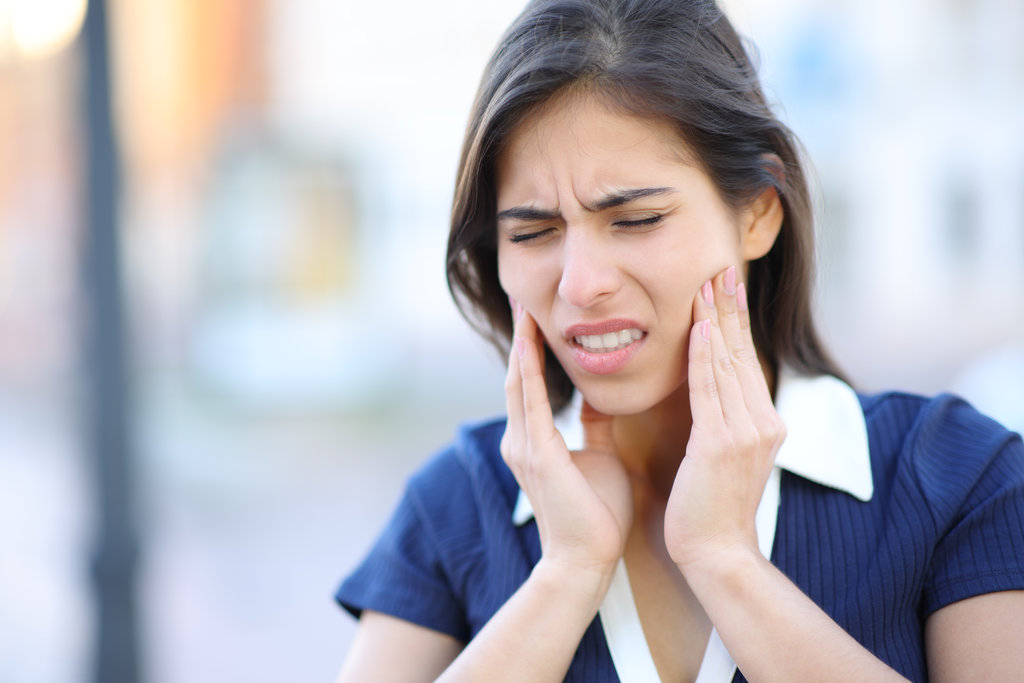
TMJ symptoms can disrupt your daily life with jaw pain, clicking sounds, and difficulty eating, leaving you wondering what treatment options might provide relief. The short answer is that several dental treatments can help, including custom night guards, a careful bite evaluation, repair of teeth worn down by grinding, and, for muscle-related pain, Botox therapy. Most people get the best results by starting with conservative, reversible care and adding more involved options only if symptoms persist.
Dr. Laura Sharbash at Newport Beach Dental Center offers comprehensive TMJ treatment designed to address both the symptoms and root causes of jaw joint dysfunction. From conservative approaches to advanced therapies, knowing your options helps you make informed decisions about managing TMJ symptoms and improving your quality of life.
How TMJ Disorders Connect to Your Teeth and Bite
Temporomandibular disorders, often shortened to TMD or simply called TMJ, affect the joints that connect your lower jaw to your skull and the muscles that move them. According to the National Institute of Dental and Craniofacial Research, TMD affects about 5 percent of adults in the United States and is roughly twice as common in women as in men. The joint works continuously throughout the day, making it susceptible to strain from teeth grinding, clenching, and jaw muscle tension.
Many TMJ symptoms have direct connections to dental health and bite function. Teeth grinding, also known as bruxism, places excessive stress on the jaw joint and surrounding muscles, and it often happens during sleep when you are not aware of it. A dental exam can reveal wear patterns, muscle tenderness, and joint sounds that point toward the source of the problem, which is why a dental office is often the first place people find relief.
Common Signs of a TMJ Problem
Symptoms vary from person to person, but these are the ones patients mention most often:
- Jaw pain or tenderness: Aching in the jaw, face, or around the ear, often worse after chewing or first thing in the morning.
- Clicking or popping: Sounds when opening or closing the mouth, sometimes with a grating sensation.
- Limited opening or locking: Trouble opening wide, or a jaw that briefly catches in one position.
- Headaches and ear discomfort: Tension headaches near the temples or a feeling of fullness in the ears.
- Worn or cracked teeth: Flattened biting surfaces that suggest nighttime grinding or clenching.
Clicking without pain is common and does not always need treatment, but pain, locking, or trouble eating are good reasons to schedule an evaluation.
Conservative Dental Treatments for TMJ
Several conservative dental treatments provide relief for TMJ symptoms without invasive procedures. These approaches focus on reducing strain on the jaw joint and protecting teeth from damage caused by grinding or clenching, and they are reversible, which means they do not permanently change your teeth or bite.
Custom Night Guards
Night guards are one of the most common treatments for TMJ symptoms related to teeth grinding or clenching. Custom-fitted night guards protect teeth from damage while reducing muscle tension in the jaw area.
Unlike over-the-counter options, custom night guards fit precisely to your teeth, which improves comfort and makes it easier to wear them every night. These appliances help maintain a relaxed jaw position during sleep and cushion the temporomandibular joint. Many patients notice improvement within a few weeks of consistent use, although results vary from person to person.
Bite Evaluation and Orthodontic Options
Sometimes TMJ symptoms occur alongside bite misalignment or dental issues that place uneven stress on the jaw joint. During an evaluation, we look at how your upper and lower teeth come together and whether any teeth are taking on more force than they should.
Permanent changes to the bite, such as reshaping tooth surfaces or moving teeth, are not a first-line TMJ treatment. The NIDCR notes that evidence for these bite-altering treatments in TMD is limited, so we reserve them for cases with a clear dental reason to correct the bite. When that is the case, clear aligner therapy may be recommended to address alignment problems while improving both function and appearance.
Advanced TMJ Treatment Options
For patients with persistent TMJ symptoms that do not respond to conservative treatments, additional therapeutic options can provide relief. These treatments target specific aspects of TMJ dysfunction and are chosen based on what your evaluation shows.
Botox Therapy for TMJ
Botox injection therapy offers another approach to treating muscle-related TMJ symptoms. This treatment works by relaxing overactive jaw muscles that contribute to pain and dysfunction.
Botox injections target specific muscle groups, including the masseter and temporalis muscles, reducing muscle spasms and associated tension. Many patients report less pain and improved jaw comfort, and when the treatment helps, relief typically lasts several months before a follow-up visit is considered.
This option can be useful for patients with significant muscle-related TMJ symptoms or those who have not found adequate relief through night guards and self-care. Botox is not FDA approved specifically for TMD, so we discuss it as one option among several after a thorough evaluation rather than as a starting point.
Restorative Dental Solutions
Grinding and clenching can wear, chip, or crack teeth over time. Restorative treatments repair that damage and help protect teeth from further breakdown.
Dental crowns may be necessary to restore proper tooth shape and function when teeth have been damaged by grinding or decay. When several teeth are involved, a broader restorative dentistry plan can rebuild worn teeth while supporting overall oral health. Because these treatments are permanent, we recommend them to repair damaged teeth rather than as a stand-alone cure for jaw pain.
Reversible vs. Irreversible TMJ Treatments at a Glance
Seeing the options side by side can make the treatment conversation easier. The table below summarizes each approach and when it is typically considered.
| Treatment | Type | Typically Considered For |
|---|---|---|
| Self-care (soft foods, heat or ice, gentle stretching) | Reversible | Mild or new symptoms, and as support for every other option |
| Custom night guard | Reversible | Nighttime grinding or clenching and morning jaw soreness |
| Botox therapy | Reversible, wears off over months | Persistent muscle-related pain after conservative care |
| Bite adjustment or orthodontics | Irreversible | A bite problem that needs correction for its own sake |
| Crowns or restorations | Irreversible | Teeth damaged by grinding, wear, or decay |
Starting at the top of this list and moving down only as needed keeps your treatment as conservative as possible.
Lifestyle and Supportive Therapies
Combining professional dental treatments with supportive therapies often provides the most comprehensive relief for TMJ symptoms. These approaches address several aspects of the condition at once.
Stress management techniques help reduce jaw muscle tension and grinding behaviors. Physical therapy exercises can improve jaw mobility and strengthen supporting muscles. Dietary modifications, including avoiding hard or chewy foods during flare-ups, give the joint a chance to calm down, and short-term use of over-the-counter pain relievers, taken as directed, can help during a flare.
Nighttime grinding sometimes shows up alongside sleep-disordered breathing. If you also snore loudly or wake up unrefreshed, mention it during your visit, since Dr. Sharbash also offers sleep apnea screening and oral appliance therapy in coordination with your physician. Professional dental treatments work best when combined with these supportive approaches, creating a well-rounded management strategy for TMJ dysfunction.
Choosing the Right TMJ Treatment
Selecting appropriate TMJ treatment depends on your specific symptoms, underlying causes, and lifestyle factors. A professional evaluation helps identify the approach most likely to help in your situation.
Dr. Sharbash conducts thorough examinations, including assessment of jaw joint function, muscle tension, and bite relationships. This evaluation helps determine whether conservative treatments are likely to be enough or whether additional therapies should be considered. If your symptoms suggest a problem inside the joint itself, we can coordinate with your physician or refer you for further evaluation.
Treatment plans typically begin with conservative approaches and progress to more advanced options only if needed. This graduated approach means you receive the least invasive treatment that works, while additional therapies remain available if symptoms persist.
TMJ Treatment at Newport Beach Dental Center
TMJ symptoms do not have to control your daily life when dental treatments can provide meaningful relief and improved function. An evaluation that addresses both symptoms and underlying causes offers the best path toward long-term comfort and jaw joint health.
Dr. Laura Sharbash’s credentials as a Fellow of the Academy of General Dentistry and her facial injectables certification give patients access to both conservative and advanced TMJ treatment options in one office. Her recognition as one of 10 “Dentists to Watch” by AGD Impact reflects her commitment to comprehensive dental care, including thoughtful approaches to TMJ management and patient comfort. Contact our Newport Beach office today to schedule your TMJ evaluation and find out which treatment options can best address your symptoms.
Frequently Asked Questions About Dental Treatments for TMJ
Can a dentist treat TMJ?
Yes, many TMJ symptoms are managed in a dental office, especially when grinding, clenching, or bite issues are involved. A dentist can provide a custom night guard, evaluate your bite, repair worn teeth, and in some offices offer Botox for muscle-related jaw pain. If an exam suggests a problem inside the joint itself, your dentist can coordinate with a physician for further evaluation.
Do TMJ symptoms go away on their own?
Often, yes. The National Institute of Dental and Craniofacial Research notes that many TMD cases are short-lived and improve without treatment. Self-care such as soft foods, heat or ice, and skipping gum chewing can help in the meantime. Jaw pain that lingers, keeps coming back, or makes it hard to eat is worth having evaluated.
Is a custom night guard better than a store-bought one for TMJ?
A custom night guard is made from impressions or scans of your teeth, so it fits precisely, stays in place, and tends to feel less bulky. Store-bought guards can work as a short-term option, but a poor fit may be uncomfortable and harder to wear consistently. Wearing a guard every night is what makes it effective, so comfort matters.
How long does Botox for TMJ last?
When Botox helps muscle-related jaw pain, the effect typically lasts several months before the muscles gradually return to their previous activity. Some patients choose follow-up treatments, while others find that a night guard and self-care are enough once symptoms calm down. Because Botox is not FDA approved specifically for TMD, it is considered after an evaluation rather than as a first step.
Will I need surgery for TMJ?
Most people with TMJ symptoms never need surgery. Conservative, reversible treatments such as self-care, night guards, and physical therapy help many patients. Surgery is generally considered only for specific joint problems that have not responded to simpler care, and getting a second opinion before any irreversible procedure is a reasonable step.
About the Author
Dr. Laura Sharbash, DDS, FAGD, D.ABDSM
General Dentist | Newport Beach Dental Center
Dr. Sharbash earned her DDS from the SUNY Buffalo School of Dental Medicine and brings more than 13 years of private practice experience to Newport Beach Dental Center. She is a Fellow of the Academy of General Dentistry, a Diplomate of the American Board of Dental Sleep Medicine, and is certified in facial injectables, which allows her to offer both night guard and Botox options for TMJ care.