Flexible Financing Available

Cosmetic dentistry made affordable with payment plans

Can Clear Aligners Fix My Specific Bite Issue?

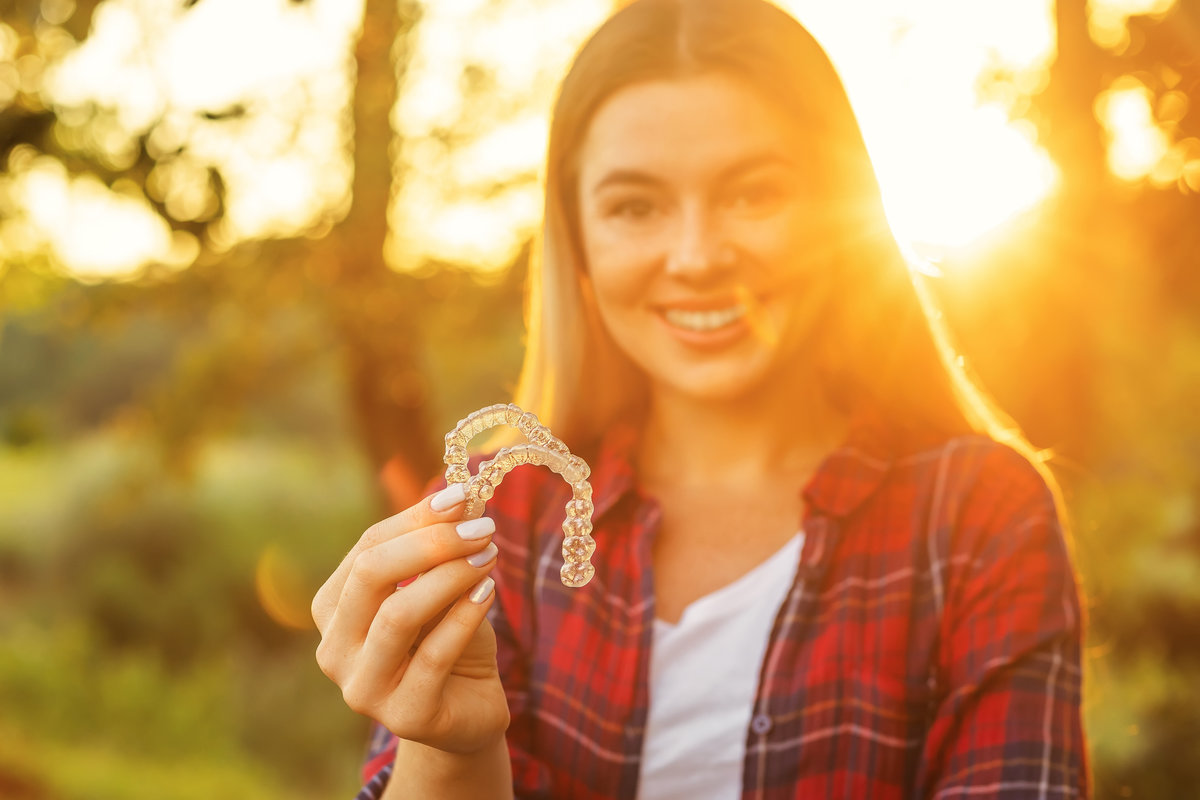
Woman with perfect smile after invisible dental aligners aligners treatment

If you’ve been scrolling through before-and-after photos of people with perfectly straight smiles, you might be wondering if those clear trays could work for your crooked canines, your overbite, or whatever dental quirk has been bothering you. The answer is probably yes, but it depends on what’s actually going on with your bite. Clear aligners have come a long way from just fixing minor crowding, and today they can address a surprising range of orthodontic issues.

At Newport Beach Dental Center, Dr. Laura Sharbash combines her Fellowship in the Academy of General Dentistry with cutting-edge clear aligner technology to help patients achieve healthier, more aligned smiles. She uses ProMonitoring, an FDA-cleared remote monitoring system that provides digital oversight at every aligner change, allowing her to track your progress and address any concerns before they become problems.

What Bite Issues Can Clear Aligners Correct?

Clear aligners work by applying gentle, controlled pressure to shift your teeth into better positions over time. This makes them effective for several types of bite problems. 

Overbite

An overbite occurs when your upper teeth extend too far over your lower teeth, which can lead to jaw pain and extra wear on your front teeth. Clear aligners can strategically move your teeth into proper alignment, reducing this overlap.

Underbite

Underbites happen when your lower teeth sit in front of your upper teeth, often causing difficulty chewing and speaking. While severe underbites may need additional treatment, mild to moderate cases respond well to aligner therapy. 

Crossbite

Crossbites develop when some of your upper teeth sit inside your lower teeth rather than outside, potentially causing uneven tooth wear and gum problems. Clear aligners can widen your arch and reposition these teeth.

Open Bite

Open bites create a gap between your upper and lower teeth when you close your mouth, making it hard to bite into foods. This condition often results from prolonged thumb-sucking or tongue thrusting. Clear aligners can help close this gap by moving your teeth vertically. 

Crowding

Crowding happens when your teeth overlap or twist because your jaw doesn’t have enough room, while spacing issues leave noticeable gaps between teeth. Both respond excellently to clear aligner treatment.

How Severity Affects Your Treatment Options

Not every bite problem is the same, and the extent of your misalignment plays a major role in determining whether clear aligners are right for you.

  • Minor bite issues: Your teeth are only slightly out of position, and you typically achieve excellent results with aligner therapy alone. These cases take anywhere from six months to a year to complete.
  • Moderate bite problems: These require more complex tooth movements but still fall within the capabilities of modern clear aligners. Your treatment might last 12 to 18 months, and your dentist will closely monitor your progress to make any necessary adjustments.ย 
  • Severe bite issues: These involve significant jaw misalignment and may need a combined approach. In severe cases, you might benefit from orthodontic treatment that incorporates other techniques alongside aligners, or in rare instances, surgical intervention before starting aligner therapy.

The good news is that advancements in clear aligner technology have expanded what’s possible without metal brackets and wires. Attachments, small tooth-colored bumps bonded to certain teeth, give aligners a better grip and control for more challenging movements. Elastics, small rubber bands worn with your aligners, can help correct bite relationships between your upper and lower jaws. 

According to the American Association of Orthodontists, approximately one in three orthodontic patients today is an adult, showing that it’s never too late to address bite issues and achieve a healthier smile.

The ProMonitoring Difference

Traditional orthodontic treatment requires frequent office visits to check your progress, but ProMonitoring changes this dynamic entirely. This AI-driven platform allows for digital oversight at every aligner change, reducing the need for in-office checks while improving treatment outcomes. You simply use your smartphone to take photos of your teeth as you switch to each new aligner, and the system analyzes your progress.

This technology benefits you in several ways. Early problem detection means your dentist can identify and correct issues before they require major adjustments, potentially preventing the need for refinement trays. You’ll make fewer trips to the office, saving time while still receiving attentive care. The messaging and notification features keep you engaged in your treatment, and studies show this leads to better compliance and faster results.

Getting Straighter Teeth With Newport Beach Dental Center

Whether you’re dealing with crowding, spacing, or bite misalignment, clear aligners with ProMonitoring technology may help you achieve the smile you’ve always wanted. Dr. Sharbash brings a holistic and minimally invasive approach to orthodontic care, combining her Diplomate status with the American Board of Dental Sleep Medicine and her Fellowship in the Academy of General Dentistry. She’s also an official spokesperson for the AGD and serves on the Southern California AGD board, bringing expertise from her roles in dental education and leadership.

During your consultation, Dr. Sharbash will evaluate your bite, take digital scans of your teeth, and discuss whether clear aligners can achieve your goals. Schedule your appointment to learn how clear aligners with ProMonitoring technology can transform your smile.

The Truth About Dental Insurance: What Your Plan Isn’t Telling You

Doctor with a patient at the reception of the dental clinic.

Here’s something most people discover too late: dental insurance isn’t insurance at all. It’s more like a coupon book with an expiration date, and the fine print reads like a mystery novel written by someone who really doesn’t want you to solve it. While health insurance kicks in when things get serious, dental insurance often caps out right when you need it most, leaving patients scratching their heads and their wallets considerably lighter.

At Newport Beach Dental Center, we’ve spent years helping patients navigate the confusing world of dental insurance. Dr. Sharbash believes in transparent conversations about coverage, limitations, and realistic expectations so you can make informed decisions about your oral health. Understanding what your plan actually covers is the first step toward taking control of your dental care.

The Annual Maximum Myth

Most dental plans come with an annual maximum benefit, typically between $1,000 and $2,000. Sounds reasonable until you realize a single crown can cost between $800 and $1,500. Need two crowns? You’ve already hit your limit for the year. Meanwhile, your premiums never stop, and unused benefits vanish faster than a New Year’s resolution.

Insurance companies bank on you not using your full benefits. They’ve calculated the odds, and they’re betting you’ll skip that second cleaning or postpone necessary treatment. It’s a system designed more around corporate profit margins than your oral health.

The Waiting Period

Sign up for a new plan, and you might discover you can’t actually use it for anything beyond basic cleanings for six months to a year. Need a root canal? That’s going to require a 12-month waiting period. Broken tooth? The insurance company suggests you wait it out. These waiting periods protect the insurer’s bottom line while leaving you to manage pain and potential complications on your own dime.

The logic seems backward. You pay premiums immediately, but coverage for anything beyond routine care requires patience that dental problems rarely afford. Bacteria don’t wait, decay doesn’t pause, and infections certainly don’t respect your policy’s timeline.

In-Network Doesn’t Mean Better Care

Insurance companies create provider networks to control costs, not to ensure quality. That in-network dentist might be there because they agreed to significant fee reductions, not because they offer superior care. Some of the best practices operate outside these networks because they refuse to compromise on materials, technology, or time spent with each patient.

At Newport Beach Dental Center, weโ€™ve decided to focus on out-of-network care. This means we can spend adequate time with each patient, use premium materials, and recommend treatments based solely on your needs rather than what an insurance company deems “reasonable and customary.” We still file insurance claims on your behalf, but arbitrary restrictions on the quality of care do not bind us.

The “Usual and Customary” Game

Insurance companies love this phrase. It means they’ll pay what they consider reasonable for your area, which often bears little resemblance to actual costs. For example, your dentist charges $1,500 for a procedure. The insurance might decide $900 is “customary” and leave you with the difference, even though you’ve been paying premiums all year.

These determinations are made behind closed doors, using data that nobody can verify. Even when insurance companies know that preventive care helps stop more serious conditions before they have the chance to wreak havoc on your health, they often classify necessary preventive treatments as cosmetic or elective to avoid payment.

What You Can Do Instead

Understanding your policy is the first step. Read the fine print. Know your annual maximum, your deductible, and which procedures require pre-authorization. Don’t assume coverage; verify it before treatment begins.

Consider whether your plan actually saves you money. If you’re paying $50 per month in premiums, that’s $600 per year. If your plan covers two cleanings and an annual exam totaling $400, you’re already paying more than you’re receiving. Some patients find better value in membership plans or simply paying directly for general dentistry services.

Ask your dentist about alternative treatment timelines. Sometimes procedures can be strategically scheduled across different benefit years to maximize coverage. A good dental team will work with you to optimize your benefits while prioritizing your oral health.

Experience Transparent Dental Care at Newport Beach Dental Center

At Newport Beach Dental Center, we believe in patient-centered care without the insurance runaround. Dr. Sharbash brings over a decade of experience in comprehensive dental care, focusing on what’s best for your long-term health rather than what’s easiest for insurance processing. We’ll help you understand your benefits, file claims on your behalf, and work within your budget to achieve optimal oral health.

Ready to experience dentistry that prioritizes your smile over profit margins? Contact our office today to learn about our approach to accessible, high-quality dental care. We’ll explain your options clearly, answer all your questions, and develop a treatment plan designed around your needs.

ProMonitoring Technology: The Future of Clear Aligner Treatment

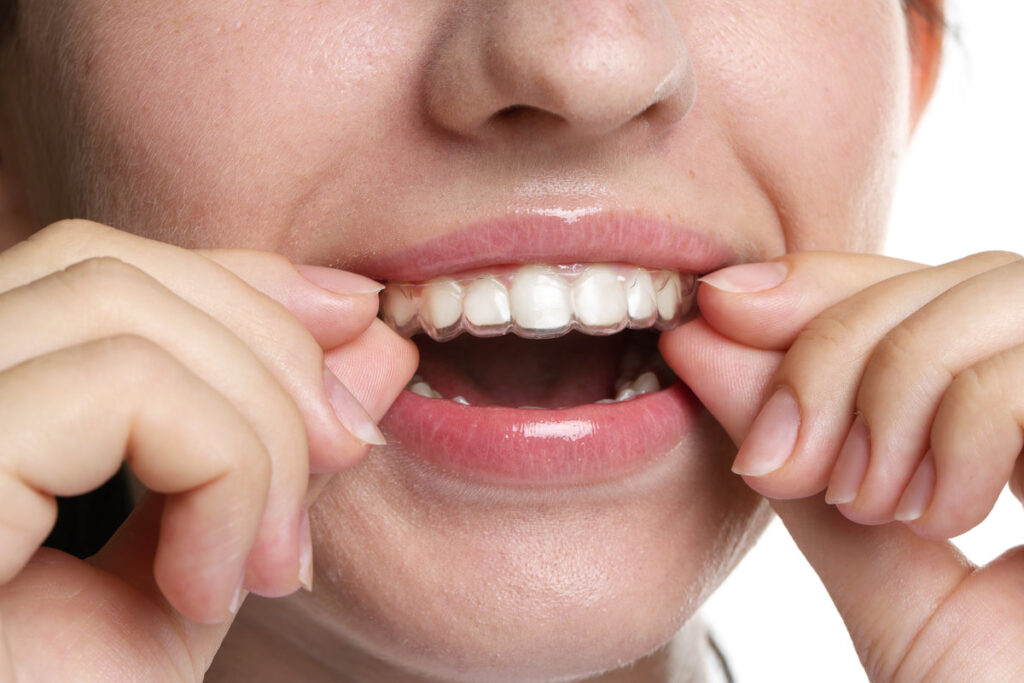
Woman wearing dental aligner on white background, closeup

You’re finally ready to straighten your smile, but the thought of monthly office visits and surprise refinements makes you hesitate. What if technology could turn your orthodontic journey into something more predictable, convenient, and precise? That’s exactly what ProMonitoring is doing for clear aligner treatment.

ProMonitoring is a breakthrough in how dentists monitor and guide your aligner therapy. This FDA-cleared, AI-driven platform uses digital oversight at every aligner change, allowing your dentist to track your progress remotely and address potential issues before they become problems. The result is fewer office visits, more personalized care, and treatment outcomes you can count on.

How ProMonitoring Clear Aligners Works

Traditional aligner treatment relies on scheduled in-office checkups every few weeks. Miss an appointment or develop tracking issues between visits, and you might face unexpected refinements or delays. ProMonitoring flips this model on its head by bringing your dentist’s oversight directly to your smartphone.

The system works through a simple app-based process. Each time you change to a new aligner, you take photos using your phone. ProMonitoring’s AI analyzes these images and flags any concerns, such as poor tracking or fit issues. Your dentist reviews the data digitally and can intervene immediately if needed. Rather than waiting weeks to discover a problem, you get real-time feedback that keeps your treatment on course.

This technology doesn’t replace your dentist. It amplifies their ability to care for you by providing continuous monitoring between visits. Think of it as having a dental professional checking in on your progress weekly instead of monthly.

The Benefits of Remote Monitoring

The convenience factor alone makes ProMonitoring appealing. Frequent digital check-ins reduce the need for routine in-office aligner checks, freeing up your schedule for work, family, and the activities you actually enjoy. You still visit the practice for important milestones, but those tedious “quick check” appointments largely disappear.

Beyond convenience, remote monitoring catches problems early. If your aligners aren’t tracking properly, the system alerts your dentist right away. This early detection may prevent the need for refinements or additional aligners, keeping your treatment timeline predictable. Research published in the National Center for Biotechnology Information shows that clear aligner therapy achieves success rates between 80% and 90% for mild to moderate tooth movements when patients wear their aligners as prescribed.

Patient engagement improves, as well. The ProMonitoring app includes messaging features that keep you connected to your dental team. Have a question about wear time or discomfort? Send a message through the app instead of waiting for your next appointment. This direct line of communication helps you stay motivated and informed throughout your treatment.

What Makes ProMonitoring Different

Many clear aligner companies offer some form of digital monitoring, but ProMonitoring distinguishes itself through clinical oversight. While some systems rely purely on automated AI feedback, ProMonitoring ensures your dentist reviews every update. The technology supports the doctor rather than replacing their judgment.

The platform also integrates seamlessly with general dentistry workflows. Your dentist can coordinate aligner treatment with other procedures, from routine cleanings to cosmetic enhancements, while continuously monitoring your orthodontic progress.

This integration matters because straight teeth are just one piece of oral health. ProMonitoring’s comprehensive approach allows your dentist to consider how tooth movement affects your bite, jaw function, and overall dental health. You get orthodontic care that fits into your complete treatment plan rather than existing in isolation.

Who Benefits Most from ProMonitoring

Busy professionals appreciate ProMonitoring’s flexibility. If your work schedule makes regular office visits challenging, remote monitoring keeps your treatment progressing without constant disruptions. The same goes for parents juggling multiple responsibilities or anyone who values their time.

People with anxiety about dental visits find comfort in fewer required appointments. You still receive thorough care, but the bulk of monitoring happens from home. This reduced need for in-office checks can make the entire experience less stressful.

Those living outside Newport Beach but seeking quality aligner treatment may also benefit. While some visits remain necessary, remote monitoring reduces the frequency of travel. You can work with a skilled dentist like Dr. Laura Sharbash without having to organize your life around frequent appointments.

Experience ProMonitoring Technology at Newport Beach Dental Center

At Newport Beach Dental Center, Dr. Sharbash incorporates ProMonitoring into her approach to clear aligner therapy. As a Fellow of the Academy of General Dentistry and Diplomate of the American Board of Dental Sleep Medicine, she brings both advanced training and a commitment to innovation to every case. Her philosophy centers on personalized care supported by the latest dental technology.

Ready to explore how ProMonitoring could transform your aligner experience? Contact our practice to schedule a consultation. We’ll evaluate your smile, discuss your goals, and determine if ProMonitoring clear aligners are right for you. Your journey toward a confident, aligned smile may be more convenient than you ever imagined.

5 Simple Steps for Better Sleep Hygiene and How Your Dentist Can Help

Young woman lies in bed going to sleep, turning night-stand light lamp off

Your bedroom may look perfect for sleep, but if you’re still tossing and turning at night, the problem might not be your mattress or blackout curtains. Poor sleep hygiene affects millions of Americans, leading to daytime fatigue, compromised immune systems, and even serious health conditions like obstructive sleep apnea. While you may not realize it, your dentist can play an essential role in helping you achieve the restorative sleep your body needs.

At Newport Beach Dental Center, we understand the vital connection between oral health and quality sleep. Dr. Laura Sharbash combines her background in general dentistry with advanced training in dental sleep medicine to help patients get better sleep through comprehensive care. By addressing both sleep hygiene habits and potential dental factors affecting your rest, we can help you wake up feeling refreshed and ready to tackle your day.

1. Create a Consistent Sleep Schedule That Your Body Can Trust

Your internal clock thrives on predictability, so maintaining regular sleep cycles helps regulate your circadian rhythm. Try to go to bed and wake up around the same time every day, even on weekends. This consistency helps your body naturally prepare for sleep by releasing melatonin at the correct times.

When you establish a routine, your body begins to expect sleep, making it easier to doze off and wake up naturally. Start by finding a bedtime that allows for seven to nine hours of sleep, then stick to it for at least two weeks to help your body adjust.

2. Design a Relaxing Pre-Sleep Routine

Your evening routine should signal to your body that it’s time to wind down. Consider activities like gentle stretching, reading, or taking a warm bath. Limit stimulating activities, such as intense exercise, work discussions, or exciting television shows, for at least two hours before bed.

If you grind your teeth at night, incorporating jaw relaxation exercises into your bedtime routine can help reduce tension. Gentle jaw massage and stress-reduction techniques can complement professional treatments, such as nightguards, which protect your teeth while you sleep.

3. Optimize Your Sleep Environment for Maximum Comfort

Your bedroom should be cool, dark, and quiet. Room temperatures between 65ยฐF and 68ยฐF typically promote better sleep quality. Consider blackout curtains, eye masks, or white noise machines if your environment has unavoidable light or sound disruptions.

Pay attention to the quality of your pillow and mattress, as proper spinal alignment can help prevent discomfort that disrupts sleep. If you are prone to snoring or have been told you stop breathing during sleep, your sleeping position or oral health may be affecting your airway, making it worthwhile to discuss these concerns with a dental professional trained in sleep medicine.

4. Watch Your Evening Food and Drink Intake

What you consume in the hours leading up to bedtime significantly impacts your sleep quality. Avoid caffeine, large meals, and alcohol close to lights out, as these can hinder your ability to fall asleep or stay asleep continuously throughout the night.

Consider these guidelines for better sleep:

  • Stop eating large meals at least three hours before bedtime
  • Stop drinking caffeine after 2 PM, as it can stay in your system for up to eight hours
  • Avoid alcohol as a sleep aid, since it disrupts sleep cycles and can worsen snoring
  • Choose light snacks if you’re hungry before bed, focusing on foods with tryptophan or magnesium

These dietary adjustments can reduce nighttime awakenings and improve overall sleep quality.

5. Address Potential Sleep-Related Breathing Issues

Many individuals are unaware that their dentist can help identify signs of obstructive sleep apnea, a serious condition in which breathing recurrently stops during sleep. According to the American Academy of Sleep Medicine, around 26 percent of adults between the ages of 30 and 70 have this condition. Symptoms include loud snoring, morning headaches, dry mouth upon waking, and daytime fatigue despite spending adequate time in bed.

During routine dental exams, we can spot signs like worn teeth from grinding, a large tongue, or anatomical features that may contribute to airway obstruction. Early recognition of these issues can lead to sleep apnea treatment options that dramatically improve both sleep quality and overall health.

Better Sleep Starts With Newport Beach Dental Center

Quality sleep affects every facet of your health, from your immune system to your mood and cognitive function. While good sleep hygiene habits form the foundation of restorative rest, sometimes you need professional help to address underlying issues that prevent quality sleep. Dr. Sharbash’s advanced training as a Fellow of the Academy of General Dentistry and Diplomate of the American Board of Dental Sleep Medicine positions her uniquely to help patients achieve better sleep through comprehensive dental care.

Our approach combines proven sleep hygiene education with advanced dental treatments for sleep-related breathing disorders. With the practice’s established tradition of excellence since 1985, we’re committed to helping you achieve the restful sleep you deserve. Don’t let another restless night affect your well-being; call us at (949) 760-9212 or contact us today to learn how we can help improve your sleep quality.

How Does Your Dentist Diagnose Sleep Apnea?

Man snoring while sleeping in bed at home

This might come as a surprise, but your dentist is often the first medical professional to spot signs of obstructive sleep apnea (OSA) during your regular checkup. While you’re focused on cavity prevention and keeping your smile bright, your dentist is actually examining clues that could reveal whether you’re getting quality sleep at night. The mouth and throat hold hidden secrets about your sleep patterns, and dentists are uniquely positioned to identify the telltale signs that something more serious than snoring might be happening.

At Newport Beach Dental Center, our team looks beyond just your teeth and gums. We examine the bigger picture of your oral health and how it applies to your overall well-being. Dr. Laura Sharbash, a Diplomate of the American Board of Dental Sleep Medicine, brings advanced training in sleep disorders to every patient evaluation, combining routine dental care with comprehensive sleep health screening.

Signs of OSA in Your Mouth

According to the American Medical Association, about 30 million people in the United States have sleep apnea, but only 6 million are diagnosed with the condition. During your dental examination, several oral indicators can suggest OSA. Your dentist will look for signs like teeth grinding marks, also called bruxism, which often occurs when your body struggles to maintain proper airflow during sleep. Worn tooth surfaces, especially on the back teeth, can indicate nighttime grinding that patients often do not recall happening.

The size and position of your tongue also provide valuable diagnostic information. A large tongue or one that sits low in your mouth can contribute to airway blockage during sleep. Your dentist will analyze the size of your tongue relative to your mouth and note any scalloped edges along the sides, which suggest that the tongue is pressing against your teeth due to restricted space.

Beyond the Obvious Signs

During routine cleanings, your dentist examines your throat and soft palate for signs of inflammation or enlargement that could narrow your breathing passages. A red, inflamed throat might indicate snoring, while an elongated soft palate or enlarged tonsils can contribute to airway obstruction during sleep.

The positioning of your jaw also plays a crucial role in airway health. A receding lower jaw or narrow upper jaw can create less space for your tongue and airway structures. Your dentist will review your bite and jaw alignment, noting how these factors might impact your breathing during sleep.

Dry mouth symptoms often accompany OSA because mouth breathing becomes necessary when nasal passages or throat structures block normal airflow. Your dentist will ask about morning dry mouth, frequent nighttime urination, or waking up with a sore throat, as these symptoms can indicate disrupted sleep patterns.

The Diagnostic Process

If your dentist suspects OSA, they may recommend a sleep study to confirm the diagnosis. However, they can also use screening questionnaires and take detailed medical histories to assess your risk factors. Questions about your sleep quality, partner observations of snoring or breathing interruptions, and daytime fatigue levels help paint a complete picture.

We sometimes use three-dimensional imaging to evaluate airway dimensions and identify anatomical factors contributing to breathing difficulties. This technology allows dentists to see the relationship between jaw position, tongue placement, and available airway space more clearly than traditional examination methods alone.

Your dentist might photograph your throat or use measuring tools to document the size of airway structures. These baseline measurements help track changes over time and provide valuable information to sleep medicine physicians if a referral becomes necessary.

Treatment Options

Once OSA is diagnosed, your dentist becomes an integral part of your treatment team. Many patients benefit from oral appliance therapy, which uses custom-fitted devices worn during sleep to maintain proper jaw positioning and keep airways open.

At Newport Beach Dental Center, we work closely with sleep medicine physicians to ensure comprehensive care. We also coordinate with other healthcare providers to address related issues like high blood pressure or cardiovascular concerns that often accompany untreated OSA. This integrative approach ensures that you receive the most effective treatment plan for your specific situation.

Newport Beach Dental Center’s Comprehensive Sleep Health Approach

Dr. Laura Sharbash combines her Fellowship in the Academy of General Dentistry with advanced training as a Diplomate of the American Board of Dental Sleep Medicine to provide thorough sleep health evaluations. Her dual perspective as both a general dentist and a qualified sleep dentist means she can identify potential issues during routine care and provide effective treatment solutions. Dr. Sharbash’s recognition as one of the “10 Dentists to Watch” by AGD Impact reflects her commitment to staying current with the latest diagnostic and treatment techniques.

Our practice takes a personalized approach to each patient’s sleep health concerns, combining careful examination with state-of-the-art diagnostic tools to create the most accurate assessment possible. We understand that quality sleep affects every aspect of your health, from your immune system to your mental well-being, and we’re committed to helping you achieve the restful nights you deserve. To schedule your comprehensive evaluation, call us at (949) 760-9212 or contact our office to learn more about our sleep health services.

Oral Appliance Therapy vs. CPAP: Which Sleep Apnea Treatment Is Right for You?

Young African American man stretching after wake up

Picture this: you wake up feeling like you wrestled with an octopus all night, and your partner gently mentions you sounded like a freight train. If obstructive sleep apnea (OSA) has been disrupting your sleep, you’re likely wondering whether oral appliance therapy or CPAP therapy offers the better path to a peaceful night’s rest. While both treatments can be highly effective for managing OSA, the right choice depends on your specific needs, lifestyle, and severity of the condition.

When it comes to treating obstructive sleep apnea, we understand the importance of finding a solution that fits seamlessly into your life. Dr. Laura Sharbash, a Diplomate of the American Board of Dental Sleep Medicine, brings advanced training in sleep medicine to help patients navigate these treatment options and find the method that works best for their unique situation.

Understanding Your Treatment Options

CPAP (Continuous Positive Airway Pressure) therapy has long been considered the primary method for treating moderate to severe OSA. This treatment uses a machine that delivers pressurized air through a mask, keeping your airway open throughout the night. The constant airflow prevents the throat tissues from collapsing and blocking your breathing.

Oral appliance therapy, on the other hand, takes a different approach. These custom-designed devices work by repositioning your jaw and tongue to maintain an open airway. Think of it as a retainer with a very important job: keeping your breathing passages clear while you sleep.

CPAP Pros and Cons

CPAP therapy offers several compelling advantages. It’s highly effective for severe OSA cases and can provide immediate relief from symptoms. Many patients experience dramatic improvements in energy levels, concentration, and overall quality of life within just a few nights of consistent use.

However, CPAP therapy isn’t without its challenges. Studies show that CPAP adherence ranges from 30 to 60%. The machine requires electricity and regular maintenance, making travel more complicated. Some patients experience discomfort, skin irritation, or claustrophobia while wearing a mask. The noise from the machine, though much quieter than older models, can still disturb light sleepers or their partners.

Oral Appliance Therapy: A Comfortable Alternative

Oral appliance therapy offers a more streamlined approach to OSA treatment. These devices are small, portable, and completely silent. You can comfortably pack them for travel without worrying about power sources or TSA regulations.

The comfort factor often makes oral appliances more appealing for long-term use. Unlike CPAP masks, which some patients find intrusive, oral appliances feel similar to wearing a mouthguard for sports. Most people adjust to sleeping with them within a few nights.

Patient compliance tends to be higher with oral appliances because they’re less disruptive to daily routines. There’s no machine to clean, no filters to replace, and no risk of power outages affecting your treatment.

Making the Right Choice for You

The decision between CPAP and oral appliance therapy depends on several factors. The severity of your OSA plays a crucial role in determining your treatment options. CPAP therapy remains the first-line treatment for severe cases, while oral appliances are effective for mild to moderate OSA.

Your sleep position preferences matter too. If you’re a side sleeper who struggles with CPAP mask positioning, an oral appliance might feel more natural. Active travelers often prefer the convenience of oral appliances, while those who sleep in the same location every night may not mind the setup requirements of CPAP.

Some patients benefit from combination approaches or may need to try different solutions over time. What matters most is finding a treatment you’ll use consistently, because the most effective therapy is the one you actually stick with night after night.

Getting Started With Sleep Apnea Treatment at Newport Beach Dental Center

Dr. Laura Sharbash brings unique qualifications as both a Fellow of the Academy of General Dentistry (FAGD) and a Diplomate of the American Board of Dental Sleep Medicine (D.ABDSM) to help you navigate your OSA treatment options. Her comprehensive approach considers not only your sleep apnea symptoms but also how treatment fits into your overall health and lifestyle goals.

During your consultation, Dr. Sharbash will review your sleep study results, consider your symptoms and concerns, and help determine whether oral appliance therapy might be right for you. She works closely with sleep physicians to ensure coordinated care and optimal treatment outcomes. Ready to discuss your options for better sleep and improved health? Contact Newport Beach Dental Center at (949) 760-9212 or request an appointment to learn how we can help you achieve the restful sleep you deserve.

Guide to Crown Lengthening Procedures: What Can You Expect?

Smiling dentist communicating with African American woman while checking her teeth during dental procedure at dentist's office.

When your dentist mentions crown lengthening, you might wonder what this procedure involves and whether it’s right for your situation. Crown lengthening addresses various dental concerns, from preparing teeth for restorative work to improving the appearance of your smile when gums cover too much of your teeth.

Dr. Laura Sharbash at Newport Beach Dental Center provides comprehensive crown lengthening procedures to help patients achieve optimal oral health and aesthetics. Whether you need this treatment for functional or cosmetic reasons, understanding the process helps you feel confident about your upcoming procedure and recovery.

What Is Crown Lengthening?

Crown lengthening is a periodontal procedure that removes excess gum tissue and sometimes bone to expose more of your tooth’s surface. This treatment creates the proper foundation for dental crowns when insufficient tooth structure remains above the gumline or improves smile aesthetics when gums appear disproportionate to teeth.

The procedure serves both functional and cosmetic purposes in modern dentistry. Functional crown lengthening prepares teeth for restorative work by ensuring adequate tooth structure for proper crown retention. Cosmetic crown lengthening addresses “gummy smiles” where excessive gum tissue makes teeth appear short or uneven.

According to the American Dental Association, crowns can strengthen teeth with large cavities when there isn’t enough healthy tooth structure to hold a filling. Crown lengthening often becomes necessary before crown placement to ensure the long-term success of these restorations.

When Is Crown Lengthening Necessary?

Several situations may require crown lengthening to achieve optimal dental health and function. Understanding these scenarios helps patients recognize when this procedure becomes beneficial for their treatment plan.

Crown lengthening becomes essential when teeth require dental crowns but lack sufficient tooth structure above the gumline. Decay extending below the gumline or fractured teeth often need crown lengthening before restoration can proceed successfully. The procedure ensures adequate space between the crown margin and supporting bone structure, preventing complications and promoting healthy gum tissue around the restoration.

Cosmetic crown lengthening addresses aesthetic concerns when gums cover excessive amounts of tooth surfaces, creating an unbalanced smile appearance. The procedure creates better tooth-to-gum proportions, revealing more of the natural tooth structure and improving overall smile harmony.

The Crown Lengthening Process

Understanding each step of crown lengthening helps patients prepare for their procedure and know what to expect throughout their treatment journey. The process involves careful planning, precise execution, and dedicated follow-up care.

Your consultation includes a comprehensive examination of your teeth, gums, and bone structure to determine the best approach for your situation. Dr. Sharbash discusses your treatment goals, timeline, and any concerns you may have about the procedure.

Crown lengthening typically involves local anesthesia to ensure your comfort throughout the treatment. The procedure carefully removes excess gum tissue and, when necessary, small amounts of bone to achieve the desired tooth exposure and contours. Modern techniques minimize discomfort and promote faster healing while achieving precise results.

Initial healing typically occurs within one to two weeks, during which you may experience mild swelling and discomfort that is manageable with prescribed medications. Complete tissue maturation takes several months, after which any planned restorative work can proceed.

Benefits and Recovery Expectations

Recovery from crown lengthening involves managing any discomfort and protecting the surgical site from irritation during the first few days. Most patients return to normal activities within a few days, though strenuous exercise should be avoided initially.

Professional crown lengthening provides numerous advantages for both oral health and aesthetic outcomes. Functional benefits include improved success rates for dental crowns and other restorations by ensuring adequate tooth structure. Aesthetic improvements often exceed patients’ expectations, creating more balanced and attractive smile proportions.

Long-term oral health benefits include easier maintenance of restored teeth and reduced risk of future complications. Properly contoured gums promote better oral hygiene and help prevent recurring dental problems in treated areas.

Crown Lengthening at Newport Beach Dental Center

Crown lengthening can significantly improve both the function and appearance of your teeth when performed by an experienced dental team. Whether you need this procedure for restorative preparation or cosmetic enhancement, professional treatment ensures optimal results and comfortable recovery. Dr. Laura Sharbash’s extensive training as a Fellow of the Academy of General Dentistry and her commitment to advanced periodontal techniques provide patients with comprehensive crown lengthening solutions. Her recognition as one of 10 “Dentists to Watch” by AGD Impact reflects her dedication to excellence in all aspects of dental care, including sophisticated periodontal procedures. Contact our Newport Beach office today to schedule your crown lengthening consultation and discover how this treatment can enhance your oral health and smile confidence, or call (949) 760-9212.

What Dental Treatments Can Help TMJ Symptoms?

Woman suffering tmj complaining in the street

TMJ symptoms can disrupt your daily life with jaw pain, clicking sounds, and difficulty eating, leaving you wondering what treatment options might provide relief. Many patients don’t realize that several effective dental treatments can address the underlying causes of temporomandibular joint dysfunction and significantly reduce their discomfort.

Dr. Laura Sharbash at Newport Beach Dental Center offers comprehensive TMJ treatment options designed to address both the symptoms and root causes of jaw joint dysfunction. From conservative approaches to advanced therapies, understanding your treatment options helps you make informed decisions about managing TMJ symptoms and improving your quality of life.

Understanding TMJ and Its Dental Connection

TMJ disorder affects the complex joint connecting your jawbone to your skull, impacting millions of Americans with symptoms ranging from mild discomfort to severe pain. The temporomandibular joint works continuously throughout the day, making it susceptible to problems from teeth grinding, bite misalignment, and jaw muscle tension.

Many TMJ symptoms have direct connections to dental health and bite function. Teeth grinding, also known as bruxism, places excessive stress on the jaw joint and surrounding muscles.

Understanding this connection helps explain why dental treatments often provide effective relief for TMJ symptoms. Professional dental intervention addresses both the immediate symptoms and underlying factors contributing to jaw joint dysfunction.

Conservative Dental Treatments for TMJ

Several conservative dental treatments provide effective relief for TMJ symptoms without invasive procedures. These approaches focus on reducing strain on the jaw joint and protecting teeth from damage caused by grinding or clenching.

Custom Night Guards

Night guards represent one of the most common and effective treatments for TMJ symptoms related to teeth grinding or clenching. Custom-fitted night guards protect teeth from damage while reducing muscle tension in the jaw area.

Unlike over-the-counter options, custom night guards fit precisely to your teeth, providing optimal comfort and effectiveness. These appliances help maintain proper jaw alignment during sleep and provide cushioning for the temporomandibular joint, often resulting in significant symptom improvement within weeks of consistent use.

Bite Adjustment and Orthodontic Solutions

Sometimes TMJ symptoms stem from bite misalignment or dental issues, placing uneven stress on the jaw joint. Selective bite adjustment involves carefully reshaping tooth surfaces to improve how upper and lower teeth come together, reducing strain on the temporomandibular joint.

Clear aligner therapy may be recommended when significant bite issues contribute to TMJ dysfunction. Orthodontic treatment can address underlying alignment problems while improving both function and aesthetics.

Advanced TMJ Treatment Options

For patients with persistent TMJ symptoms not responding to conservative treatments, advanced therapeutic options provide additional relief possibilities. These treatments target specific aspects of TMJ dysfunction with precision and effectiveness.

Botox Therapy for TMJ

Botox injection therapy offers an innovative approach to treating muscle-related TMJ symptoms. This advanced treatment works by relaxing overactive jaw muscles responsible for pain and dysfunction.

Botox injections target specific muscle groups, including the masseter and temporalis muscles, reducing muscle spasms and associated tension. Patients typically experience decreased pain and inflammation along with improved jaw function and range of motion. Results become apparent within days and can provide relief lasting several months.

This treatment proves particularly beneficial for patients with severe muscle-related TMJ symptoms or those who haven’t found adequate relief through traditional approaches. The precise nature of Botox therapy allows for targeted treatment of problem areas while preserving normal jaw function.

Restorative Dental Solutions

Damaged or worn teeth can contribute to TMJ problems by altering bite patterns and jaw positioning. Restorative treatments address these underlying dental issues while improving jaw joint function.

Dental crowns may be necessary to restore proper bite height and function when teeth have been damaged by grinding or decay. Comprehensive smile restoration can address multiple factors contributing to TMJ dysfunction while improving overall oral health.

Lifestyle and Supportive Therapies

Combining professional dental treatments with supportive therapies often provides the most comprehensive relief for TMJ symptoms. These approaches address multiple aspects of the condition for optimal outcomes.

Stress management techniques help reduce jaw muscle tension and grinding behaviors. Physical therapy exercises can improve jaw mobility and strengthen supporting muscles. Dietary modifications, including avoiding hard or chewy foods during acute symptoms, support healing and prevent symptom aggravation.

Professional dental treatments work most effectively when combined with these supportive approaches, creating a comprehensive management strategy for TMJ dysfunction.

Choosing the Right TMJ Treatment

Selecting appropriate TMJ treatment depends on your specific symptoms, underlying causes, and lifestyle factors. Professional evaluation helps identify the most effective treatment approach for your situation.

Dr. Sharbash conducts thorough examinations, including assessment of jaw joint function, muscle tension, and bite relationships. Advanced diagnostic techniques help determine whether conservative treatments will be sufficient or if more advanced therapies may be necessary.

Treatment plans often begin with conservative approaches and progress to more advanced options if needed. This graduated approach ensures patients receive the least invasive treatment necessary while maintaining the option for additional therapies if symptoms persist.

TMJ Treatment at Newport Beach Dental Center

TMJ symptoms don’t have to control your daily life when effective dental treatments can provide significant relief and improved function. Professional evaluation and treatment addressing both symptoms and underlying causes offer the best path toward long-term comfort and jaw joint health.

Dr. Laura Sharbash’s extensive credentials as a Fellow of the Academy of General Dentistry and her facial injectable certification provide patients with access to both conservative and advanced TMJ treatment options. Her recognition as one of 10 “Dentists to Watch” by AGD Impact reflects her commitment to comprehensive dental care, including sophisticated approaches to TMJ management and patient comfort. Contact our Newport Beach office today to schedule your TMJ evaluation and discover which treatment options can best address your symptoms, or call (949) 760-9212.

What Are Dry Mouth Causes and Solutions?

Woman drinking water

Imagine trying to enjoy your morning toast only to find your mouth feels like you’ve been wandering through the desert for days, or attempting to give an important presentation while your tongue seems glued to the roof of your mouth. Dry mouth, medically known as xerostomia, transforms everyday activities into frustrating challenges when your salivary glands decide to take an unscheduled vacation from producing the moisture your mouth desperately needs.

At Newport Beach Dental Center, Dr. Laura Sharbash understands the frustration that dry mouth can cause for patients. Our general dentistry practice focuses on identifying the root cause of your dry mouth, rather than just treating your symptoms. We take a proactive approach by developing personalized treatment plans that restore your comfort and protect your oral health.

Understanding What Causes Dry Mouth

Several factors can play a role in reduced saliva production, and identifying the specific cause of your dry mouth is crucial for effective treatment.

Medications 

Medications rank as one of the most common culprits, with over 400 prescription and over-the-counter drugs listing dry mouth as a side effect. Blood pressure medications, antidepressants, antihistamines, and pain relievers frequently disrupt normal salivary gland function.

Age & Medical Conditions

Medical conditions also play a significant role in the development of dry mouth. Diabetes, autoimmune disorders like Sjรถgren’s syndrome, and cancer treatments, including chemotherapy and radiation, can severely impact saliva production. Age-related changes and hormonal fluctuations, particularly during menopause, may also contribute to decreased saliva flow.

Lifestyle

Lifestyle factors shouldn’t be overlooked when examining the causes of dry mouth. Smoking, excessive alcohol consumption, and mouth breathing can all reduce saliva production or increase moisture loss from your mouth. Even something as simple as breathing through your mouth while sleeping can leave you waking up with an uncomfortably dry sensation.

Recognizing the Signs and Symptoms

Dry mouth presents itself through several uncomfortable symptoms that extend beyond simple thirst. A sticky, dry sensation in your mouth and throat often accompanies difficulty swallowing, chewing, or speaking clearly. You might notice frequent bad breath, a rough or burning tongue sensation, and changes in your sense of taste that make your favorite foods seem bland or metallic.

More concerning symptoms include increased tooth decay, gum irritation, and mouth sores. Without enough saliva to counteract acids and wash away bacteria, your risk for complications increases significantly.

Effective Solutions for Dry Mouth Relief

Managing dry mouth typically involves a combination of professional treatment and lifestyle modifications. Staying well-hydrated by drinking water throughout the day helps maintain moisture levels in your mouth. Sugar-free gum and lozenges can naturally encourage saliva production, while avoiding alcohol-based mouthwashes helps prevent further drying.

Several practical strategies can provide immediate relief, including the following:

  • Use a humidifier to add moisture to the air while sleeping
  • Choose alcohol-free, moisturizing mouthwashes designed for dry mouth
  • Minimize caffeine and alcohol consumption, as both can lead to dehydration
  • Practice good oral hygiene with fluoride toothpaste to prevent complications
  • Try sucking on ice chips or frozen fruit pieces for temporary moisture

These simple adjustments to your everyday routine can make a noticeable difference in your comfort levels. Professional treatments may include prescription medications that stimulate saliva production or artificial saliva substitutes for severe cases. Dr. Sharbash may also recommend specific oral care products specifically formulated for patients with dry mouth.

Newport Beach Dental Center Can Help With Your Dry Mouth

Don’t let dry mouth diminish your quality of life or compromise your oral health. Dr. Laura Sharbash brings extensive training and credentials, including her Fellowship in the Academy of General Dentistry (FAGD) and Diplomate status with the American Board of Dental Sleep Medicine (D.ABDSM), to provide comprehensive care for patients experiencing dry mouth symptoms. Our team takes a personalized approach to identify the specific causes of your discomfort and develop effective solutions tailored to your unique situation.

Located in beautiful Newport Beach, we combine advanced dental techniques with compassionate care to help you achieve optimal oral health and comfort. Whether your dry mouth stems from medications, medical conditions, or lifestyle factors, we’re here to guide you toward lasting relief and help you rediscover the joy of comfortable eating, speaking, and smiling. Call us at (949) 760-9212 or visit our contact form to schedule your consultation and take the first step toward a more comfortable, healthier smile.

What is the Philosophy Behind Biomimetic Dentistry? Guide to Preserving Natural Tooth Structure

Black female dentist explains dental X-ray to teenage patient at dental clinic.

What if dental restorations could actually strengthen your teeth rather than weaken them through the removal of too much healthy tissue? Biomimetic dentistry breaks away from the traditional “drill and fill” mentality by studying nature’s blueprint for creating the strongest, most resilient teeth possible. This revolutionary philosophy transforms how dentists address tooth restoration, using cutting-edge materials and techniques that mirror the exact properties of healthy enamel and dentin to preserve your natural tooth structure while delivering superior long-term results.

At Newport Beach Dental Center, Dr. Laura Sharbash brings this innovative approach to patients looking for dental care that honors their natural teeth. Through biomimetic dentistry, we focus on conservative treatments that strengthen and preserve your existing tooth structure, rather than unnecessarily removing healthy tissue.

The Core Philosophy: Working with Nature, Not Against It

Biomimetic dentistry operates on the principle that your natural teeth are perfectly engineered structures that should be preserved whenever possible. Traditional dentistry often requires removing significant amounts of healthy tooth structure to accommodate restorations, but biomimetic techniques work differently by respecting the natural architecture of your teeth.

This approach recognizes that each layer of your tooth serves a specific purpose. The outer enamel provides protection, the underlying dentin offers flexibility and strength, and the inner pulp houses the tooth’s vital tissues. When dental problems arise, biomimetic dentistry aims to restore these natural properties rather than replacing them with materials that behave differently. Given that approximately 91% of U.S. adults have had at least one cavity, the importance of preserving natural tooth structure becomes even more critical for long-term oral health.

The philosophy extends beyond simple preservation. Biomimetic restorations are designed to flex and move like natural teeth, distributing forces in a way that prevents future fractures and failures. This biomechanical compatibility helps ensure that restored teeth can function normally for years to come, often eliminating the need for more extensive treatments like full mouth reconstruction down the road.

How Biomimetic Techniques Preserve Your Natural Teeth

Rather than automatically recommending crowns or extensive restorations, biomimetic dentistry focuses on addressing only the damaged or diseased portions of teeth, thereby preserving the natural tooth structure. This conservative approach often means smaller restorations that require less removal of healthy tooth structure, making it an ideal complement to our comprehensive general dentistry services.

Advanced bonding techniques allow biomimetic restorations to integrate seamlessly with the remaining natural tooth structure. These bonds create a unified structure that distributes stress evenly, reducing the risk of future problems. Unlike traditional restorations that can create weak points where the restoration meets the natural tooth, biomimetic techniques eliminate these vulnerable areas.

The process begins with careful evaluation of the tooth’s condition and precise removal of only the damaged tissue. This minimal intervention approach preserves as much natural tooth structure as possible while ensuring the complete removal of decay or damage. The result is a restoration that works in harmony with your natural bite and oral function.

The Materials and Methods Behind the Philosophy

Biomimetic dentistry utilizes advanced composite materials that closely match the physical properties of natural tooth structure. These materials can be layered and shaped to replicate the complex anatomy of healthy teeth, creating restorations that look and function naturally.

The placement techniques are equally important. Biomimetic protocols emphasize moisture control, precise bonding procedures, and meticulous attention to the interface between the natural tooth and the restoration. These methods help ensure long-lasting results that maintain the integrity of your natural teeth while providing the aesthetic benefits patients often seek through cosmetic dentistry treatments.

Some key advantages of biomimetic materials and methods include:

  • Superior bonding strength that creates a seal against bacteria
  • Flexibility that matches natural tooth movement under pressure
  • Aesthetic properties that blend seamlessly with existing teeth
  • Biocompatible materials that work harmoniously with oral tissues
  • Reduced risk of post-treatment sensitivity compared to traditional methods

These characteristics combine to create restorations that not only look natural but also function as part of your body’s own design. The result is dental work that preserves your natural teeth while providing the strength and protection they need to last for decades.

The Long-Term Benefits of Choosing Biomimetic Dentistry

Patients who opt for biomimetic dentistry often experience fewer dental issues over time. By preserving natural tooth structure and utilizing materials that work in harmony with your teeth, rather than against them, biomimetic restorations can help prevent the cycle of repeated dental work that sometimes occurs with traditional approaches.

The conservative nature of biomimetic dentistry also means that future treatment options remain open. When more natural tooth structure is preserved, patients have more choices for future care if additional treatment becomes necessary. This forward-thinking approach considers not just immediate needs but long-term oral health outcomes.

Experience Biomimetic Dentistry at Newport Beach Dental Center

Dr. Laura Sharbash brings advanced training and credentials to biomimetic dentistry, holding designations as a Fellow of the Academy of General Dentistry (FAGD) and a Diplomate of the American Board of Dental Sleep Medicine (D.ABDSM). This comprehensive training allows us to provide biomimetic treatments as part of our complete range of dental services, ensuring you receive care that prioritizes your long-term oral health.
Whether you need treatment for existing dental problems or want to explore how biomimetic techniques can benefit your oral health, we’re committed to preserving your natural teeth whenever possible. Our approach prioritizes your long-term dental health through conservative, nature-inspired treatments that work with your body rather than against it. To learn more about biomimetic dentistry and schedule a consultation, call us at (949) 760-9212 or contact our Newport Beach office today.

We Are Here For You