Flexible Financing Available

Cosmetic dentistry made affordable with payment plans

Simple Steps for Sound Sleep

According to the Centers for Disease Control and Prevention, an estimated 50-70 million Americans suffer from a sleep disorder. One of the most common sleep disorders is obstructive sleep apnea. It afflicts at least 25 million adults in the United States. Sleep apnea is a serious disease that can cause you to stop breathing up to hundreds of times per night for anywhere from a few seconds to more than a minute. Untreated sleep apnea can increase the risk for several other health problems, such as high blood pressure, stroke and diabetes.  

Today marks the beginning of Sleep Awareness Week. If you have trouble getting a good nightโ€™s sleep, or think you or a loved one may be suffering from sleep apnea, follow these simple steps to sleep more soundly:ย 

  • Stick to a regular sleep schedule โ€“ Make an effort to go to bed when you are sleepy and wake up at the same time every morning, even on the weekends. This consistency helps keep your bodyโ€™s clock on schedule. Do your best to avoid long naps during the day, especially in the afternoon. Daytime napping can make it harder for you to fall asleep at night. 
  • Create the perfect sleep environment โ€“ For optimal sleep, your bedroom should be quiet, dark and cool. Turn off the TV and stay away from your smart phone, tablet, laptop or e-reader before bedtime. The bright light from electronic screens can keep you from being able to fall asleep.
  • Practice bedtime rituals โ€“ Develop a relaxing routine that lets your body know itโ€™s time to wind down for the night. Whether you prefer to take a warm bath or spend time reading, these calming activities will allow your body to shift into sleep mode. 
  • Consult a sleep physician โ€“ If you find that youโ€™re still having trouble feeling rested in the morning, you could have sleep apnea. Make an appointment with a board-certified sleep physician at an accredited sleep center. We can refer you to a great sleep doctor in your area. If you are diagnosed with sleep apnea, your doctor will help you decide which treatment option is best for you. 
  • Schedule a dentist appointment โ€“ We work in conjunction with sleep physicians to treat sleep apnea with oral appliance therapy. An oral appliance is an effective mouth guard-like device that supports your jaw in a forward position to help keep your airway open. Oral appliance therapy has a much higher compliance rate than continuous positive airway pressure (CPAP) therapy. Although CPAP is effective, many patients dislike the machine and mask. Patients often prefer an oral appliance because it is comfortable, quiet and convenient for travel. Call us today at 949-760-9212 to schedule an appointment. 

Healthy sleep habits can improve your quality of life. Following these simple steps can put you on the path to a better nightโ€™s sleep! Schedule your appointment with a sleep apnea dentist in Newport Beach today.

Sleep Apnea: A โ€œSnore-Fireโ€ Way to Hurt Your Relationship

He shudders. She gasps. Their snores could wake the neighbors!

In my 13 years of treating patients with snoring and obstructive sleep apnea, I have heard it all. While the wide variety of sleep sounds that come from bed partners can range from soothing to scary, the truth is that snoring, in particular, can indicate a real behind-the-scenes problem.  

Snoring Problems by the Numbers

I am a member of the American Academy of Dental Sleep Medicine, the only non-profit, national association dedicated exclusively to the practice of dental sleep medicine. We recently conducted a survey that revealed what may be causing relationship woes. Here are a few startling statistics from the report:ย 

  • Forty percent of women claimed snoring in the opposite sex is a turn-off.
  • More than a quarter confessed that a snoring bed partner makes them annoyed or angry.
  • One in five said a snoring partner could drive them out of bed.
  • One in 10 Americans admitted that snoring has hurt at least one romantic relationship.

In addition to hurting your love life, snoring also can harm your health. It is a tell-tale sign of obstructive sleep apnea, a serious disease that can increase the risk for significant health problems. Untreated sleep apnea can raise your risk for congestive heart failure, high blood pressure, heart disease, diabetes, depression and impotence. 

Discover Solutions at Newport Beach Dental Center

Sleep apnea often is treated with a CPAP machine. It has a motor and long tubing, and it requires you to wear a face mask while you sleep. As a dentist with experience in dental sleep medicine, I offer an effective alternative to CPAP by treating snoring and sleep apnea with oral appliance therapy. An oral appliance is a custom-fitted device that is similar to an orthodontic retainer. Worn only during sleep, it maintains an open, unobstructed airway and prevents sleep apnea and snoring. 

Compared with a CPAP machine and mask, oral appliances are less cumbersome and more discreet for both the snorer and their partner. In fact, the survey revealed that single adults are twice as likely to prefer oral appliance therapy over CPAP therapy. When compared with CPAP, oral appliances can feel less burdensome, making it a less embarrassing choice than a bulky CPAP machine and mask. Oral appliances also come with the perks of being silent, portable and easy to clean. 

Iโ€™ve treated several couples who report that oral appliance therapy saved their relationship by silencing loud snoring. Treatment also improved their sleep โ€“ as well as their health and energy levels. If snoring is a problem in your bedroom, letโ€™s chat about solutions! Make an appointment with an experienced Newport Beach sleep apnea specialist by calling (949 760-9212 or scheduling your next visit online.

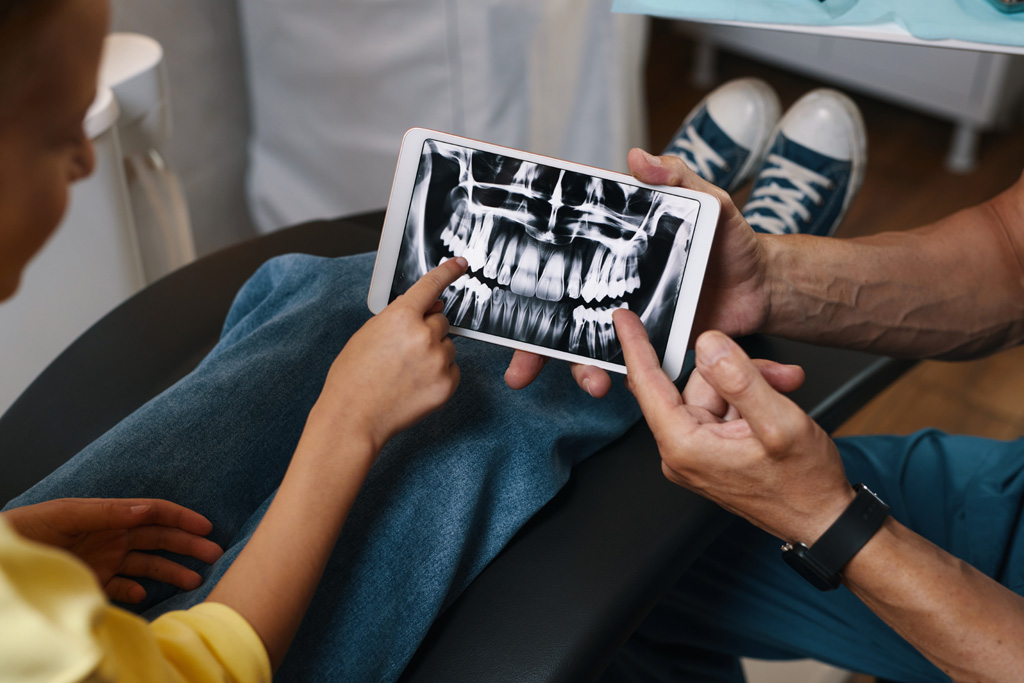
What Age Should You Take Kidsโ€™ X-rays to Detect Dental Issues?

As a parent, you want to do everything possible to protect your childโ€™s smile. While regular cleanings and check-ups are essential, X-rays are critical in catching dental issues before they become bigger problems. But when is the right time for your childโ€™s first dental X-ray? Understanding when and why dentists recommend them can help ensure your little one gets the best possible care.

Newport Beach Dental Center provides gentle, high-quality care to ensure your childโ€™s dental health is on the right track.  Dr. Laura Sharbash, DDS, FAGD, D.ABDSM, brings her gentle approach and extensive pediatric experience to make dental visits comfortable for children of all ages. With advanced imaging technology and a kid-friendly approach, we focus on early detection to prevent future dental issues. Our experienced team takes every precaution to make X-rays safe and comfortable, giving you peace of mind about your childโ€™s smile.

Why Are X-Rays Important for Kidsโ€™ Dental Health?

Dental X-rays play a vital role in diagnosing and preventing potential oral health problems that may not be visible during a routine check-up. They can help your dentist:

  1. Identify cavities
  2. Monitor the growth and development of permanent teeth
  3. Detect issues like impacted teeth or extra teeth forming below the gumline
  4. Evaluate jaw growth and alignment
  5. Plan orthodontic treatment
  6. Check for infections

When proper safety measures are taken, dental X-rays for kids are very safe and unlikely to cause harm. The benefits of X-rays far outweigh any risks, helping to spot and treat issues before they become more serious.

When Should Kids First Get Dental X-Rays?

The American Academy of Pediatric Dentistry (AAPD) does not provide a set age a child should receive their first dental X-rays. However, they recommend taking a childโ€™s first dental X-rays based on their individual risk for cavities and dental issues. In general, most children will get their first dental X-rays around age 4 or 5. This is when their back teeth begin touching, making it harder to spot cavities with a visual exam. If your child is at an increased risk of cavities, your dentist may even suggest X-rays as early as age 2 or 3. 

Once your childโ€™s permanent teeth start coming in, around age 6, regular dental X-rays become more important for monitoring their teeth growth and detecting potential orthodontic issues. Kids with a low risk of cavities and other dental problems may only need dental X-rays every one to two years, while those with a higher risk may need them more frequently. A trusted dentist can be a valuable resource for determining the best time for your childโ€™s first dental X-rays and how often they should get them based on their risk factors. 

What To Expect During a Childโ€™s First X-Ray Appointment?

If your child has never had dental X-rays before, you may be curious about what the experience will be like. Here is what you can likely expect for their first imaging appointment:

  1. Preparation: At Newport Beach Dental Center, we take pride in providing a safe and kid-friendly environment that makes your child feel comfortable during their treatment. Our dental team will explain the X-ray process to your child using age-appropriate language to make your child feel at ease.
  2. Safety precautions: A lead apron will be placed over your childโ€™s body to minimize radiation exposure. Rest assured, modern dental technology uses very low levels of radiation, making it safe for children.
  3. Taking the X-rays: The X-ray process is quick and painless, usually lasting a few minutes.
  4. Reviewing the images: Once the X-rays are taken, your dentist will review them and discuss their findings with you. If there are any concerns, they will recommend the best course of action and design a tailored treatment plan to keep your childโ€™s smile healthy. 

Dental X-rays are valuable in ensuring your childโ€™s teeth and gums stay healthy as they grow. If you have any concerns about your childโ€™s dental X-rays, please donโ€™t hesitate to reach out to us to help make the experience as comfortable and stress-free as possible for your little one.

Protect Your Childโ€™s Oral Health with Newport Beach Dental Center

At Newport Beach Dental Center, we understand that your childโ€™s smile is a top priority. Thatโ€™s why we use the latest technology and a gentle approach to make dental X-rays safe, quick, and comfortable. Early detection of cavities, misalignment, or other dental concerns allows us to provide proactive care, preventing more significant issues down the road. Whether itโ€™s their first X-ray or a routine check-up, weโ€™re here to ensure their oral health stays on track in a caring and kid-friendly environment.

Give your child the best chance for a lifetime of healthy smiles. Our experienced team is ready to guide you through every step and answer any questions you may have about X-rays and dental care. Schedule an appointment today by calling (949) 760-9212 or filling out our contact form.

8 Benefits of Clear Aligners for Teens and Young Adults

A teenagerโ€™s smile is a big part of their confidence, but dealing with bulky metal braces can be a significant obstacle. Whether itโ€™s yearbook photos, social events, or everyday conversations, the last thing most teens want is a mouth full of brackets and wires. Fortunately, clear aligners provide a modern, flexible solution that allows them to straighten their teeth discreetly without the hassle of traditional braces. 

At Newport Beach Dental Center, we understand that teens and young adults want a confident smile without the difficulties of traditional braces. Thatโ€™s why we offer ProMonitoring clear alignersโ€”an advanced, nearly invisible way to straighten teeth while maintaining comfort and flexibility. Our personalized treatment plans ensure effective results with fewer office visits. Dr. Laura Sharbash, DDS, FAGD, D.ABDSM, brings her extensive training and expertise in modern dental technologies to create customized clear aligner treatment plans that address each patient’s unique needs. If youโ€™re looking for a discreet and convenient way to achieve a healthier, more aligned smile, weโ€™re here to help.  

Why Clear Aligners Are an Excellent Option for Teens and Young Adults

A straight, confident smile can make all the difference for teens and young adults trying to navigate school, social situations, and new relationships. Traditional metal braces have been the primary solution to straighten teeth for decades, but ProMonitoring clear aligners have become popular for several reasons. Here are eight benefits to why clear aligners are an excellent option for teens and young adults:

1. Nearly Invisible

One of the biggest reasons teens and young adults prefer clear aligners is their discreet appearance. Unlike traditional braces with bulky metal brackets and uncomfortable wires, clear aligners are made of transparent plastic that fits snugly over the teeth. This makes them nearly invisible, allowing you to feel more confident in social interactions. Whether taking selfies, speaking in class, or going on a date, clear aligners allow teens and young adults to straighten their teeth without drawing unwanted attention.

2. No Dietary Changes

With traditional braces, you should avoid certain foods that could damage the brackets or get stuck in the wires. This includes popcorn, chewy candy, and gum. On the other hand, clear aligners are meant to be removed while eating, allowing you to eat all the foods you love without worrying about breaking your braces. You simply take them out, eat your food, and put them back in after brushing your teeth. This means no dietary restrictions and the frustration of having to say no to some of your favorite foods.

3. Improved Comfort

Metal braces can sometimes cause discomfort with brackets and wires rubbing against the inside of your mouth. This can lead to irritation and even sores. Clear aligners are made of smooth plastic and custom-fitted to your teeth to reduce this risk of irritation. While there may be some mild discomfort when you start a new aligner tray as the teeth shift, the experience is typically much more comfortable than traditional braces.

4. Ability to Play Sports

Clear aligners provide a significant advantage for teens and young adults involved in sports. Traditional braces run the risk of causing injury during contact sports. Clear aligners can be removed during the sport and replaced afterward, allowing your teen to focus on their performance without the worry of damaging their braces or injuring their mouth during contact.

5. Faster Treatment

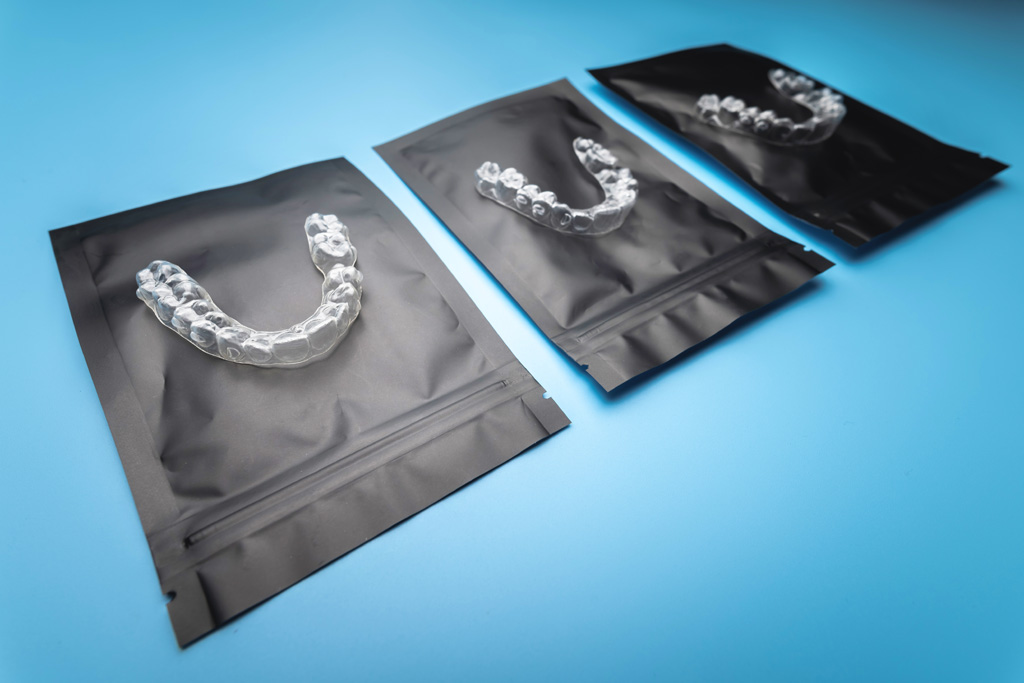
Clear aligners can work faster than traditional braces, depending on the severity of your orthodontic issues. While braces typically require 18 to 24 months for treatment, some clear aligner systems can provide results in as little as 6 to 12 months. This time frame varies from person to person and can be impacted by your ability to follow instructions and wear your aligners for the designated 20-22 hours daily.ย 

6. Versatility

Clear aligners arenโ€™t just for minor orthodontic issues. While they are best suited for mild to moderate conditions, they can also address issues like overbite, underbite, gaps, and crowding. Because of this, clear aligners are a versatile option for a wide array of alignment issues. However, some orthodontic problems are too severe to be treated with clear aligners and may require braces to be fully corrected. 

7. Easier To Maintain Oral Health

One major downside of traditional braces is how difficult they are to fully clean with brushing and flossing. Food particles often get stuck around the brackets and wires, which can increase your risk of gum disease and tooth decay. Clear aligners make oral hygiene much simpler, as you can remove them to practice your dental care routine. This helps keep the teeth and gums healthier throughout your treatment. 

8. Fewer Trips To The Orthodontist

Another great benefit of ProMonitoring clear aligners is the reduced need for frequent orthodontic visits. Traditional braces require regular adjustments and multiple appointments when teens and young adults already have busy schedules to manage. With clear aligners, you will typically receive multiple trays at once that you change at home according to your treatment plan. While occasional check-ins are necessary, the overall number of visits is typically lower, making them a convenient option for teens and young adults. 

The ProMonitoring Difference: Advanced Aligner Technology

ProMonitoring clear aligners represent a significant advancement in orthodontic treatment technology. This FDA-cleared remote monitoring system creates a more efficient and convenient experience for teens and young adults through its AI-driven platform.

The technology enables our team to track treatment progress remotely at every aligner change, identifying potential issues early without requiring frequent in-office visits. Key benefits include:

  1. Digital Oversight: Frequent digital monitoring reduces the need for in-office aligner checks
  2. Early Problem Detection: Issues are identified at every aligner change, often preventing the need for refinements
  3. Patient Engagement: Interactive features keep teens connected to their treatment progress
  4. Reduced Office Visits: Save valuable time for both teens and parents
  5. Improved Treatment Outcomes: More predictable and efficient results through early intervention
  6. Enhanced Experience: More convenient and personalized treatment journey

The combination of cutting-edge technology and convenience makes ProMonitoring clear aligners an excellent choice for teens seeking a modern orthodontic solution that fits their active lifestyles while delivering exceptional results.

Trust Newport Beach Dental Center for Your Teen or Young Adultโ€™s Clear Aligner Needs

A straight, confident smile shouldnโ€™t come with unnecessary hassle. At Newport Beach Dental Center, we offer high-quality ProMonitoring clear aligner treatments designed to fit seamlessly into your teenโ€™s or young adultโ€™s lifestyle. Our customized approach ensures that each patient receives a treatment plan tailored to their unique needs, providing effective results with maximum comfort. Plus, our team is here to guide you every step of the way, making the journey to a perfect smile as smooth as possible.

If youโ€™re considering clear aligners, weโ€™re ready to help you achieve the smile youโ€™ve always wanted. Our experienced team provides expert care in a welcoming environment, making orthodontic treatment easier and more convenient than ever. Schedule a consultation today by calling (949) 760-9212 or filling out our contact form.
Can Your Dentist Help You Save a Tooth During a Dental Emergency?

A stray elbow during a game or a bite into something unexpectedly hard can turn into a dental emergency in seconds. These moments are stressful and time-sensitive, making quick action essential to saving your tooth and protecting your oral health. In many cases, a dentist can save a damaged or knocked-out tooth with advanced procedures like reimplantation or bonding, but only if treatment begins quickly.

At Newport Beach Dental Center, Dr. Laura Sharbash, DDS, FAGD, D.ABDSM, leads our team with extensive experience and advanced credentials. Whether itโ€™s reimplanting a tooth or addressing complex injuries, she provides precise, compassionate care tailored to your needs. When emergencies strike, weโ€™re here to help restore your smile and your confidence.

How Your Dentist Can Help Preserve Your Injured Tooth

When a dental emergency strikes, professional care can make the difference between saving and losing a tooth. Hereโ€™s how our dentist can help in the following situations:

Knocked-Out Tooth

If a tooth is knocked out, time is of the essence. The sooner you see a dentist, the better the chances of saving the tooth. Ideally, the tooth should be gently placed back into its socket or stored in milk or saliva until you can get professional care. Dr. Laura Sharbash can carefully clean and reimplant the tooth, stabilizing it to help it reintegrate naturally into your mouth.

Cracked or Broken Tooth

A cracked or broken tooth requires swift evaluation to determine the extent of the damage. For minor cracks, composite bonding can restore the toothโ€™s function and appearance. More significant breaks might require a crown to protect the tooth, while severe cases could involve root canal therapy to preserve the toothโ€™s inner structure.

Regardless of the type of dental emergency, acting quickly is crucial. Immediate professional care not only increases the likelihood of saving the tooth but also helps alleviate pain and prevent further complications.

Steps to Take Before You Reach Your Dentist

Dental emergencies can feel overwhelming, but taking the right steps before reaching your dentist can help minimize damage and improve the chances of saving your tooth. Whether itโ€™s a knocked-out tooth, a crack, or severe pain, quick and careful action is essential. Follow these general guidelines to handle most dental emergencies effectively:

  • Handle with Care: If a tooth is knocked out or broken, avoid touching the root or applying pressure to damaged areas. Preserve any pieces you can recover.
  • Rinse and Protect: Use warm water to gently clean the injured area or the tooth itself. For knocked-out teeth, keep them moist by reinserting them into their socket or storing them in milk or saliva.
  • Control Pain and Swelling: Use a cold compress on the outside of your mouth to reduce swelling and discomfort. Over-the-counter pain relievers can help, but avoid aspirin, as it may increase bleeding.
  • Avoid Further Damage: Stick to soft foods, avoid chewing near the injury, and never use sharp objects to dislodge anything stuck between teeth.
  • Contact Your Dentist Immediately: Reach out to your dentist as soon as possible to explain your situation and schedule care. Timely treatment is critical for saving your tooth and preventing complications.

Taking these steps can make a big difference in the success of your treatment and recovery. If youโ€™re unsure what to do, contact Newport Beach Dental Center for advice as you prepare for your appointment. Our team is here to guide you through every step of your dental emergency.

Restoring Your Smile When It Matters Most

Dental emergencies are stressful, but they donโ€™t have to result in losing a tooth. At Newport Beach Dental Center, weโ€™re committed to providing the swift, personalized care you need when the unexpected happens. Led by Dr. Laura Sharbash, DDS, FAGD, D.ABDSM, our team combines advanced skills with a compassionate approach to help save your natural teeth and restore your smile.

From knocked-out teeth to complex injuries, we focus on preserving your oral health with precision and care. Donโ€™t wait โ€“ call us today at (949) 760-9212 or use our contact form to schedule your appointment. Your smile deserves nothing less.

What Is Obstructive Sleep Apnea?

Many people go to bed each night feeling exhausted, only to wake up just as tired the next morning. The cycle of restless sleep, snoring, and gasping for air can leave you feeling drained during the day. This is a common experience for those living with obstructive sleep apnea (OSA), a condition where the airway becomes blocked during sleep, causing interruptions in breathing. Over time, untreated OSA can lead to serious health concerns like heart disease, high blood pressure, and diabetes, making it important to seek treatment.

At Newport Beach Dental Center,ย Dr. Laura Sharbash, DDS, FAGD, D.ABDSM, provides a personalized approach to managing obstructive sleep apnea. With her expertise in dental sleep medicine, Dr. Sharbash offers custom-made oral appliances designed to keep the airway open, ensuring restful, uninterrupted sleep. Her dedication to patient care means youโ€™ll receive a comfortable, non-invasive solution tailored to your needs, helping you feel more energized and healthy.

How is Obstructive Sleep Apnea Diagnosed?

Obstructive sleep apnea (OSA) is a condition that occurs when the muscles at the back of your throat relax too much during sleep, causing your airway to become either partially or fully blocked. This blockage interrupts your breathing, sometimes hundreds of times a night, leading to restless sleep and other issues like snoring, gasping for air, or waking up frequently.

People with OSA often feel tired during the day, even after what seems like a full nightโ€™s sleep. While snoring can be a common symptom, not everyone who snores has sleep apnea, which is why itโ€™s important to recognize the full range of signs, including daytime fatigue, difficulty concentrating, and mood changes.

Diagnosing OSA typically starts with a sleep study, either in a lab or at home. This test monitors your breathing, oxygen levels, and heart rate while you sleep to assess for sleep apnea. Dr. Laura Sharbash at Newport Beach Dental Center can help identify possible signs of OSA during a routine exam. If needed, she can refer you for further testing to confirm the diagnosis.

How is Obstructive Sleep Apnea Treated?

Treating obstructive sleep apnea (OSA) involves various methods, depending on the severity of the condition and individual needs. The treatment options range from lifestyle adjustments to medical devices and even surgery. Below are some of the most common treatments available for OSA:

Lifestyle Changes

For individuals with mild OSA, making certain lifestyle changes can significantly improve symptoms. The following modifications often target factors that contribute to airway obstruction during sleep:

  • Weight loss:ย Losing excess weight, especially around the neck, can reduce pressure on the airway and help alleviate OSA symptoms.
  • Sleep position:ย Sleeping on your side instead of your back can prevent the airway from collapsing, reducing the risk of snoring and sleep disruptions.
  • Avoiding alcohol and sedatives:ย These substances relax the muscles in your throat, increasing the likelihood of airway blockages, so avoiding them is beneficial.
  • Quitting smoking:ย Smoking causes inflammation and irritation in the airway, so quitting can improve respiratory health and reduce OSA symptoms.

While lifestyle changes may not cure OSA, they are often an essential part of a comprehensive treatment plan.

Continuous Positive Airway Pressure (CPAP) Therapy

CPAP therapy is the gold standard for treating moderate to severe obstructive sleep apnea. A CPAP machine delivers continuous air pressure through a mask worn over the nose or mouth, keeping the airway open during sleep. While highly effective, CPAP can be uncomfortable for some patients. Common issues include mask discomfort, noise, and difficulty adjusting to wearing the device. Despite these challenges, consistent use of a CPAP machine can greatly improve sleep quality and reduce the health risks associated with OSA.

Oral Appliance Therapy

For patients who have trouble with CPAP or prefer a more comfortable, less invasive option, oral appliance therapy is an excellent alternative. Custom-fitted by a dentist, these devices work by repositioning the lower jaw and tongue to keep the airway open while you sleep.

At Newport Beach Dental Center, Dr. Laura Sharbash specializes in providing custom oral appliances for sleep apnea. These devices are small, easy to use, and much quieter than a CPAP machine. Many patients find that an oral appliance is a more practical solution for long-term management of their OSA, especially if they travel frequently or find a CPAP uncomfortable.

Improve Your Sleep with Newport Beach Dental Center

If youโ€™re struggling with restless sleep, daytime fatigue, or frequent snoring, you may be dealing with obstructive sleep apnea. Addressing this condition can be life-changing, improving not only your sleep but also your overall health and energy levels. At Newport Beach Dental Center, we offer custom-fitted oral appliances designed to help you breathe easier and sleep soundly.

Dr. Laura Sharbash, DDS, FAGD, D.ABDSM, has extensive experience in treating sleep apnea with non-invasive, comfortable solutions tailored to your specific needs. Take the first step toward better sleep by scheduling a consultation with us today. Callย (949) 760-9212ย or reach out via ourย contact form.

Can Veneers Help You Achieve a Perfect Smile?

Thereโ€™s a certain confidence that comes from a smile that feels both natural and beautifully polished. Veneers are an affordable and transformative solution to enhance this confidence by covering common concerns like discoloration, chips, and small gaps with a tailored, seamless fit. Made from ultra-thin materials that blend harmoniously with your natural teeth, veneers create a refined, balanced look.ย 

At Newport Beach Dental Center, Dr. Laura Sharbash, DDS, FAGD, D.ABDSM, combines her expertise in cosmetic dentistry with a commitment to individualized care, making veneers a top choice for achieving a flawless smile. Dr. Sharbash takes a meticulous approach to crafting veneers that match each patientโ€™s facial structure and aesthetic preferences, ensuring a natural, balanced look. Her dedication to precision and patient comfort means youโ€™ll receive a personalized treatment plan that delivers long-lasting, beautiful results. 

5 Benefits of Choosing Veneers

Veneers offer a versatile and effective way to enhance your smile, bringing a range of benefits that go beyond aesthetics. Hereโ€™s how veneers can transform your dental experience:

  • Natural Appearance: Veneers are custom-made to match the color, shape, and size of your natural teeth. This tailored approach ensures your smile looks bright and authentic, blending seamlessly with your existing teeth for a polished, natural look.
  • Quick Smile Transformation: Unlike more extensive treatments, veneers provide an immediate boost to your appearance, addressing concerns like chips, gaps, and discoloration in a short amount of time.
  • Stain Resistance: Porcelain veneers are highly resistant to stains, allowing you to enjoy a brighter smile without worrying about discoloration from coffee, tea, or other staining foods. This means you can maintain a consistently bright smile with minimal upkeep.
  • Long-Lasting Solution: Veneers are designed to be durable, lasting many years with proper care. This longevity makes them a great investment for those looking for a smile enhancement that can stand the test of time without frequent repairs or replacements.
  • Minimally Invasive: Unlike crowns or other restorative treatments, veneers require minimal removal of your natural tooth structure. This makes the procedure less invasive while still delivering stunning results.

Veneers offer a balanced approach to enhancing your smile, providing a natural, durable, and low-maintenance solution. With the right care, veneers can help you enjoy a confident, radiant smile that lasts for years.

What to Expect During Your Veneers Appointment

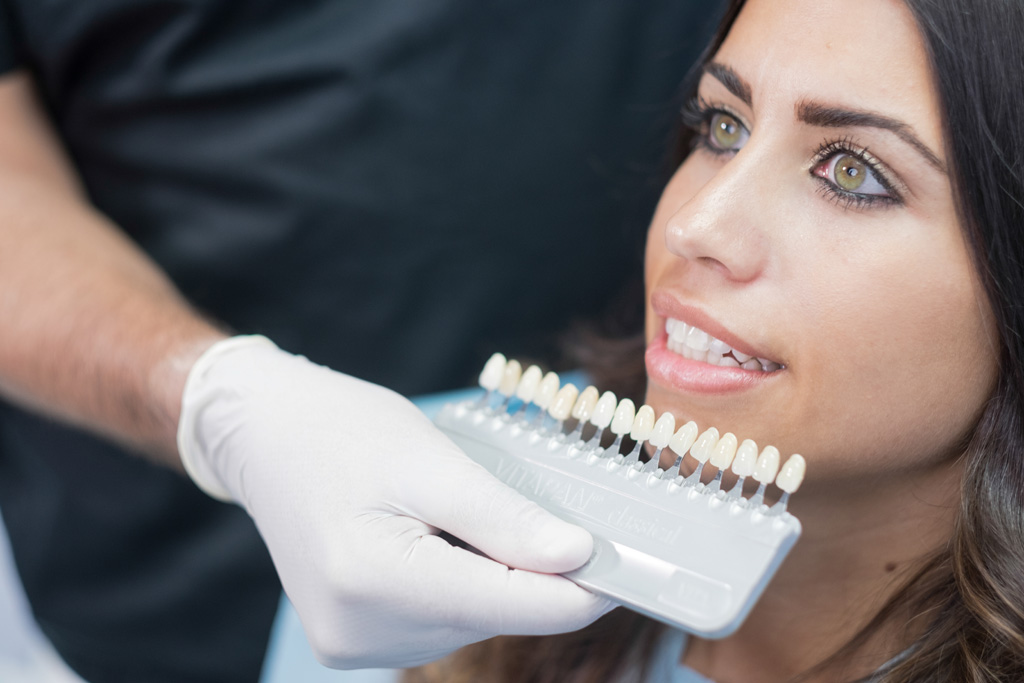
Your veneers appointment is designed to be comfortable and rewarding from start to finish. During the initial consultation, Dr. Laura Sharbash will take time to understand your smile goals, assess your teeth, and determine if veneers are the right choice. Together, youโ€™ll select the perfect shade, shape, and size to create a look that complements your natural features. Once the plan is set, weโ€™ll gently prepare your teeth by removing a minimal amount of enamel, creating an ideal surface for bonding. Impressions are then taken to craft your custom veneers, and temporary veneers may be placed to protect your teeth and give you a preview of your new smile.

When your custom veneers are ready, youโ€™ll return for the bonding process. Dr. Sharbash will fit the veneers, make any necessary adjustments, and ensure they look natural and feel comfortable. Once theyโ€™re securely set with a strong dental adhesive, youโ€™ll leave with a stunning, refreshed smile. Weโ€™ll also provide guidance on caring for your veneers, which only require regular brushing, flossing, and routine dental visits to keep them looking their best. 

Enhance Your Smile With Newport Beach Dental Center

If youโ€™re considering veneers to perfect your smile, Newport Beach Dental Center is here to guide you through the journey. Led by Dr. Laura Sharbash, DDS, FAGD, D.ABDSM, our team brings together advanced cosmetic expertise and personalized care to ensure your veneers are custom-crafted to suit your unique facial structure and aesthetic goals. From addressing chips and stains to creating a natural, seamless look, our veneers process is designed to help you achieve a confident, polished smile youโ€™ll love.

Dr. Sharbashโ€™s commitment to minimally invasive techniques and her attention to detail mean youโ€™ll receive veneers that look and feel like a natural part of your smile. Start your journey toward a beautiful, balanced smile by calling us at (949) 760-9212 or filling out our contact form. We look forward to helping you achieve a smile that feels as radiant as it looks.
How Biomimetic Dentistry Saves Teeth

Dental care doesnโ€™t always need to be invasive to be effective. Biomimetic dentistry offers a more natural approach for those dealing with a cavity or a minor fracture, allowing the tooth to be carefully repaired without sacrificing healthy structure. This method uses advanced materials that bond with your natural tooth, reinforcing its existing strength rather than removing unnecessary portions. The result is a repair that aligns with the toothโ€™s original function and form, reducing the risk of future complications.

At Newport Beach Dental Center, Dr. Laura Sharbash, DDS, FAGD, D.ABDSM, leads our team with a commitment to precision and patient comfort. With her extensive training and recognition in both general and advanced biomimetic techniques, Dr. Sharbash prioritizes dental solutions that preserve and strengthen natural teeth. Her dedication to minimally invasive care ensures each patient receives treatment tailored to protect their unique smile, combining innovative biomimetic methods with a deep understanding of patient needs.

How Does Biomimetic Dentistry Preserve Your Tooth Structure?

Biomimetic dentistry takes a preservation-first approach, prioritizing the natural tooth structure over invasive procedures. The practice mimics natural biological processes to maintain and protect your toothโ€™s integrity. Hereโ€™s how it works:

  • Minimizing Drilling and Invasive Techniques: Biomimetic dentistry limits drilling, focusing on repairing only damaged areas. This approach preserves more of your original tooth, often avoiding the need for full crowns.
  • Using Natural-Like Materials: Materials in biomimetic dentistry flex like natural teeth, adapting to pressure without breaking. This helps maintain your tooth’s structure and reduces potential fractures.
  • Protecting Against Bacteria and Decay: Biomimetic techniques strengthen the toothโ€™s outer layer, creating a robust barrier that reduces decay and damage over time.
  • Long-Term Preservation: By closely mimicking natural tooth function, biomimetic dentistry minimizes immediate treatment needs and supports long-term health, potentially reducing future dental work.

Biomimetic dentistry helps keep your smile as close to its natural state as possible, benefiting both functionality and aesthetics while reducing the chance of additional treatments.

How Biomimetic Dentistry Prevents Future Oral Health Issues

Biomimetic dentistry goes beyond immediate repair by actively working to prevent future oral health issues. Its core principle is to treat the tooth in a way that maintains its natural resilience and strength, which significantly reduces the likelihood of additional complications over time. Hereโ€™s how biomimetic techniques help safeguard your long-term oral health:

Reducing the Risk of Cracks and Fractures

Biomimetic methods avoid overcutting and instead use natural-like materials that mimic the flexibility of your real teeth. These materials move with the tooth under pressure, which prevents the formation of cracks and fractures commonly seen with more rigid dental materials.

Minimizing Bacterial Invasion

By restoring damaged areas without extensive drilling, biomimetic dentistry preserves more of the natural tooth structure, creating fewer entry points for bacteria. This approach reduces the risk of decay reoccurring, as the sealed restorations are designed to closely bond with the tooth and prevent bacterial infiltration.

Avoiding Root Canal Treatments

Traditional fillings and crowns sometimes involve extensive drilling that can expose the toothโ€™s inner layers, increasing the risk of infection and the need for root canals. Biomimetic dentistryโ€™s conservative techniques focus on protecting the tooth pulp, reducing the chances of infections that lead to root canals.

Supporting Gum Health

Biomimetic restorations are designed to blend seamlessly with the tooth, reducing the risk of irritation or inflammation in the surrounding gum tissue. This alignment helps protect your gums and minimizes issues like gingivitis, which can develop around poorly fitted traditional restorations.

Discover the Benefits of Biomimetic Dentistry at Newport Beach Dental

At Newport Beach Dental Center, we believe in a more natural approach to dental care that prioritizes preserving the structure and function of your teeth. Biomimetic dentistry provides an effective alternative to traditional invasive methods, focusing on minimally invasive techniques that help your smile stay healthy and strong. By using advanced, flexible materials that mimic your toothโ€™s natural resilience, we help reduce the need for future treatments, protect against decay, and prevent common dental complications.

Our team is committed to combining patient comfort with cutting-edge techniques. Dr. Sharbashโ€™s extensive experience in biomimetic dentistry ensures each treatment is designed to preserve the strength and integrity of your natural teeth. Reach out to us today at (949) 760-9212 or fill out our contact form to learn more about how biomimetic dentistry can benefit your smile.

The Importance Of Pediatric Dental Care

As a new parent, you want to do everything you can to provide your baby with a happy and healthy future. One thing many parents of infants feel uncertain about is how to care for your childโ€™s newly emerging teeth. Your babyโ€™s oral health requires care and dedication, but that doesnโ€™t mean it has to be difficult or tedious. Once you understand the basics, you can provide better care and catch developing issues quickly, making things better for you and your baby.

How Much Do Baby Teeth Matter?

Baby teeth may be temporary, but they establish a template for your childโ€™s future oral health development. Taking care of your babyโ€™s dental health begins in the womb. The American Academy of Pediatric Dentistry officially advises all pregnant women to receive consistent cleanings and exams during their pregnancy to prevent against periodontal diseases such as gingivitis which can increase the risk of premature birth and low birth weight.

Good dental care for mom shouldnโ€™t end once your baby is born, either โ€” moms with poor oral health who are breastfeeding risk transferring harmful bacteria to their babies. Mothers need to be extra diligent about their teeth and gums by following these simple guidelines.

  • Avoid sharing eating utensils, drinking cups, or food
  • Brush twice a day, and floss at least once a day
  • Use a good mouthwash
  • Use a sugar-free chewing gum
  • Use a fluoride toothpaste
  • Eat a healthy diet with less sugar
  • Keep up with your regular dental cleanings and

Establish a Healthy Relationship with the Dentist Early On

The American Dental Association, American Academy of Pediatric Dentistry, and American Academy of Pediatrics all recommend establishing a family dentist for your child sometime during their first year. Preventive dental care and regular checkups lower the risk of developing dental problems when they are older, plus they get used to the routine and have better oral health habits.

Try to make your childโ€™s first visit to the dentist a positive and enjoyable experience. If your child can understand what is going on, explain everything you can, so they understand whatโ€™s going on reduce the chances of developing dental anxiety.

Be careful about the words you use when talking about the dentist, and try avoiding words like โ€œscary,โ€ โ€œneedle,โ€ โ€œdrill,โ€ โ€œpain,โ€ โ€œhurt,โ€ or other words that your child will associate with negative emotions. Itโ€™s important to create positive memories and associations early on in your childโ€™s life.

Pediatric dental offices treat a lot of small children and infants, and so they understand how important a good first impression is for young children. They establish trusting relationships with their young patients and provide education and encouragement.

When Does Teething Usually Start?

Dental development is different for each child. Some babies are very late teethers, and others are very early. You can usually expect the front teeth to appear first at some point between the ages of 6 to 8 months.

What You Should Know About Nighttime Bottle Feeding

One of the biggest causes of cavities in infants is the use of a baby bottle with sugary drinks when putting them down to sleep. Fruit juice and other sweetened drinks are well-known promoters of tooth decay, but even milk (including breast milk) contains enough sugar to allow the development of excess bacteria and cavities. Use an empty bottle or pacifier, rather than milk or some other sweetened drink.

How to Clean Your Babyโ€™s Teeth at Home

Use a damp washcloth or pad of gauze to carefully remove plaque from the babyโ€™s gums and teeth after feeding. This is usually done by sitting down with the babyโ€™s head in your lap or with the baby lying comfortably on a secure, flat surface. Make sure that you can see into your babyโ€™s mouth to remove all of the plaque.

Are Sippy Cups Safe?

After the bottle, they will transition to a sippy cup until theyโ€™re ready to drink from normal cups. Keep in mind that a sippy cup is only a temporary training tool and not a long-term solution. Sippy cups should be discontinued by the time your child reaches their first birthday. What goes in the sippy cup is whatโ€™s important. If you give your child sugary liquids throughout the day, coating the mouth with a sticky, syrupy substance, which provides a rich breeding ground for the bacteria that cause cavities and gum disease. Instead, take the time to transition your child to drink water as often as possible. Offer milk and juice as an occasional treat given in small amounts

Overall, good dental health is essential at any age. By paying close attention to your childโ€™s oral health and setting a good example with your dental care, youโ€™ll ensure you and your baby can share healthy smiles and laughs for years to come.

What Is Laser Dentistry?

Laser dentistry is a fairly new dental field that offers more comfortable treatment options for many dental procedures. LASER stands for โ€œlight amplification by the stimulated emission of radiationโ€ and uses a narrow-focused beam of light energy. Lasers make many treatments less invasive, more efficient, and more economical. Issues that are treatable with laser dentistry include:

  • Cavity detection
  • Fillings and other restoration prep
  • Tooth sensitivity
  • Teeth Whitening
  • Canker sores and cold sores
  • Removing infected gum tissue
  • Excising a benign (non-cancerous) oral tumor
  • Sleep apnea-related throat tissue removal to fix breathing or snoring issues
  • Nerve regeneration
  • Treating tongue frenulum attachment

Dentists use lasers in myriad different procedures that take place on the inside of the mouth, whether to eliminate some slightly excessive gum tissue, to reshape gums, or to brighten teeth that have become yellowed or stained by food, drink, or tobacco habits.

In some cases, laser dentistry can be helpful for kids who get anxious or scared when having dental procedures completed. Lasers are not loud like a traditional drill, and they promote blood clotting, which can minimize bleeding and speed up healing.

Types of Lasers

There are different types of lasers, each of which interacts with the tissue in the mouth differently. For this reason, dentists must use a couple of different types of laser beams to perform a laser dentistry procedure. Laser beams operate at different wavelengths, and these wavelengths affect the gum tissue in different ways. The two main categories are soft tissue lasers and hard tissue lasers. By changing the wavelengths of light used, dentists can be very precise with treatment.

Soft Tissue Lasers

Soft tissue lasers are designed to be absorbed by hemoglobin (blood cells) and water. The gums are filled with blood, which contains a lot of hemoglobin molecules. This makes soft tissue laser beams the tool of choice for operations where the gums are involved rather than the teeth or bones. A nice side benefit of this type of laser is that when they cut through a blood vessel, they also seal it up right away to prevent bleeding or infection.

Hard Tissue Lasers

Hard tissue lasers are used when a dentist is working with the teeth rather than with the gums. These lasers are optimized to slice through bone or more specifically through the calcium phosphate that is the main ingredient in bones and teeth.

Regardless of which type of laser dentistry procedure you are thinking of having performed, you can expect less pain, reduced risk of infection, and faster recovery times from this advancement in dental procedure technology. Be sure to ask your dentist about laser dentistry options the next time you have an exam or cleaning.

We Are Here For You