
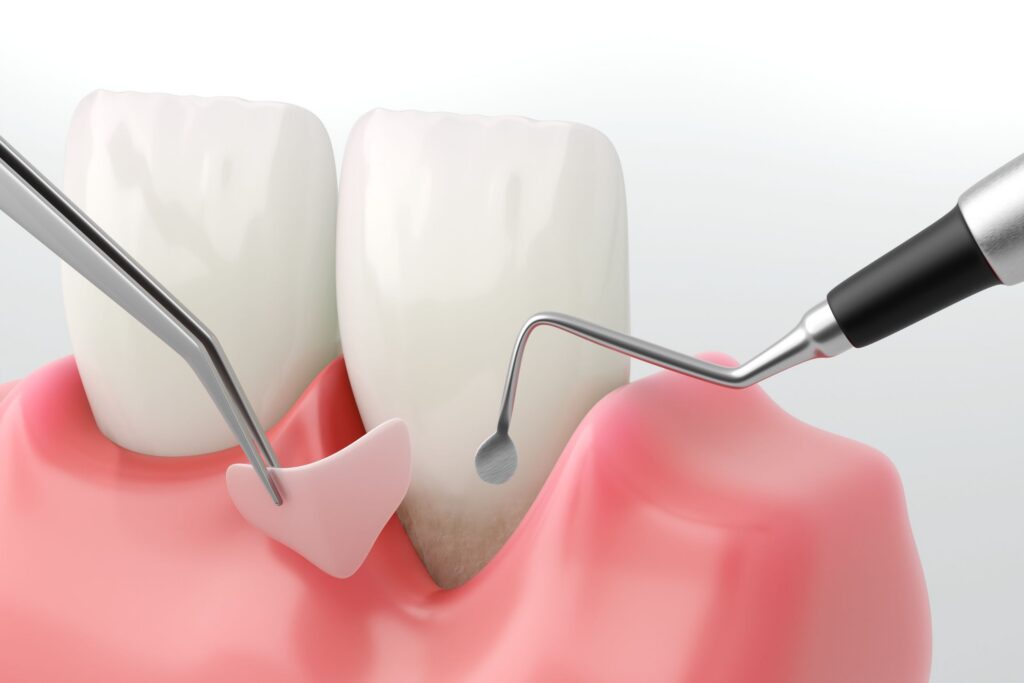
Receding gums are more common than most people realize, and they are not just a cosmetic concern. When gum tissue pulls back and exposes more of the tooth or its root, it can lead to sensitivity, decay, and even tooth loss if left unaddressed. Gum grafting is a procedure designed to restore lost tissue, protect the tooth structure, and help stabilize your long-term oral health.
At Newport Beach Dental Center, we take a conservative, biomimetic approach to every treatment we recommend. Dr. Laura Sharbash, DDS, FAGD, D.ABDSM, brings a thorough, patient-first perspective to periodontic care, which means gum grafting is only discussed when it genuinely serves your health. Our team is here to walk through what the procedure involves and how to tell whether it may be right for you, so you can make an informed decision about your care.
What Is Gum Grafting?
Gum grafting, also called a gingival graft, is a surgical procedure in which soft tissue is placed over areas where the gums have receded. The goal is to cover exposed root surfaces, reinforce thin gum tissue, and reduce the risk of further recession. The right approach depends on how much coverage is needed and where the donor tissue comes from.
Each approach has its place, and the right choice depends on your specific anatomy and what you and our team decide together during a consultation.
What Causes Gum Recession?
Gum recession does not happen overnight. It tends to develop gradually, often as the result of habits or conditions that go unnoticed for years. According to the National Institute of Dental and Craniofacial Research, about 42% of adults 30 and older in the United States have some form of periodontitis, making gum health one of the most prevalent oral health concerns in the country.
Beyond gum disease, recession may also be tied to aggressive brushing, clenching or grinding, naturally thin gum tissue, certain medications, or misalignment that concentrates pressure on specific teeth. Gum disease treatment is often a necessary first step before grafting is considered, since grafting onto inflamed or actively infected tissue does not yield predictable, lasting results. Catching recession before it reaches the root or affects supporting bone keeps treatment simpler and more conservative. If you want to compare every option side by side, from deep cleanings and night guards to surgery, our guide on how to fix gum recession lays out the full treatment path.
Signs You Might Need a Gum Graft
Not every patient with gum recession needs a graft. However, certain signs suggest the situation warrants a closer look and a conversation with your dentist. You may be a candidate for gum grafting if you notice any of the following:
If these signs sound familiar, a thorough evaluation will help determine whether grafting, monitoring, or a different treatment is the right path forward for you.
How the Procedure Works
Gum grafting involves a brief surgical procedure, typically completed in a single visit under local anesthesia. The exact steps depend on the type of graft your case calls for. Gum grafting is periodontal surgery, which is the core training of a periodontist, and our team includes Dr. Jeremy Owyoung, who earned his specialty certificate in Periodontics and Implant Dentistry at the University of California, San Francisco and is a Diplomate of the American Board of Periodontology.
The benefits, including reduced sensitivity, protected root surfaces, and a more balanced gum line, often make the short recovery period well worth it. For patients with more advanced concerns, gum grafting may be one component of a larger full-mouth reconstruction plan. After healing, complementary restorative work, such as dental crowns, may also be considered to address any damage to the exposed root structure that occurred during the period of recession.
What Recovery After a Gum Graft Looks Like
Recovery is usually the part patients ask about most. Healing happens in stages, and knowing what to expect makes the first couple of weeks much easier to plan around.
Every recovery is a little different, and your post-operative instructions will be tailored to the type of graft you receive. If anything feels unusual while you heal, such as bleeding that does not settle or swelling that worsens after the first few days, contact our office so we can take a look.
Is Gum Grafting Right for You?
Having your gums evaluated does not mean committing to surgery. Dr. Sharbash’s conservative philosophy means every case is weighed individually, and grafting is recommended only when it serves a clear purpose for your long-term oral health. In milder cases, adjusting your brushing technique or completing gum disease treatment first may be enough to stabilize the tissue without surgical intervention. Our companion page on receding gums causes, symptoms, and treatment options covers the full range of approaches we consider before recommending a graft.
Preventing Further Gum Recession After Treatment
Protecting a graft, or preventing future recession altogether, comes down to a few consistent habits. Switching to a soft-bristled toothbrush and a gentler technique reduces ongoing mechanical wear on the gum line. If clenching or grinding is a factor, a custom nightguard can take pressure off your gums and teeth while you sleep. Regular periodontal maintenance visits also allow us to catch any new irritation early, before it progresses. For patients without dental insurance, our in-house membership plan is worth asking about to help keep follow-up care accessible.
Talk to Newport Beach Dental Center About Your Gum Health
Gum recession is worth taking seriously, but having it evaluated does not mean committing to a procedure. Dr. Sharbash’s conservative philosophy means treatment is always weighed against your individual circumstances, and grafting is recommended only when it serves a clear clinical purpose. As a Fellow of the Academy of General Dentistry (FAGD), she holds advanced credentials earned by fewer than 6% of general dentists nationwide, and her approach reflects that depth of training.
Whether you have noticed increased sensitivity, visible recession, or simply want a baseline assessment of your gum health, our team is here to help. We welcome CareCredit and Cherry financing to keep care accessible, and we are in-network with Delta Dental. Reach out to us today to schedule a consultation and get the answers you need.
Frequently Asked Questions About Gum Grafting
Does gum grafting hurt?
The procedure itself is performed under local anesthesia, so patients typically do not feel pain during grafting. Some soreness and sensitivity in the treated area is common for several days afterward, and it is usually manageable with over-the-counter pain relief and a soft-food diet during recovery.
How long does it take to recover from a gum graft?
Most patients notice significant improvement within one to two weeks, though the graft site continues to fully integrate with surrounding tissue over several additional weeks. Your dentist will schedule a follow-up visit to confirm the tissue is healing as expected.
Will dental insurance cover gum grafting?
Coverage varies by plan and by whether the procedure is considered medically necessary. Newport Beach Dental Center is in-network with Delta Dental, and CareCredit and Cherry financing are available to help make treatment accessible regardless of your insurance situation.
Can gum recession improve without a graft?
In milder or early cases, addressing the underlying cause, such as improving your brushing technique or completing gum disease treatment, can help stabilize the tissue without surgery. Grafting is generally reserved for cases where recession is more advanced or continuing to progress.
How long do the results of a gum graft last?
Gum grafts are intended to provide a long-term solution to recession and, with consistent oral hygiene and regular dental visits, many patients maintain their results for many years. Ongoing habits like gentle brushing and nightguard use for grinding help protect the graft over time.