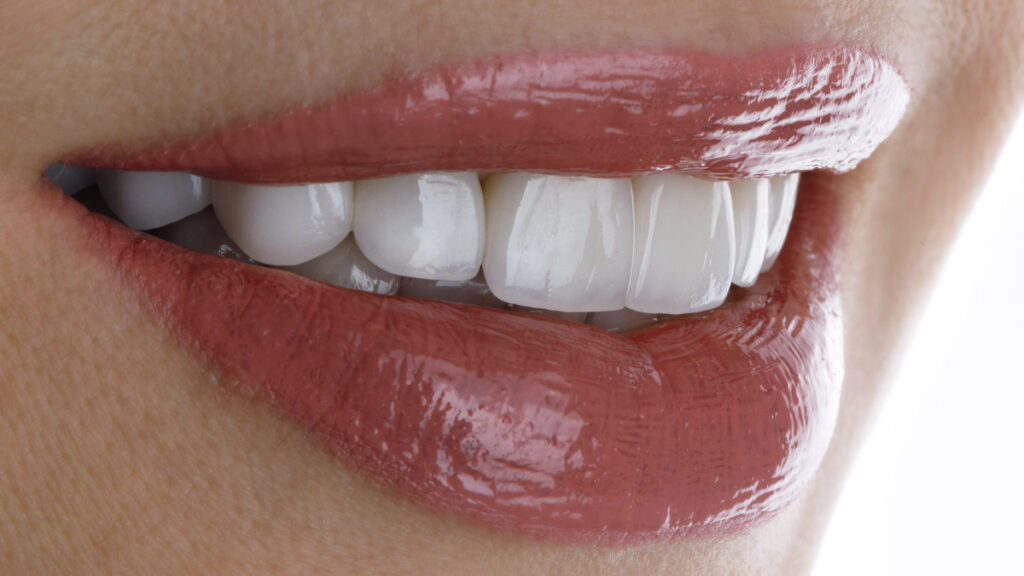
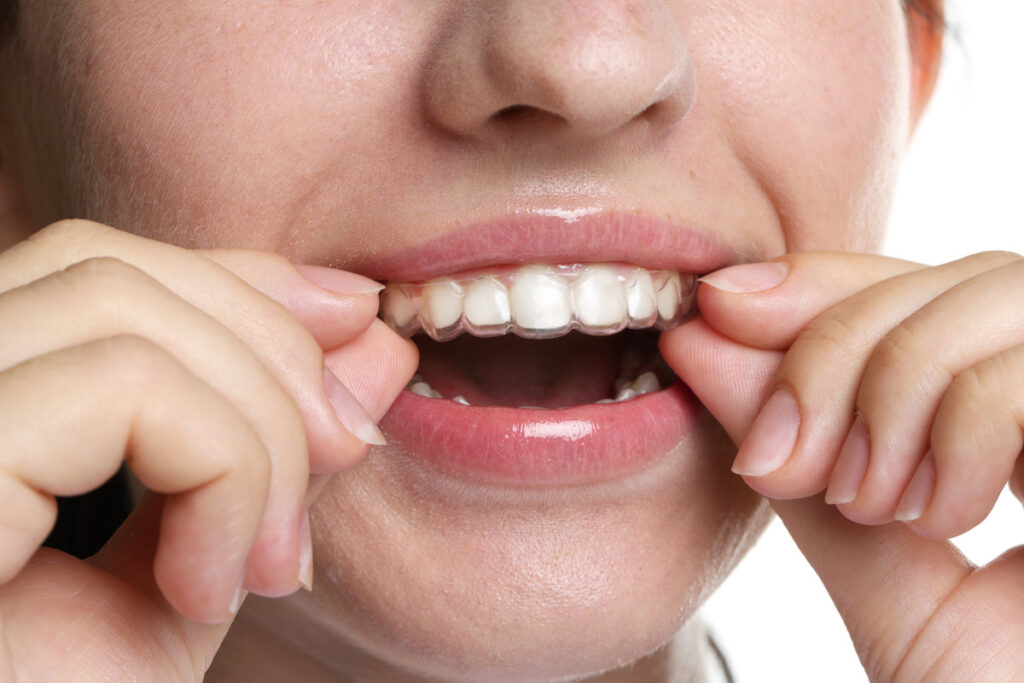
Veneers are one of the most requested cosmetic dental treatments, and for good reason. They can transform stained, chipped, or uneven teeth into a smile that looks natural and consistent for years. But the question we hear most often from patients considering the investment is simple: how long will they actually hold up?
At Newport Beach Dental Center, we place a mix of porcelain and composite veneers, and we always walk patients through realistic expectations before treatment begins. The honest answer is that lifespan depends on the material, the skill of the placement, and how well the veneers are cared for afterward.
The real lifespan of porcelain veneers
Porcelain veneers are built to last. Clinical research backs this up. A systematic review of more than 6,500 porcelain veneers found a 10-year survival rate of 95.5%, and many patients see their veneers holding strong well beyond that mark with proper care. In practice, we tell patients to plan for 10 to 15 years of reliable performance, with some veneers lasting 20 years or more.
Composite veneers, by comparison, typically last 5 to 7 years before they need replacement. They can be a good short-term or budget-friendly option, but porcelain remains the more durable and stain-resistant choice for patients who want a long-term result.
What affects how long your veneers last
Veneers are strong, but they are not indestructible. A handful of everyday habits and biological factors determine whether your veneers make it to year 10 or year 20.
Grinding or clenching your teeth at night, which puts repeated stress on the porcelain edges
Biting down on hard objects like ice, pens, or fingernails
Gum recession around the margins of the veneer over time
Consistency with brushing, flossing, and professional cleanings
Shifts in your bite that change how pressure is distributed across your teeth
Patients who wear a nightguard, avoid chewing on hard objects, and keep up with routine visits tend to get the most out of their veneers.
Signs it may be time for an evaluation
Veneers do not always fail dramatically. More often, the signs are subtle: a thin dark line near the gumline, a slight change in shade compared to surrounding teeth, or a small chip along an edge. If you notice any of these changes, it is worth having your veneers checked before the issue progresses. Our team can evaluate whether a veneer simply needs polishing or whether it is approaching the end of its lifespan.
Regular checkups also give us the chance to catch problems with the underlying tooth or gum tissue early, which helps protect both your veneers and your natural smile for longer.
Getting the most out of your investment at Newport Beach Dental Center
Every smile we design is customized to the patient in front of us, and that includes an honest conversation about how long a given material is expected to last. Whether you are exploring veneers for the first time or wondering whether your current veneers need attention, we take a conservative and biomimetic approach that prioritizes the long-term health of your teeth alongside the way your smile looks. We also work closely with patients on full smile makeovers and other cosmetic dentistry options when veneers are one part of a broader smile plan, and our general dentistry visits keep the rest of your smile healthy in the meantime.
If you have questions about veneer longevity, or you are ready to find out if veneers are the right fit for your smile, we would love to talk it through with you. Reach out to our team to schedule a consultation.
A chipped edge, a stubborn gap, or a shade that never quite matches the rest of your smile can all feel like small problems until you are staring at photos from a recent event and noticing them every time. The main difference between dental bonding and veneers is this: bonding is a tooth-colored resin sculpted directly onto the tooth in a single visit, while veneers are thin porcelain shells made in a lab and bonded to the front of the tooth. The right choice often comes down to how much correction your teeth actually need.
At Newport Beach Dental Center, we hear the same question from patients across Corona del Mar, Irvine, and Newport Beach almost every week: what is the real difference between dental bonding and veneers? Both treatments can improve the appearance of a tooth, but they work in very different ways, and knowing those differences helps you have a more informed conversation at your next visit.
What Dental Bonding Involves
Dental bonding uses a tooth-colored composite resin that we apply directly to the surface of a tooth, sculpt into shape, and harden with a curing light. Because the resin is applied and shaped chairside, bonding is typically completed in a single visit with little to no removal of the natural tooth structure underneath. That also means bonding is generally reversible or easy to revise later.
Bonding tends to work well for smaller concerns, such as a minor chipped tooth, a small gap, or an isolated area of discoloration. It is also a more budget-conscious option, since it uses less material and chair time than a restoration covering the entire visible surface of a tooth. That said, composite resin is more porous than porcelain, so bonded teeth can be more prone to staining over time.
Where Bioclear Fits In
Our practice also offers Bioclear, a composite-based technique that uses clear anatomic molds and heated, injectable resin to reshape teeth. It is a conservative option for closing gaps, including the dark triangles that can form between teeth near the gumline, and it preserves natural tooth structure much like traditional bonding while giving us more control over the final shape.
What Veneers Involve
Veneers are thin, custom-fabricated porcelain shells that we bond to the front surface of a tooth. Unlike bonding, veneers are crafted in a dental lab from an impression or digital scan, which usually means the process takes place over two visits rather than one. A thin layer of enamel is typically removed so the veneer sits flush with neighboring teeth, which makes veneers a permanent commitment.
Because porcelain veneers are fabricated outside the mouth, we have more control over the final shape, translucency, and shade, making them a strong option for correcting multiple concerns at once, such as uneven tooth length or several less-than-ideal teeth in the smile line. Porcelain also resists staining better than composite resin, so veneers tend to hold their color over a longer stretch of time. For patients planning broader changes, veneers are often one part of a larger smile makeover.
Comparing Cost, Durability, and Maintenance
Choosing between these treatments often comes down to weighing a few practical factors side by side. The table below summarizes the differences patients ask about most.
Factor
Dental Bonding
Porcelain Veneers
Material
Tooth-colored composite resin
Thin, custom porcelain shells
Number of visits
Usually one
Usually two
Tooth preparation
Little to none
Thin layer of enamel removed
Reversibility
Generally reversible
Permanent
Stain resistance
More prone to staining
Highly stain resistant
Typical lifespan
Several years before touch-ups
A decade or longer with care
Upfront cost
Lower
Higher
Best suited for
One or two small chips, gaps, or spots
Several teeth or broader smile changes
Longevity and Care
Bonding generally lasts several years before it may need touch-ups, while veneers are designed to hold up for a decade or longer with proper care. According to the National Institute of Dental and Craniofacial Research, nearly 90 percent of adults ages 20 to 64 have experienced decay in their permanent teeth, and many patients carry some combination of past fillings or minor damage that eventually shows up in the appearance of their smile.
Either option lasts longest with the same habits: brushing and flossing daily, keeping up with cleanings, avoiding using your teeth to open packages, and wearing a night guard if you grind. Our guide to maintaining crowns and veneers covers these habits in more detail. The following practical factors can help guide the conversation:
The number of teeth you would like to address, since bonding suits one or two spots while veneers suit broader makeovers
Your budget, since bonding is typically less costly upfront
How much natural tooth structure you are comfortable altering, since veneers require thin enamel removal
Your habits around coffee, tea, or wine, since porcelain resists staining better
Working through these questions during a consultation is the most reliable way to land on the option that fits your smile and budget.
Whiten First if You Want a Brighter Shade
Neither composite resin nor porcelain changes color with whitening treatments. If you would like your overall smile to be brighter, it usually makes sense to complete professional teeth whitening before bonding or veneers are placed, so we can match the new work to your updated shade.
Skipping this step can leave bonded or veneered teeth looking slightly different from their neighbors if you decide to whiten later. Planning the sequence ahead of time keeps the final result consistent.
Making the Right Choice for Your Smile
There is no single answer that works for every patient, and that is exactly why a consultation matters so much. During your visit, we will look closely at the tooth or teeth you would like to improve, talk through your goals, and walk you through whether bonding, veneers, or a combination of treatments makes the most sense for your specific smile.
We also take the time to explain the value behind each recommendation, rather than simply pointing you toward the most expensive option, so you can make a decision that feels transparent and right for you.
Smile With Confidence at Newport Beach Dental Center
Whether your goal is a quick fix for a single chipped tooth or a full smile makeover, our team at Newport Beach Dental Center is here to walk you through every option so you feel confident in your choice. Dr. Laura Sharbash brings a conservative, biomimetic approach to cosmetic care, which means we always aim to preserve as much of your natural tooth structure as possible while still helping you reach the smile you want.
If you have been putting off addressing a chip, gap, or shade concern, we would love to help you take the next step. Contact our office today to schedule a cosmetic consultation and find out which treatment is the right fit for your smile.
Frequently Asked Questions About Dental Bonding and Veneers
Is dental bonding cheaper than veneers?
Bonding usually costs less upfront because it is done chairside in one visit and uses less material than a lab-made porcelain veneer. Over time, bonding may need touch-ups or replacement sooner, so the long-term cost difference can be smaller than it first appears. Your exact fees depend on how many teeth are treated and what each tooth needs.
Which lasts longer, bonding or veneers?
Porcelain veneers generally last longer. Bonding often holds up for several years before it needs polishing, repair, or replacement, while veneers are designed to last a decade or longer with good care. Habits like grinding, nail biting, or chewing ice can shorten the life of either option.
Is dental bonding reversible?
In most cases, yes. Bonding requires little to no removal of natural tooth structure, so it can usually be polished off, revised, or replaced later. Veneers are different because a thin layer of enamel is typically removed, which means the tooth will always need a veneer or another restoration covering it.
Can bonded teeth or veneers be whitened?
No, whitening gels do not change the color of composite resin or porcelain. If you want a brighter smile overall, whitening your natural teeth before bonding or veneers are placed lets your dentist match the new work to your updated shade.
Can I start with bonding and switch to veneers later?
Often, yes. Because bonding preserves most of the natural tooth, many patients start with bonding for a small concern and move to veneers later if their goals change or they want a longer-lasting result. Your dentist can tell you whether a specific tooth is a good candidate for that approach.
Dr. Sharbash earned her DDS from the SUNY Buffalo School of Dental Medicine and brings more than 13 years of private practice experience to Newport Beach Dental Center. She is a Fellow of the Academy of General Dentistry and a member of the Academy of Biomimetic Dentistry, and she takes a conservative approach to cosmetic care that preserves as much natural tooth structure as possible.
If you have ever caught yourself avoiding photos or covering your mouth when you smile, you already know that small cosmetic concerns can cast a pretty long shadow. Gaps between teeth, chipped edges, or those dark little spaces that appear between teeth near the gumline (called black triangles) are among the most common things people wish they could change about their smiles. The good news is that modern cosmetic dentistry has a solution that is far less involved than you might expect, and it goes by the name BioClear.
At Newport Beach Dental Center, Dr. Laura Sharbash, DDS, FAGD, D.ABDSM brings a highly credentialed, detail-oriented approach to every smile transformation. Dr. Sharbash has earned her Fellowship in the Academy of General Dentistry, a distinction held by only about 6% of general dentists nationwide. Patients throughout Newport Beach and the surrounding communities can count on skilled, personalized care that considers the full picture of their oral health.
What Is BioClear, and How Does It Work?
BioClear is a composite injection molding technique that uses heated, injectable composite resin and specially designed clear matrices (forms) to rebuild and reshape teeth. Unlike traditional bonding methods that layer composite freehand, the BioClear method uses anatomically shaped matrices to create smooth restorations that wrap around the tooth for a more natural contour.
According to the National Institute of Dental and Craniofacial Research, composite resin materials are an established restorative option in modern dentistry. BioClear takes those materials and delivers them through a technique designed to maximize precision and aesthetics in a single appointment.
Discover the Smile Concerns BioClear Can Address
BioClear is a versatile treatment, but it is best understood by looking at the specific issues it targets. Before listing them, it helps to know that BioClear works by filling in and reshaping existing tooth structure rather than removing healthy enamel or requiring lab-fabricated restorations.
BioClear is commonly used to address:
Black triangles (the dark spaces that form between teeth near the gumline, often due to gum recession or naturally narrow tooth shape)
Small gaps or spaces between front teeth (diastema)
Chipped or worn teeth that need edge repairs or reshaping
Peg laterals (undersized lateral incisors that appear narrow compared to surrounding teeth)
Discolored or irregularly shaped teeth that could benefit from recontouring
These are among the most common cosmetic complaints patients bring to smile makeover consultations, and in many cases, BioClear can resolve them in a single visit.
Are You a Good Candidate for BioClear?
The BioClear method is well-suited for adults with good general oral health who want to address cosmetic issues without aggressive tooth reduction. Since the technique bonds directly to existing enamel, it works best when the underlying teeth and gums are healthy and stable.
You may be a strong BioClear candidate if you have one or more of the following:
Healthy gums with no active gum disease (gum disease should be treated before any cosmetic work begins)
Black triangles that have developed after gum recession or orthodontic treatment
Mild to moderate gaps that do not require orthodontic correction
Minor chips, cracks, or worn edges that affect the appearance of front teeth
A desire for conservative treatment that preserves as much natural tooth structure as possible
Patients considering veneers as an alternative may find that BioClear achieves comparable cosmetic results for certain concerns without requiring enamel removal.
How Does BioClear Compare to Traditional Composite Bonding?
Traditional bonding applies composite resin in layers by hand, relying entirely on the clinician’s freehand sculpting skills. Results can vary, and the margins where the composite meets the tooth can be harder to keep smooth over time. BioClear’s matrix system, by contrast, wraps around the tooth, creating a more uniform contour from the outset. The heated composite flows more freely and adapts closely to the tooth’s natural shape.
BioClear treatment typically takes place in a single office visit. Dr. Sharbash will clean and prepare the tooth surface, select the appropriate matrix, inject the warmed composite, and light-cure the material before finishing and polishing. The result is a smooth, tooth-colored restoration that blends with surrounding teeth.
Schedule Your BioClear Consultation at Newport Beach Dental Center
BioClear is a practical, minimally invasive option for patients who want to close gaps, eliminate black triangles, or repair minor chips without committing to more extensive treatment. It pairs well with other services like whitening, clear aligner therapy with ProMonitoring, or a full smile makeover plan, and in many cases delivers results in a single appointment.
If you are curious whether you are a candidate for BioClear, the best next step is a conversation with Dr. Sharbash. Complete our contact form to request a consultation at Newport Beach Dental Center. A better smile may be one visit away.
Crown lengthening is not painful during the procedure because the area is fully numbed with local anesthesia. Afterward, most people feel a dull ache and tenderness once the numbness wears off, which usually peaks in the first two or three days and then steadily fades. Over-the-counter pain relievers, ice, and soft foods are enough for many patients, and most return to work or normal routines within a day or two. How much you feel depends mainly on how many teeth are treated and whether bone needs reshaping as well as gum tissue.
When considering periodontal procedures, such as crown lengthening in California, you want a dental team with advanced training and a gentle, patient-centered approach. Dr. Laura Sharbash, DDS, FAGD, D.ABDSM, brings her credentials as a Fellow of the Academy of General Dentistry to every procedure at Newport Beach Dental Center, and our office offers sedation options for patients who feel anxious about dental surgery. Below, we focus on the comfort side of crown lengthening: what you will and will not feel, a day-by-day recovery timeline, and how to keep soreness to a minimum.
What Happens During Crown Lengthening?
Crown lengthening is a surgical procedure that removes or reshapes excess gum tissue, and sometimes a small amount of bone, to expose more of your tooth. Dentists use it to improve cosmetic appearance, create a foundation for crowns or fillings, or prepare for veneers.
Your dentist may recommend this procedure for several reasons, such as:
Cosmetic Enhancement: If excessive gum tissue shows when you smile, crown lengthening can improve proportions and expose more of your natural tooth
Restorative Foundation: When a tooth lacks enough exposed structure to support a crown, this procedure provides the foundation for restoration
If you want the full picture of why crown lengthening is recommended and what it can do for your smile, our posts on the benefits of crown lengthening and the step-by-step procedure guide linked above cover those topics in depth. According to the American Academy of Periodontology, crown lengthening removes excess gum tissue to expose more of the crown of the tooth, and the gumline is then sculpted so your smile looks balanced.
What You Feel During the Procedure
Before any treatment begins, the area is numbed completely with local anesthesia, so you shouldn’t feel any pain during the actual surgery. Most patients notice the brief pinch of the injection and then only pressure, movement, or vibration while the gum and bone are reshaped. If you start to feel any sharpness, let us know and more anesthetic can be given.
Sedation for Anxious Patients
Feeling nervous is normal, and nerves can make a procedure feel more uncomfortable than it is. Newport Beach Dental Center offers nitrous oxide, oral conscious sedation, and IV sedation, and the right choice depends on your anxiety level, health history, and the length of the procedure. With oral or IV sedation you will need someone to drive you home.
Laser Techniques
For some cases, particularly gum-only reshaping for a gummy smile, laser dentistry may be an option. Lasers can reshape soft tissue precisely with less bleeding, and many patients report less swelling and a quicker recovery than with traditional techniques. Whether a laser is appropriate depends on whether bone also needs to be reshaped, which we will explain during your consultation.
Crown Lengthening Pain and Recovery Timeline
Everyone heals a little differently, but most recoveries follow a similar pattern. This timeline shows what is typical, so you can plan work, meals, and plans around it.
Day of Surgery
Numbness lasts a few hours. Start pain relief before it wears off and rest for the evening.
Days 1 to 3
Soreness and swelling are usually at their peak. Ice and soft, cool foods help most here.
Days 4 to 7
Discomfort fades to mild tenderness. Many people no longer need pain medication.
Weeks 1 to 2
Follow-up visit and suture removal if needed. Gentle brushing near the site resumes as directed.
Up to 3 Months
Gum tissue matures and settles before a final crown or veneer is placed.
You can usually return to work the next day, unless your job is physically demanding or requires frequent speaking. Avoid strenuous exercise for the first few days, since raising your heart rate can increase bleeding and throbbing at the surgical site.
What Post-Procedure Discomfort Feels Like
After anesthesia wears off, you’ll notice some tenderness in the treated area, usually a dull ache instead of sharp pain. Your gums may be sensitive to temperature and touch, with some swelling around the site. The newly exposed parts of the tooth can also feel sensitive to cold for a few weeks, which typically eases as the tissue heals. Minor oozing of blood in the first day is common, and your lips or cheek may feel a bit stiff near the area.
How to Manage Pain After Crown Lengthening
Most of the soreness after crown lengthening can be kept in check with a few simple steps, and following your aftercare instructions closely is one of the best ways to keep the recovery short.
Medication
Your dentist will recommend or prescribe pain medication to keep you comfortable. Over-the-counter options like ibuprofen often provide adequate relief, though stronger medications may be prescribed for more extensive cases. Taking the first dose before the numbness wears off makes it easier to stay ahead of the pain. Always follow the dosing directions you are given and check with us if you take other medications.
Ice and Rest
Applying ice packs to your face near the treated area for the first 24 hours reduces swelling and numbs discomfort. Use it in short intervals, such as 15 to 20 minutes on and off. Sleeping with your head slightly elevated for the first night or two can also help limit swelling.
Food and Drink
Eat soft, cool foods such as yogurt, smoothies eaten with a spoon, eggs, and mashed vegetables, and avoid anything crunchy, hot, or spicy to protect healing tissue and prevent irritation. Chew on the opposite side when you can, and skip alcohol and straws for the first few days.
Keeping the Area Clean
Gently rinse with salt water or a prescribed mouthwash as directed, and avoid brushing the surgical site until we tell you it is safe. Keep brushing and flossing the rest of your mouth normally. A clean mouth heals faster, and less inflammation means less discomfort.
Normal Healing vs. When to Call Us
Some discomfort is expected, but certain symptoms are worth a call rather than waiting for your follow-up. Use this as a general guide, and contact our office any time you are unsure.
Usually Normal
A dull ache that improves each day, mild swelling that peaks in two or three days, slight oozing on day one, and cold sensitivity on the treated teeth.
Call Our Office
Pain that gets worse after day three, bleeding that does not stop with gentle pressure, fever, pus, a bad taste that does not go away, or swelling that keeps increasing.
What Affects How Much It Hurts?
Two people can have very different experiences with the same procedure. The factors that make the biggest difference are:
Number of Teeth
A single tooth usually means a quicker, milder recovery than treating several teeth for a gummy smile.
Gum Only or Bone Too
Reshaping gum tissue alone tends to be more comfortable than procedures that also recontour bone.
Your Overall Health
Conditions that slow healing, such as poorly controlled diabetes, can lengthen recovery.
Following Aftercare
Patients who keep the area clean, avoid smoking, and attend follow-ups typically heal with less discomfort.
Your dentist’s skill and gentle approach also matter for your comfort. When the process is explained clearly and your concerns are addressed up front, you are likely to feel more relaxed, which can help reduce pain perception during recovery.
Schedule Your Crown Lengthening Consultation at Newport Beach Dental Center
Crown lengthening can be a comfortable procedure with the right team, as proper anesthesia, sedation when needed, and post-procedure pain management help minimize discomfort. This procedure creates a healthier base for restoration, enhances your smile, and helps maintain oral hygiene by exposing more tooth surface.
Dr. Laura Sharbash’s Fellowship in the Academy of General Dentistry places her among fewer than 6 percent of general dentists in the United States, reflecting her commitment to continuing education, and she brings more than 13 years of private practice experience to every visit. Her biomimetic approach focuses on preserving your natural tooth structure with as little discomfort as possible. Complete our contact form to learn how Dr. Sharbash and our team can help you achieve a healthier, more confident smile.
Frequently Asked Questions About Crown Lengthening Pain
How long does pain last after crown lengthening?
Most soreness peaks in the first two or three days and fades to mild tenderness by the end of the first week. Some cold sensitivity on the treated teeth can linger for a few weeks. Pain that gets worse after the third day instead of better is a reason to call your dental office.
Can I go back to work the day after crown lengthening?
Many people return to desk work the next day. If your job involves heavy lifting, strenuous activity, or a lot of talking, taking one or two days off can make recovery more comfortable. If you had oral or IV sedation, plan to rest for the remainder of the day of your procedure.
Can I be sedated for crown lengthening?
Yes. Local anesthesia keeps the area numb, and sedation can be added for patients who feel anxious. Newport Beach Dental Center offers nitrous oxide, oral conscious sedation, and IV sedation. Oral and IV sedation require someone to drive you home, and we will review your health history before choosing the right option.
Is laser crown lengthening less painful?
For cases that only involve reshaping gum tissue, a laser can reduce bleeding and swelling, and many patients find the recovery easier. When bone also needs to be reshaped, a traditional surgical approach may still be needed. Your dentist will recommend the technique that fits your case after an exam and X-rays.
What can I eat after crown lengthening?
Stick to soft, cool, or lukewarm foods for the first several days, such as yogurt, eggs, pasta, soups that are not hot, and mashed vegetables. Avoid crunchy, spicy, and very hot foods, chew on the other side of your mouth, and skip alcohol and straws until the area has had a chance to settle.
Yes, professional teeth whitening is safe for healthy teeth and gums when a licensed dentist examines you first, chooses the concentration, and supervises the application. The active agents, hydrogen peroxide and carbamide peroxide, break down stain molecules inside the enamel rather than scraping enamel away. The two side effects you are most likely to notice, tooth sensitivity and mild gum irritation, are well documented, usually temporary, and largely preventable with the right formula and technique. The real safety questions are about who should wait, how often to whiten, and how to keep sensitivity under control.
At Newport Beach Dental Center, Dr. Laura Sharbash, DDS, FAGD, D.ABDSM, offers two in-office whitening systems: Opalescence Boost and Pola Office, each matched to your sensitivity level and shade goals. Every treatment starts with an exam to confirm your teeth and gums are ready, which is something a box from the drugstore simply can’t offer. This post focuses on safety and sensitivity. If you are comparing your local options, costs, and scheduling, see our guide to professional vs. at-home whitening in Newport Beach, and if you want the chemistry behind store-bought products, read how professional whitening differs from over-the-counter methods.
Exam First
Cavities, gum disease, and cracks are ruled out before any gel is applied
24 to 48 hrs
Typical window for post-treatment sensitivity to settle
Gums Shielded
A protective barrier keeps gel off your lips and gum tissue
Is Professional Teeth Whitening Safe for Your Enamel?
Here’s the short version: whitening agents go after the stains inside your enamel, not the enamel itself. The longer version involves a little chemistry, and it is worth knowing because it explains why supervision matters.
Does Teeth Whitening Damage Enamel?
Peroxide gels diffuse through the enamel and release oxygen that breaks large, dark stain molecules into smaller, lighter ones. They do not grind, etch, or dissolve enamel the way an abrasive or an acid would. Laboratory research does show that peroxide can temporarily soften the outermost enamel surface, and that the effect tends to be greater at higher concentrations. That is exactly why concentration, contact time, and spacing between treatments should be set by a dentist rather than by the instructions on a package.
What Does the Research Actually Show?
A 2025 prospective study published in the National Institutes of Health’s research database compared in-office bleaching, dentist-supplied at-home trays, and over-the-counter strips. Patients were most satisfied with in-office whitening, both right away and three months later. The same study also measured the largest short-term drop in enamel surface hardness in the in-office group, which is an honest reminder that stronger gels work faster because they are more active. The practical takeaway is not to avoid whitening. It is to whiten at a sensible frequency, under supervision, with formulas that include protective ingredients like fluoride and potassium nitrate.
Can Whitening Weaken Enamel Over Time?
The risk rises with overuse, not with occasional, supervised treatment. Problems tend to appear when people stack product after product, leave gel on longer than directed, or whiten continuously to chase a shade their teeth cannot reach. Spacing treatments out, using a fluoride toothpaste, and following your dentist’s touch-up schedule give enamel time to recover between sessions. Opalescence Boost contains both potassium nitrate and fluoride for exactly this reason.
Is Teeth Whitening Safe for Sensitive Teeth?
Yes, with the right approach. Sensitivity during whitening happens because peroxide molecules are small enough to pass through enamel and briefly increase the responsiveness of the nerve endings in the dentin layer beneath. That is the mechanism, and it is not damage. According to the American Dental Association’s review of tooth whitening, sensitivity is the most common side effect, is usually mild and transient, and is more likely with higher peroxide concentrations.
Why Some People Feel More Sensitivity Than Others
Patients who already have sensitive teeth, receding gums with exposed root surfaces, worn enamel, or small cracks tend to feel whitening more. So do people who whiten several days in a row without a break. Knowing your starting point is the whole reason the exam comes first.
How We Keep Sensitivity Under Control
The fix is matching the formula and concentration to your teeth, keeping gel off the gums, and using desensitizing agents before and after treatment. Our approach usually includes the following steps:
Choosing the right system: Opalescence Boost is chemically activated with no light or heat, which makes it our usual choice for patients with existing sensitivity.
Prepping the teeth: If you are sensitivity-prone, we may suggest a desensitizing toothpaste for about two weeks before your appointment.
Protecting soft tissue: A barrier shields your gums and lips so gel stays only on the enamel.
Planning aftercare: We explain how to manage any twinges over the next day or two and when to call us if they last longer.
Most post-whitening sensitivity fades within 24 to 48 hours. If it lingers beyond a few days, or if one tooth feels sharply different from the rest, let us know so we can check for a crack or exposed root that should be treated.
Does Whitening Cause Gum Irritation?
Gum irritation happens when bleaching gel contacts soft tissue. Professional whitening addresses this directly with protective gum barriers during in-office treatment and trays fitted to your teeth for touch-ups at home. The ADA notes that gingival irritation is usually linked to poor-fitting trays or improper application and resolves once treatment ends. Over-the-counter strips and boil-and-bite trays cannot guarantee the same precision, which is one reason irritation is more common with do-it-yourself products.
When mild irritation does occur after an in-office treatment, it is localized, often looks like a small white patch on the gum, and resolves within a day or two. If you have active gum inflammation, we treat that first, because irritated tissue reacts more strongly to peroxide.
Professional Whitening vs. Store-Bought Products: The Safety Difference
The difference between a professional whitening treatment and an over-the-counter kit is not just the results. It is the safety infrastructure around them. Professional whitening builds three safeguards into the process. First, a dental exam screens for cavities, gum disease, cracked teeth, or worn enamel before any whitening agent is applied. Second, the gel concentration is selected for your specific enamel and sensitivity. Third, precise application keeps the gel on your teeth and away from your gums.
Most adults with healthy teeth and gums are good candidates. A pre-treatment exam with Dr. Sharbash confirms that and identifies anything that should be addressed first. Whitening should wait if you have any of the following:
Untreated Cavities
Peroxide reaching decayed tooth structure can cause significant discomfort.
Active Gum Disease
Inflamed tissue is more reactive, so gum health comes first.
Worn Enamel or Exposed Roots
Thin or missing enamel raises the odds of strong sensitivity.
Pregnancy or Nursing
Elective whitening is generally postponed as a precaution.
Patients whose teeth have intrinsic staining from tetracycline antibiotics taken during tooth development may find that peroxide-based whitening has limited effectiveness on those specific stains. Whitening can also make existing white spots look more noticeable for a short time, so we plan for that when it applies.
Does Whitening Work on Crowns or Veneers?
No. Whitening agents chemically react with organic stain molecules in natural tooth enamel, but that reaction doesn’t happen with ceramic, porcelain, or resin. Dental crowns, veneers, and bonding stay the same shade regardless. If you’re planning a smile makeover that involves both whitening and restorations, whiten first so the new restorations can be shade-matched to your brighter natural teeth.
At What Age Is Teeth Whitening Safe?
Professional whitening is generally appropriate for adults and older teenagers whose permanent teeth have fully erupted and whose enamel has finished maturing, usually by the mid-teens. Younger patients have larger pulp chambers and maturing enamel, which makes them more reactive to sensitivity. Dr. Sharbash evaluates each patient individually when questions about timing come up.
How Often Is It Safe to Whiten?
Safe whitening is spaced out. Professional in-office results can last anywhere from about six months to two years, depending on diet, tobacco use, and hygiene. Rather than repeating a full in-office treatment often, most patients maintain their shade with brief touch-ups using custom trays and professional gel on the schedule we recommend. Whitening nonstop does not push teeth past their natural limit. It mainly raises the odds of sensitivity.
What Causes Teeth to Re-Stain?
Re-staining happens because the enamel remains slightly more receptive to pigment for about 48 hours after treatment. Color-producing molecules, called chromogens, are what you’re trying to limit: coffee, tea, red wine, berries, tomato-based sauces, and tobacco are the main culprits. Rinsing with water right after consuming them makes a meaningful difference. For a deeper dive, this comparison of professional vs. at-home whitening walks through maintenance strategies and timing in detail.
How Do I Maintain Whitening Results Safely at Home?
The habits that protect your shade also protect your enamel. Rinse with water after pigmented drinks, use a toothpaste with gentle abrasives rather than harsh scrubbing powders, drink dark beverages through a straw when you can, and avoid tobacco. Keep your regular cleaning schedule every six months so tartar and surface stains don’t set. If you grind your teeth at night, wearing a custom nightguard protects enamel from wear that accelerates re-staining. Your dentist will provide detailed care instructions after your procedure, and the benefits of professional whitening hold up best when you follow them.
Ready to Brighten Your Smile? Start With a Consultation at Newport Beach Dental Center
Dr. Laura Sharbash, DDS, FAGD, D.ABDSM, provides professional whitening consultations as part of a comprehensive approach to cosmetic care at Newport Beach Dental Center. As a Fellow of the Academy of General Dentistry, she brings advanced training to every treatment decision, including whitening. Her conservative, biomimetic philosophy means she’s not going to recommend anything that trades short-term brightness for long-term tooth health. You can learn more about her background on her doctor profile page.
If you’re curious which whitening system fits your teeth and your sensitivity level, contact Newport Beach Dental Center to book a consultation.
Frequently Asked Questions About Teeth Whitening Safety
Is there any permanent risk from professional teeth whitening?
For healthy teeth whitened at a sensible frequency under dental supervision, the common side effects are temporary. The risks that do exist, such as ongoing sensitivity or enamel wear, are mostly tied to overuse, whitening over untreated problems, or poorly fitted products. An exam beforehand and a realistic touch-up schedule are the best protection.
How long does sensitivity last after whitening?
Most sensitivity after in-office whitening settles within 24 to 48 hours. With tray or strip products used over several days, the American Dental Association notes sensitivity can build during the program and usually resolves within a few days after it ends. Sensitivity that lasts longer or centers on one tooth should be checked.
Can I whiten my teeth if I already have sensitive teeth?
Usually, yes. We identify the cause of your sensitivity first, may recommend a desensitizing toothpaste for a couple of weeks beforehand, and typically choose Opalescence Boost, which uses no light or heat and contains potassium nitrate and fluoride. Some patients do better with shorter sessions spread further apart.
Does whitening make teeth weaker or more likely to get cavities?
Peroxide can temporarily soften the outer enamel surface, and the effect is larger with stronger gels and frequent use. That is why supervised whitening uses controlled concentrations, fluoride-containing formulas, and spacing between treatments. Keeping up with fluoride toothpaste and regular cleanings supports enamel health before and after whitening.
Is professional whitening safe during pregnancy?
Because whitening is elective, dentists generally recommend postponing it during pregnancy and while nursing as a precaution. Routine cleanings and necessary dental care should continue, and we are happy to plan whitening for after your baby arrives.
ProMonitoring changes clear aligner treatment by moving routine progress checks from the dental chair to regular at-home scans that your dentist reviews between visits. Instead of learning at an appointment weeks later that an aligner stopped fitting, your dental team can see it within days and decide what to do: keep going, stay in the current aligner a little longer, adjust your habits, or bring you in. The technology does not replace your dentist. It gives your dentist more frequent, better information to make treatment decisions with.
At Newport Beach Dental Center, Dr. Laura Sharbash, DDS, FAGD, D.ABDSM, uses ProMonitoring as part of our clear aligner therapy. If you want the basics of the system, including the scanning device, scan schedule, and patient FAQs, start with our overview of the FDA-cleared ProMonitoring system. This post goes a step further and looks at what happens after you hit send: what your dentist is looking for, how those reviews shape your treatment, and what remote monitoring can and cannot do.
Why Aligner Treatment Benefits From Closer Monitoring
Clear aligners move teeth in small, planned steps, and each aligner assumes the one before it did its job. When an aligner stops fitting snugly, often called poor tracking, the teeth fall behind the plan. Keep switching trays anyway and the gap grows, which can mean extra aligners, a mid-course correction, or a longer timeline.
Traditional aligner care relies on scheduled in-office checkups every several weeks, so a tracking problem can go unnoticed for a while. A 2023 review in the National Center for Biotechnology Information database reported that clear aligner therapy has an average success rate of 80 to 90 percent for mild to moderate tooth movements, while noting that results vary by case and that fixed braces still offer more predictability for complex movements. Catching small deviations early is one practical way to keep an aligner case on the predictable side of that range.
What Happens Between Your Scan and Your Next Aligner
Each check-in follows the same basic path. You scan at home on the schedule your team sets, typically every 7 to 14 days, and the information moves through two layers of review before a decision reaches you.
1
You Scan at Home
The app walks you through each scan so every surface is captured.
2
AI Screens the Images
The software flags fit, tracking, and hygiene concerns for review.
3
Your Dental Team Reviews
Flags are checked against your treatment plan by a clinician.
4
You Get Clear Direction
Switch trays, stay put a bit longer, adjust a habit, or come in.
The important part is step three. Automated analysis is good at noticing change across many images, but it does not know your full history, your bite, or why a particular tooth was planned to move a certain way. Dr. Sharbash and our team make the call.
What Your Dentist Looks For in Each Scan
Every review comes back to a few core questions about whether treatment is on track. Here is what the team is checking:
Aligner fit: Whether the tray is fully seated or showing small gaps at the edges of certain teeth.
Tooth tracking: Whether each tooth is keeping pace with the digital plan or starting to lag.
Oral hygiene: Signs of plaque buildup or gum inflammation that can develop under trays.
Scan consistency: Whether scans are arriving on schedule, which also hints at how consistently aligners are being worn.
No single scan tells the whole story. The value comes from seeing a sequence of scans over time, which makes it easier to tell a one-off bad photo from a real trend.
How Remote Reviews Change Treatment Decisions
Remote monitoring is most useful when it leads to a specific, timely decision. Common outcomes after a review include the following.
Moving to the Next Aligner on Schedule
When fit and tracking look good, you get the go-ahead to switch. Many patients find this reassuring, because they no longer have to guess whether they are ready for the next tray.
Staying in the Current Aligner a Little Longer
If a tooth is lagging slightly, the team may ask you to wear the current aligner for a few extra days so it can catch up. This small adjustment can keep a minor issue from compounding across several trays.
Adjusting Your Routine
Sometimes the fix is behavioral: more consistent wear time, using aligner seating aids, or cleaning more thoroughly around certain teeth. Our clear aligner care guide covers the daily habits that keep trays fitting well.
Scheduling an In-Person Visit
When a scan suggests something that needs hands-on attention, such as a persistent fit problem or gum irritation, we bring you in. Seeing it early often means the visit is shorter and the fix simpler than if it had waited until the next routine appointment.
What Remote Monitoring Can’t Replace
Remote scans are a powerful supplement, but some parts of dental care still require you to be in the chair. The comparison below shows where each fits.
Task
Remote Scan
In-Office Visit
Checking aligner fit and tracking
Yes, frequently
Yes, periodically
Spotting plaque or gum inflammation
Visual signs
Full gum exam and cleaning
X-rays and cavity detection
No
Yes
Bite and jaw evaluation
Limited
Yes
Repairing attachments or making adjustments
No
Yes
That is why remote monitoring works best inside a practice that also provides your general dentistry care. Your aligner progress, cleanings, X-rays, and any cosmetic enhancements are coordinated by the same team, so tooth movement is considered alongside your bite, gum health, and overall treatment plan rather than in isolation.
Your Role in Getting the Most From ProMonitoring
The system is only as good as the information it receives. Scanning on schedule, following the app’s prompts so each image is clear, and wearing your aligners for the hours your plan calls for all make each review more useful. If you are unsure whether a tray fits, say so in the app instead of waiting for your next visit.
Patients who get the most from remote monitoring treat it as a two-way conversation. The messaging feature exists so questions about wear time, discomfort, or a lost tray can be answered quickly, which helps you stay motivated and informed throughout treatment.
Who Benefits Most From ProMonitoring
Busy professionals appreciate the flexibility. If your work schedule makes regular office visits challenging, remote monitoring keeps treatment progressing without constant disruptions. The same goes for parents juggling multiple responsibilities, college students home only on breaks, and anyone who values their time. People with anxiety about dental visits also find comfort in fewer routine appointments, since much of the monitoring happens from home.
Experience ProMonitoring at Newport Beach Dental Center
Dr. Sharbash incorporates ProMonitoring into her approach to clear aligner therapy. As a Fellow of the Academy of General Dentistry and a Diplomate of the American Board of Dental Sleep Medicine, she brings advanced training and a conservative, biomimetic philosophy to every case. You can read more about her background on her doctor profile page.
Ready to explore how ProMonitoring could fit your aligner treatment? Contact our practice to schedule a consultation. We’ll evaluate your smile, discuss your goals, and let you know whether remote monitoring is a good fit for your case.
Frequently Asked Questions About Remote Aligner Monitoring
What does “poor tracking” mean with clear aligners?
Poor tracking means one or more teeth are not moving as fast as the treatment plan expects, so the aligner no longer fits snugly. It often shows up as a small gap between the tray and the tooth. Caught early, it can often be corrected by wearing the current aligner longer or improving wear time.
Does a person review my scans or only the AI?
The AI screens the images and flags possible concerns, and our dental team reviews those findings against your treatment plan. Decisions about switching aligners, staying in a tray longer, or coming in for a visit are made by your dental team, not the software alone.
Can remote monitoring shorten my treatment?
It may help keep treatment on schedule by catching fit problems before they turn into extra aligners or a mid-course correction. Treatment length still depends mainly on how much movement your case requires and how consistently you wear your aligners, so no monitoring system can guarantee a shorter timeline.
Will I still need X-rays and cleanings during aligner treatment?
Yes. Remote scans cannot take X-rays, detect cavities between teeth, or remove tartar. Keep your regular cleanings and exams during treatment so your teeth and gums stay healthy while they move.
What should I do if I miss a scheduled scan?
Complete the scan as soon as you can and keep wearing your current aligner until you hear back, rather than switching to the next tray on your own. If you are traveling or having trouble with the app, message our team so we can adjust your schedule.
Time may march on, but your smile doesn’t have to show its age. As we journey through life, our teeth naturally experience wear and tear that can add years to our appearance. Fortunately, modern dentistry offers numerous ways to turn back the clock on your smile. From preventative care to cosmetic enhancements, anti-aging dentistry provides solutions that keep your teeth youthful and vibrant at any stage of life.
At Newport Beach Dental Center, Dr. Laura Sharbash offers comprehensive anti-aging dental strategies tailored to your needs. Our approach focuses on both aesthetics and oral health, helping patients maintain smiles that look naturally youthful while supporting overall dental wellness.
What Happens to Our Smiles as We Age?
Our teeth undergo several changes as we get older, all of which can affect the appearance of our smile. Some common signs of aging include:
Enamel wear and thinning, making teeth appear more yellow or gray
Shifting and crowding due to bone and tissue changes
Receding gums that expose more tooth surface
Natural darkening of dentin (the layer beneath the enamel)
Chips, cracks, and wear patterns from decades of use
These changes don’t happen overnight; they’re the gradual result of daily habits, genetics, and time. The good news is that most of these changes can be prevented, slowed, or reversed with targeted treatment and maintenance.
Preventative Strategies for a Youthful Smile
Maintaining a youthful smile starts with prevention. The following strategies can help set the foundation to preserve your dental appearance and health for years to come:
Consistent Oral Hygiene
Your daily routine makes all the difference. Brushing twice daily with fluoride toothpaste and flossing once daily removes plaque that can cause enamel erosion and gum recession. Consider adding an alcohol-free mouth rinse to your routine for additional protection against bacteria.
Regular Professional Cleanings
Even the most consistent home care routine can’t reach every spot in your mouth. Professional cleanings remove tartar buildup that contributes to aging-related dental issues. Most patients benefit from cleanings every six months, though some may need more frequent visits.
Protective Measures
A custom nightguard can provide valuable protection if you grind your teeth at night (a common issue that accelerates tooth wear). Similarly, wearing a mouthguard during contact sports prevents traumatic injuries that prematurely age your smile.
Cosmetic Solutions for Age-Related Dental Concerns
In addition to preventative measures, cosmetic dentistry offers practical solutions for reversing visible signs of aging. Some beneficial anti-aging cosmetic procedures include: teeth whitening, fillings and restorations, veneers, bonding, and clear aligners.
Teeth Whitening
Professional teeth whitening is one of the quickest ways to regain a youthful appearance. Because of this, it has become the most popular cosmetic dental procedure available. Unlike over-the-counter products, professional whitening can safely lift years of stains without damaging enamel. Both in-office and at-home options provide impressive results for most patients.
Tooth-Colored Fillings and Restorations
Metal fillings not only show age but can also contribute to a dated appearance. Replacing old metal fillings with tooth-colored composite materials creates a more youthful and natural look while protecting your teeth from further damage.
Veneers and Bonding
Porcelain veneers or composite bonding can restore a balanced and youthful appearance for teeth with more significant wear, chips, or discoloration. These treatments can address multiple concerns simultaneously, including length, shape, and alignment issues.
Clear Aligners
It’s never too late to straighten your smile. ProMonitoring clear aligners offer a discreet way to correct shifting that commonly occurs with age. This FDA-cleared system allows for digital oversight at every aligner change, enabling Dr. Sharbash to track treatment progress and preempt refinements.
Comprehensive Anti-Aging Dental Approaches
For the best possible results, many patients benefit from a combination of treatments tailored to their specific concerns. From smile makeovers to our biomimetic approach and focus on function in addition to appearance, we strive to provide treatments that address your overall well-being rather than treating individual symptoms.
Smile Makeovers
A smile makeover considers your facial structure, skin tone, and overall appearance to create a harmonious, natural-looking result. This customized approach may combine several cosmetic treatments for a comprehensive rejuvenation.
Biomimetic Dentistry
Dr. Sharbash specializes in biomimetic dentistry, which focuses on preserving natural tooth structure while providing restorations that mimic nature. This approach ensures results that look youthful and function properly for years to come.
Addressing Functional Issues
A youthful smile isn’t just about appearance; it’s about function and harmony. Addressing issues like missing teeth with implants or treating gum disease can provide both aesthetic and health benefits that keep your smile looking and feeling younger.
Partner with Newport Beach Dental Center for Your Anti-Aging Dental Care
Achieving and maintaining a youthful smile requires expertise, personalized care, and ongoing attention. At Newport Beach Dental Center, Dr. Laura Sharbash, DDS, FAGD, D.ABDSM, brings extensive training and experience in anti-aging dental techniques to help you achieve your goals. With a focus on preventative care, conservative treatments, and beautiful results, we’re dedicated to helping you maintain a smile that looks as young as you feel. Ready to discover how anti-aging dentistry can transform your smile? Contact Newport Beach Dental Center today to schedule your consultation by calling (949) 760-9212 or filling out our online contact form.
Making the decision to enhance your smile through cosmetic dentistry is an exciting first step toward increased confidence and improved oral aesthetics. However, the consultation phase is crucial for ensuring you receive the treatment that best aligns with your goals, expectations, and budget. At Newport Beach Dental Center, Dr. Laura Sharbash encourages patients to come prepared with questions that will help them make informed decisions about their smile transformation.
1. “Am I a Good Candidate for the Procedures I’m Considering?”
This foundational question helps establish whether your desired cosmetic treatments are appropriate for your specific dental situation. Various factors can influence candidacy, including:
Oral Health Foundation
Before pursuing cosmetic treatments, Dr. Sharbash will evaluate whether you have any underlying dental health issues that need addressing first. Conditions like gum disease, tooth decay, or structural problems may need to be resolved before cosmetic work begins.
Existing Dental Work
Previous dental work such as fillings, crowns, or bridges may impact which cosmetic procedures are viable options. Understanding how new treatments will interact with existing work is essential for achieving cohesive results.
Anatomical Considerations
The natural structure of your teeth, jawbone density, gum health, and bite alignment all play roles in determining which cosmetic procedures will provide optimal results for your unique situation.
Lifestyle Factors
Certain habits like smoking, grinding teeth, or participating in high-impact sports might influence which cosmetic treatments will be most durable and appropriate for your lifestyle.
By discussing your candidacy thoroughly, Dr. Sharbash can help develop a treatment plan that addresses both your cosmetic goals and your oral health needs—ensuring beautiful results that also support long-term dental wellness.
2. “What Treatment Options Would You Recommend for My Specific Goals?”
While you may come to your consultation with specific procedures in mind, it’s valuable to hear Dr. Sharbash’s professional recommendations based on her extensive experience. This question opens a dialogue about all available options, potentially introducing alternatives you hadn’t considered.
Discussing Multiple Approaches
For most cosmetic concerns, multiple treatment paths exist. For example, if you’re unhappy with discolored teeth, options might include:
Professional in-office whitening for immediate results
Custom take-home whitening trays for gradual improvement
Dental bonding for isolated discoloration
Porcelain veneers for permanent color correction plus shape enhancement
Conservative vs. Comprehensive Options
Dr. Sharbash practices with a “less is more” philosophy, aiming to preserve as much natural tooth structure as possible. She’ll likely present options ranging from minimally invasive to more comprehensive, explaining the benefits and considerations of each approach.
Treatment Combinations
Often, the ideal smile makeover involves combining multiple procedures. Dr. Sharbash can explain how different treatments might work together—perhaps clear aligners followed by whitening, or bonding along with gum contouring—to achieve your desired outcome.
Future-Focused Recommendations
A skilled cosmetic dentist looks beyond immediate aesthetic improvements to consider how treatments will age over time and interact with your changing oral health. Dr. Sharbash will include longevity and future maintenance in her recommendations.
This discussion ensures your treatment plan is customized specifically for your smile goals rather than following a one-size-fits-all approach.
3. “What Results Can I Realistically Expect, and How Long Will They Last?”
Setting realistic expectations is perhaps the most important aspect of the consultation process. This question helps ensure your vision aligns with achievable outcomes and prepares you for the maintenance involved in preserving your results.
Visualizing Potential Results
At Newport Beach Dental Center, Dr. Sharbash may use several methods to help you visualize potential outcomes:
Digital smile simulation technology
Before-and-after photos of similar cases
Diagnostic wax-ups for certain procedures
Temporary mock-ups for treatments like veneers
Understanding Limitations
Every cosmetic procedure has inherent limitations based on your natural anatomy, existing dental work, and the properties of the materials used. Dr. Sharbash will explain these constraints honestly to prevent disappointment.
Longevity Factors
Different cosmetic treatments have varying lifespans:
Professional whitening: 6 months to 2 years, depending on habits
Composite bonding: 5-7 years before potential need for touch-ups
Porcelain veneers: 10-15 years with proper care
Dental implants: Potentially lifetime for the implant, 10-15 years for the crown
Maintenance Requirements
Understanding the ongoing care required to maintain your results is crucial. This may include:
Special cleaning protocols for certain restorations
Recommended products for maintenance
Frequency of professional touch-ups
Protective measures like night guards
By discussing these factors thoroughly, you’ll develop a clear understanding of not just the initial transformation but the long-term commitment involved in maintaining your new smile.
4. “What Is the Complete Investment, Including Any Future Maintenance?”
Cosmetic dentistry represents a significant investment in yourself, and understanding the full financial picture is essential for making confident decisions. This question helps you plan not just for initial costs but for long-term financial considerations.
Comprehensive Treatment Pricing
Dr. Sharbash will provide detailed information about:
Fees for each procedure in your treatment plan
Whether procedures can be phased to distribute costs
What preparatory work might be needed (and associated costs)
Laboratory fees for custom restorations
Insurance Considerations
While many cosmetic procedures aren’t covered by dental insurance, some may have partial coverage if they also provide functional benefits. The Newport Beach Dental Center team can help you explore:
Which aspects of treatment might qualify for insurance coverage
How to maximize any available benefits
Documentation that might support insurance claims
Financing Options
Newport Beach Dental Center offers several ways to make your investment more manageable:
Third-party financing options with favorable terms
In-house payment plans
Discount opportunities for combined treatments
Flexible spending account (FSA) compatibility
Long-Term Cost Considerations
Understanding the complete investment means looking beyond initial treatment to consider:
Expected lifespan of restorations
Anticipated replacement costs
Maintenance appointments and their frequency
Specialized products needed for care
This comprehensive financial discussion ensures there are no surprises and helps you plan appropriately for both immediate and future expenses.
5. “What Is Your Experience With These Specific Procedures?”
Cosmetic dentistry combines technical skill with artistic judgment, making your dentist’s experience and expertise crucial factors in your results. This question helps you assess Dr. Sharbash’s qualifications for your specific treatment plan.
Educational Background and Credentials
Dr. Laura Sharbash has impressive credentials that support her expertise in cosmetic dentistry:
Doctor of Dental Surgery (DDS)
Fellow of the Academy of General Dentistry (FAGD)—an achievement earned by only about 6% of general dentists through continuing education
Diplomate of the American Board of Dental Sleep Medicine (D.ABDSM)
Ongoing advanced training in cosmetic techniques
Case Experience
During your consultation, don’t hesitate to ask about:
How many similar cases Dr. Sharbash has completed
Before-and-after examples of comparable treatments
Specific techniques she uses for the procedures you’re considering
How she stays current with advances in cosmetic dentistry
Treatment Philosophy
Understanding Dr. Sharbash’s approach to cosmetic dentistry can provide insight into the care you’ll receive:
Her commitment to biomimetic dentistry (preserving natural tooth structure)
How she balances aesthetics with functionality
Her collaboration with dental laboratories for custom restorations
Her approach to patient education and involvement in the treatment process
This discussion helps establish trust and confidence in your provider’s ability to deliver the results you’re seeking.
Additional Questions Worth Asking
While the five questions above form an excellent foundation, consider adding these queries to your consultation:
About Treatment Logistics
“How many appointments will my treatment require?”
“What is the expected timeline from start to completion?”
“Will I need temporary restorations during treatment?”
“What should I expect during recovery from each procedure?”
About Results and Comfort
“Will there be pain or sensitivity during or after the procedures?”
“How will we ensure the color matching looks natural with my complexion?”
“What happens if I’m not satisfied with some aspect of the results?”
“How will these procedures affect my bite or speech?”
About Technology and Materials
“What materials will be used for my restorations?”
“What technology do you use to plan and execute treatment?”
“How do you ensure precision in the final results?”
“Are there newer techniques or materials I should consider?”
Preparing for Your Consultation at Newport Beach Dental Center
To make the most of your cosmetic consultation with Dr. Sharbash, consider these preparation tips:
Gather visual references of smiles you admire (magazine photos, celebrity smiles, etc.)
Make a list of specific concerns about your current smile
Prioritize your goals in case treatment needs to be phased
Review your dental insurance coverage if applicable
Consider your timeline for completion, especially for special events
Bring relevant dental records if you’re new to the practice
Talk to Dr. Sharbash Today
The consultation phase is the foundation of successful cosmetic dental treatment. By asking these five essential questions—and any others specific to your situation—you’ll establish clear communication with Dr. Sharbash and develop a comprehensive understanding of your treatment journey.
At Newport Beach Dental Center, we welcome these conversations and encourage patients to be active participants in their smile transformations. Dr. Sharbash is committed to providing honest, thorough answers that help you make confident decisions about your dental care.
Ready to start your smile transformation journey? Schedule your cosmetic consultation with Dr. Laura Sharbash by calling (949) 760-9212 or using our online contact form. We look forward to helping you achieve the beautiful, confident smile you deserve.
The power of a smile extends far beyond a simple facial expression. In Newport Beach, where personal and professional impressions carry significant weight, understanding the psychological impact of your smile can provide fascinating insights into why cosmetic dentistry is about much more than vanity—it’s about empowerment.
The Science Behind Smiling
The act of smiling involves 17 muscles working in coordination, but its effects span your entire body and can influence those around you. Research consistently shows that smiling:
Releases endorphins, natural pain relievers, and serotonin, boosting your mood
Reduces stress by lowering heart rate and blood pressure
Strengthens immune function through reduced cortisol levels
Appears more attractive, trustworthy, and approachable to others
Is contagious, positively affecting those who see your smile
What’s particularly interesting is that even a forced smile can trigger these beneficial physiological responses. However, when people feel self-conscious about their teeth, they often suppress their smiles, missing out on these natural benefits.
Smile Insecurity: The Hidden Toll
For many Newport Beach professionals and residents, dental imperfections can become a source of significant insecurity. Studies reveal:
48% of adults have untagged themselves from a photo on social media because they were unhappy with their smile
33% of adults are unhappy with their smile
Over 75% of people feel that an unattractive smile could hurt their career prospects
Nearly 30% of job applicants believe their smile was a factor in not getting a position
These statistics highlight how dental insecurities can extend far beyond aesthetic concerns, potentially limiting social connections and professional opportunities.
The Newport Beach Context
In Newport Beach’s competitive professional and social environment, appearance-related confidence takes on added significance:
Business and networking events demand confidence in close interpersonal interactions
The vibrant social scene involves dining, conversing, and smiling in various lighting conditions
Professional photography at events means smiles are frequently captured and shared
High-stakes business presentations and meetings benefit from confident facial expressions
Dating and social connections thrive with authentic, uninhibited smiling
For many residents, these scenarios can become sources of anxiety rather than enjoyment when smile insecurities exist.
The Transformative Impact of Cosmetic Dentistry
Cosmetic dentistry offers more than aesthetic improvements—it provides psychological liberation. Consider these research-backed benefits:
Enhanced Self-Perception
When patients at Newport Beach Dental Center undergo cosmetic dental procedures, they often experience dramatic shifts in self-perception:
Increased willingness to smile naturally in photos and social settings
Higher ratings of their own attractiveness and youthfulness
Greater confidence in close-proximity conversations
Reduced self-consciousness about being judged for their teeth
Improved body language, with more relaxed facial expressions
Professional Confidence
In Newport Beach’s competitive business environment, smile confidence translates to tangible professional benefits:
More assertive communication in meetings and presentations
Increased likelihood of initiating networking conversations
Greater comfort in leadership roles requiring public speaking
Reduced anxiety in high-stakes professional interactions
Perception of greater competence and trustworthiness
Research supports these effects, with studies showing that individuals with attractive smiles are rated higher in job interviews and are perceived as more successful and intelligent.
Social Freedom
Social benefits of cosmetic dentistry include:
More authentic expressions of joy and humor
Greater willingness to engage in social photography
Reduced anxiety in dating situations
More relaxed participation in dining experiences
Increased initiation of social interactions
Many patients report that these social benefits were even more significant than they anticipated when pursuing cosmetic dental treatment.
The Neuroscience of Smile Confidence
Neuroscience offers fascinating insights into why cosmetic dentistry can have such profound psychological effects:
The Mirror Neuron Effect
When we smile confidently, we activate what neuroscientists call “mirror neurons” in others, prompting them to reciprocate positive emotions. This creates a virtuous cycle of positive social feedback that reinforces our confidence.
Threat Response Reduction
When self-conscious about smiling, the brain’s amygdala (associated with threat detection) remains engaged during social interactions. After cosmetic dental improvements, many patients show reduced activity in this region during social scenarios, indicating lower anxiety.
Dopamine Reinforcement
The positive social feedback received after smile enhancement stimulates dopamine pathways in the brain, creating positive associations with social engagement and reinforcing confident behavior.
Specific Treatments and Their Psychological Impact
Different cosmetic dental treatments address specific psychological concerns:
Longstanding insecurities about tooth shape, size, or specific imperfections
Concerns about permanent discoloration that whitening cannot address
Desire for comprehensive transformation
Need for immediate results for upcoming events or opportunities
The Experience at Newport Beach Dental Center
At Newport Beach Dental Center, Dr. Laura Sharbash takes a holistic approach to cosmetic dentistry that acknowledges these psychological dimensions:
Consultative Approach: Discussions explore not just aesthetic goals but emotional impacts and life situations prompting treatment
Digital Previews: Visualization of potential results helps prepare patients psychologically for their transformation
Phased Treatment Plans: For those overwhelmed by comprehensive changes, treatments can be sequenced to allow gradual adaptation
Natural-Looking Results: Focus on enhancements that complement facial features rather than obvious “dental work”
Follow-Up Support: Guidance on adjusting to new smile dynamics and leveraging newfound confidence
Maximizing Your Psychological Benefits
If you’re considering cosmetic dentistry, these tips can help maximize the psychological benefits:
Identify specific situations where smile insecurities affect you most
Set realistic expectations about how treatments may impact these situations
Consider taking “before” photos to truly appreciate your transformation
Practice smiling naturally after treatment to overcome habitual suppression
Seek out previously avoided situations to build confidence with your new smile
Remember that adaptation takes time, especially for significant changes
Investment in Self-Perception
While cosmetic dentistry requires financial investment, many patients find the psychological return on investment extends far beyond aesthetic improvements. When evaluating costs, consider:
The value of confidence in career-advancing situations
The mental energy saved by eliminating smile-related anxiety
The quality-of-life improvement from uninhibited social enjoyment
The long-term benefits of positive first impressions in all life areas
Conclusion
The psychology of smiling reveals that cosmetic dentistry’s most significant impact often lies beneath the surface—in how it liberates patients to express themselves authentically and engage confidently in all aspects of life.
At Newport Beach Dental Center, Dr. Laura Sharbash combines technical expertise with psychological insight to deliver smile transformations that enhance not just appearances, but lives. To explore how cosmetic dentistry might transform your confidence in Newport Beach’s dynamic social and professional environment, schedule a consultation by calling (949) 760-9212 or through our website contact form.
Your smile is powerful—we’re here to help you share it confidently with the world.
Frequently Asked Questions About Cosmetic Dentistry and Confidence
Can cosmetic dentistry really change how confident I feel day to day?
Many patients describe feeling more willing to smile in photos, speak up in meetings, and engage socially after addressing a longstanding smile concern. The confidence shift tends to come from removing a specific source of self-consciousness rather than from the treatment itself, so the impact is usually most noticeable in situations you previously avoided.
How long does it take to feel comfortable smiling naturally after treatment?
Adjustment periods vary by person and by treatment. Some patients feel at ease within days, while others take a few weeks to stop instinctively covering their mouth or suppressing a smile out of habit. Practicing natural smiling in low-stakes settings, such as with close friends or family, often speeds up the adjustment.
Which cosmetic treatment addresses smile insecurity the fastest?
Professional teeth whitening typically delivers the quickest visible change, often in a single appointment, which makes it a common starting point for patients preparing for an upcoming event. Concerns about tooth shape, gaps, or chipping usually call for veneers or bonding, which take more planning but address issues whitening cannot.
Is it normal to feel anxious about a new smile at first?
Yes, this is a common and temporary response to any visible change. Digital previews before treatment and a phased approach to more extensive plans can help you mentally prepare for the result, which tends to ease the adjustment once the final outcome is in place.
Do I need a full smile makeover to notice a confidence boost?
No, a single targeted treatment addressing your specific concern is often enough to notice a meaningful difference. A comprehensive smile makeover makes sense for patients with several unrelated concerns, but many people feel a real change in confidence after one focused procedure, such as whitening or bonding a chipped tooth.
Dr. Sharbash leads Newport Beach Dental Center with a conservative, biomimetic approach to cosmetic and restorative dentistry. She holds Fellowship in the Academy of General Dentistry, an honor held by fewer than 6% of dentists nationwide, and was named one of 10 “Dentists to Watch” by AGD Impact.
Your smile can set the tone for any interaction, as it is one of the first things people notice about you. Studies show people may find you more attractive and successful if you have white teeth. However, coffee, tea, red wine, and smoking can dull your smile over time. But the good news is that teeth whitening is a fantastic solution to brighten your smile and help you feel more confident in social situations.
At Newport Beach Dental Center, Dr. Laura Sharbash, DDS, FAGD, D.ABDSM, offers professional teeth whitening treatments that can transform your smile. With years of experience in cosmetic dentistry, Dr. Sharbash provides personalized care to help you achieve the bright, confident smile you desire. Our office offers in-office whitening treatments with Opalescence Boost and Pola Office systems, as well as convenient take-home options tailored to your specific needs. Here are six reasons why you should consider teeth whitening for a brighter smile.
1. Enhance Your Appearance
According to a study featured in Orthodontic Practice U.S., nearly 76% of respondents noted they make first impressions based on someone’s smile. Because of this, having a bright smile can considerably impact how you interact with others and the relationships you make. Teeth whitening can help expel years of stains and discoloration to give you a fresh, healthy-looking smile.
2. Boost Your Confidence
Stained or darkened teeth can often make you feel embarrassed and self-conscious about laughing and smiling. On the other hand, you’re more likely to show off your teeth and feel confident in your smile if they are white. Teeth whitening is a painless yet effective way to give yourself the extra confidence you need to engage in any social setting.
3. Improve Your Oral Health
Even though teeth whitening is designed to enhance your appearance, it can also improve your oral health. After a teeth whitening treatment, you’re more likely to maintain your results by practicing a quality dental care routine that includes brushing, flossing, and visiting the dentist. Why invest in something you don’t plan on supporting in the long run? In addition, professional whitening treatments help remove plaque that causes tooth decay and gum disease.
4. Quick and Convenient
Professional teeth whitening is a popular treatment because it can give you drastic results in a very short time. It can often be completed in a single visit, while over-the-counter at-home treatments only provide gradual results. Compared to other cosmetic dental procedures, teeth whitening is considered minimally invasive and convenient. Whether you have a special event coming up or you’re just looking for a brighter smile, teeth whitening is a quick and effective solution.
5. Safe Treatment
Teeth whitening, when done properly by a dental professional, is a safe and effective treatment. Professional whitening is especially safe as dentists use high-quality products and monitor your progress to reduce sensitivity and ensure any existing dental conditions are managed. Even at-home kits are generally safe when used as directed. If you’re concerned about sensitivity or have questions about the teeth whitening process, we can help you choose the best whitening treatment for your needs.
6. Motivation To Quit Bad Habits
Unfortunately, tobacco use, drinking coffee or red wine, and poor oral hygiene can stain your teeth and harm your oral health. However, many people find after investing in professional whitening, they’re more inclined to quit these habits to maintain their results. This often leads to improved brushing and flossing habits, less consumption of staining substances, and better overall health as a result.
Trust Newport Beach Dental Center To Brighten Your Smile
At Newport Beach Dental Center, Dr. Laura Sharbash, DDS, FAGD, D.ABDSM, provides exceptional teeth whitening treatments using premium products like Opalescence Boost and Pola Office systems. Dr. Sharbash has completed over 500 hours of continuing education and passed rigorous exams that place her among the top 6 percent of general dentists in the U.S. and Canada. Her devotion to staying current with the latest dental techniques ensures you receive the highest quality care in a comfortable, patient-focused environment. Ready to transform your smile and boost your confidence? Contact Newport Beach Dental Center today to schedule a consultation and discover which whitening option is best for your unique needs. Our skilled team will create a custom treatment plan to help you get the bright, beautiful smile you deserve. Call us at (949) 760-9212 or visit our contact form to book your appointment.
Cookie Consent
We use cookies to improve your experience on our site. By using our site, you consent to cookies.
Cookie Preferences
Manage your cookie preferences below:
Essential cookies enable basic functions and are necessary for the proper function of the website.
Name
Description
Duration
Cookie Preferences
This cookie is used to store the user's cookie consent preferences.
30 days
Cookie Preferences
This cookie is used to store the user's cookie consent preferences.
30 days
Geolocation Config
This cookie is used to store the consent settings based on the visitor's location.
30 days
Geolocation Config
This cookie is used to store the consent settings based on the visitor's location.
30 days
Geolocation Config
This cookie is used to store the consent settings based on the visitor's location.
30 days
Cookie Preferences
This cookie is used to store the user's cookie consent preferences.
30 days
CloudFlare provides web performance and security solutions, enhancing site speed and protecting against threats.
Whether a CAPTCHA or Javascript challenge has been solved.
session
_cfuvid
The _cfuvid cookie is only set when a site uses this option in a Rate Limiting Rule, and is only used to allow the Cloudflare WAF to distinguish individual users who share the same IP address.
session
__cflb
When enabling session affinity with Cloudflare Load Balancer, Cloudflare sets a __cflb cookie with a unique value on the first response to the requesting client. Cloudflare routes future requests to the same origin, optimizing network resource usage. In the event of a failover, Cloudflare sets a new __cflb cookie to direct future requests to the failover pool.
session
__cf_bm
Cloudflare's bot products identify and mitigate automated traffic to protect your site from bad bots. Cloudflare places the __cf_bm cookie on End User devices that access Customer sites that are protected by Bot Management or Bot Fight Mode. The __cf_bm cookie is necessary for the proper functioning of these bot solutions.
session
__cfruid
Used by the content network, Cloudflare, to identify trusted web traffic.
session
cf_chl_rc_m
These cookies are for internal use which allows Cloudflare to identify production issues on clients.
session
cf_chl_rc_ni
These cookies are for internal use which allows Cloudflare to identify production issues on clients.
session
cf_chl_rc_i
These cookies are for internal use which allows Cloudflare to identify production issues on clients.
session
__cfwaitingroom
The __cfwaitingroom cookie is only used to track visitors that access a waiting room enabled host and path combination for a zone. Visitors using a browser that does not accept cookies cannot visit the host and path combination while the waiting room is active.
session
cf_use_ob
The cf_use_ob cookie informs Cloudflare to fetch the requested resource from the Always Online cache on the designated port. Applicable values are: 0, 80, and 443. The cf_ob_info and cf_use_ob cookies are persistent cookies that expire after 30 seconds.
session
cf_ob_info
The cf_ob_info cookie provides information on: The HTTP Status Code returned by the origin web server. The Ray ID of the original failed request. The data center serving the traffic
session
__cfseq
Sequence rules uses cookies to track the order of requests a user has made and the time between requests and makes them available via Cloudflare Rules. This allows you to write rules that match valid or invalid sequences. The specific cookies used to validate sequences are called sequence cookies.
session
These cookies are needed for adding comments on this website.
Name
Description
Duration
comment_author_url
Used to track the user across multiple sessions.
Session
comment_author_email
Used to track the user across multiple sessions.
Session
comment_author
Used to track the user across multiple sessions.
Session
Google reCAPTCHA helps protect websites from spam and abuse by verifying user interactions through challenges.
Name
Description
Duration
_GRECAPTCHA
Google reCAPTCHA sets a necessary cookie (_GRECAPTCHA) when executed for the purpose of providing its risk analysis.
179 days
Google Tag Manager simplifies the management of marketing tags on your website without code changes.
Name
Description
Duration
td
Registers statistical data on users' behaviour on the website. Used for internal analytics by the website operator.
session
cookiePreferences
Registers cookie preferences of a user
2 years
Statistics cookies collect information anonymously. This information helps us understand how visitors use our website.
Name
Description
Duration
calltrk_fcid
-
calltrk_landing
6 months
calltrk_nearest_tld
10 years
calltrk_referrer
6 months
calltrk_session_id
-
Name
Description
Duration
_clck
-
_clsk
24 hours
Google Analytics is a powerful tool that tracks and analyzes website traffic for informed marketing decisions.
Used to monitor number of Google Analytics server requests when using Google Tag Manager
1 minute
_gid
ID used to identify users for 24 hours after last activity
24 hours
_gali
Used by Google Analytics to determine which links on a page are being clicked
30 seconds
_ga
ID used to identify users
2 years
__utmx
Used to determine whether a user is included in an A / B or Multivariate test.
18 months
__utmv
Contains custom information set by the web developer via the _setCustomVar method in Google Analytics. This cookie is updated every time new data is sent to the Google Analytics server.
2 years after last activity
__utmz
Contains information about the traffic source or campaign that directed user to the website. The cookie is set when the GA.js javascript is loaded and updated when data is sent to the Google Anaytics server
6 months after last activity
__utmc
Used only with old Urchin versions of Google Analytics and not with GA.js. Was used to distinguish between new sessions and visits at the end of a session.
End of session (browser)
_gac_
Contains information related to marketing campaigns of the user. These are shared with Google AdWords / Google Ads when the Google Ads and Google Analytics accounts are linked together.
90 days
__utmb
Used to distinguish new sessions and visits. This cookie is set when the GA.js javascript library is loaded and there is no existing __utmb cookie. The cookie is updated every time data is sent to the Google Analytics server.
30 minutes after last activity
__utmt
Used to monitor number of Google Analytics server requests
10 minutes
__utma
ID used to identify users and sessions
2 years after last activity
Marketing cookies are used to follow visitors to websites. The intention is to show ads that are relevant and engaging to the individual user.
Google Maps is a web mapping service providing satellite imagery, real-time navigation, and location-based information.