
Clear Aligners vs. Traditional Braces: Which Is Right for You?

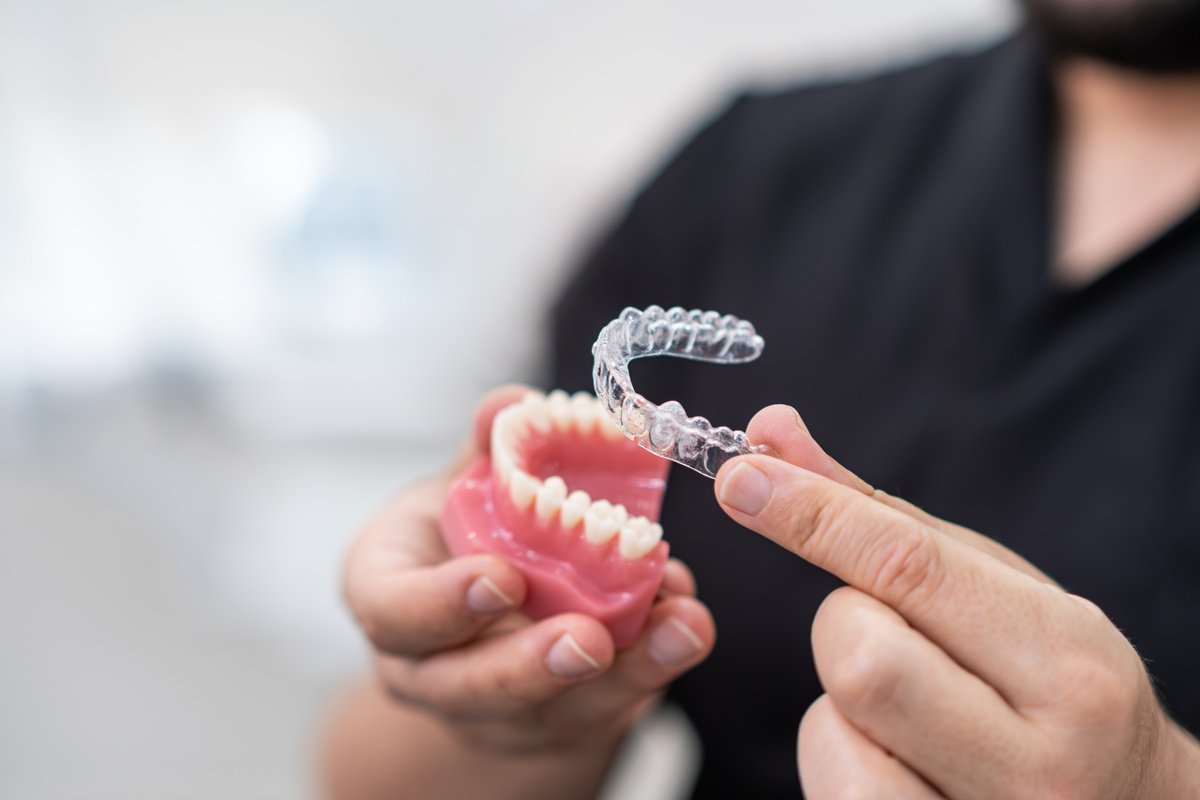
Thinking about straightening your teeth but can’t decide between invisible aligners or traditional metal braces? You’re not alone. This decision comes down to your unique dental needs, lifestyle, and personal preferences, and each option offers distinct advantages for different situations. While braces have been the go-to solution for decades, clear aligners like ProMonitoring have changed orthodontic treatment with their nearly invisible appearance and removable convenience.
At Newport Beach Dental Center, Dr. Laura Sharbash, DDS, FAGD, D.ABDSM, helps patients weigh this decision daily. From teenagers to adults seeking a confidence boost, understanding the differences between ProMonitoring clear aligners and traditional braces can help you make the best decision for your smile.
How Do Clear Aligners Work?
Clear aligners use a sequence of custom-made, transparent trays that shift your teeth into their ideal alignment. ProMonitoring, a leading clear aligner system, uses modern 3D imaging technology to design a personalized treatment plan unique to each patient. The ProMonitoring process includes the following steps:
- Initial consultation with detailed 3D scans of your mouth
- Creation of a customized treatment plan showing the progression of tooth movement
- A series of aligners changed approximately every one to two weeks
- Regular check-ins with your dentist to assess progress
One significant advantage of ProMonitoring aligners is their remote monitoring technology, which allows your dentist to track your progress between office visits. This digital monitoring helps keep your treatment on track while minimizing unnecessary appointments. Our full clear aligner treatment timeline breaks this process down stage by stage if you want a closer look at what each phase involves.
Understanding Traditional Braces
Traditional braces are made of metal or ceramic brackets secured to your teeth with a wire running through them. This system applies continuous pressure to move teeth gradually into the desired position. Modern braces are smaller and more comfortable than their predecessors, offering:
- Consistent pressure that effectively treats even complex alignment issues
- Non-removable design that ensures constant treatment
- Regular adjustments by your dentist to maintain progress
- Options include metal, ceramic, or lingual (behind-the-teeth) brackets
Traditional braces continue to be an excellent choice for patients with severe misalignment, significant bite issues, or those who might struggle with the discipline needed for aligner therapy.
Comparing Comfort and Convenience
Both treatment options have different comfort considerations, including the time you wear the device, the number of dental visits needed for treatment, and interference with eating and speaking.
Clear Aligners (ProMonitoring)
Clear aligners have several significant advantages compared to braces, including:
- Removable for eating, drinking, and oral hygiene
- No food restrictions during treatment
- Minimal speech interference after initial adjustment
- No emergency visits for broken or painful wires or brackets
- Fewer and shorter dental appointments due to remote monitoring capabilities
However, clear aligners may not be suitable for all orthodontic conditions, including severe misalignment and bite issues. Because aligners are removable, they also require more discipline: our aligner care and maintenance guide covers what that daily commitment actually looks like, from cleaning routines to handling them while eating out or traveling.
Traditional Braces
Here are several factors you should consider before getting traditional braces:
- Fixed to teeth 24/7 throughout treatment
- Certain food restrictions (sticky, hard, or chewy foods)
- May cause some initial discomfort after adjustments
- Potential for emergency visits if components break
- Regular in-office adjustments required
While many people view clear aligners as the more comfortable and convenient option, traditional braces are a solid solution for anyone who cannot commit to the requirements of clear aligners or has dental conditions that clear aligners cannot treat. Our guide to which bite issues clear aligners can and cannot correct can help you get a clearer sense of which category your case falls into before your consultation.
Treatment Time and Effectiveness
While the duration of your treatment depends on your specific dental needs, there are several general differences between the options:
- ProMonitoring clear aligners work well for mild to moderate alignment issues, with treatment typically lasting six to 18 months. Their effectiveness relies partly on patient compliance, which must be worn 20-22 hours daily to achieve optimal results.
- Traditional braces are often suggested for complex cases and can treat a broader range of orthodontic issues. Treatment time typically ranges from 18 months to three years, depending on severity. Since they’re permanently attached, compliance isn’t a concern.
A 2025 comparative study published in the journal Bioinformation found that patients treated with clear aligners averaged 18.2 months of active treatment, compared to 14.5 months for those treated with fixed appliances, a statistically significant difference the researchers attributed in part to the sequential nature of aligner movements and to variability in patient compliance over the course of treatment. This lines up with what we generally see in practice: aligners can be an excellent fit for the right case, but they ask more of the patient day to day than braces do.
What About Cost?
Cost is often the deciding factor once comfort and treatment time have been weighed. Pricing for both options depends heavily on case complexity, the length of treatment, and the level of clinical oversight involved. Our clear aligner cost guide breaks down what typically factors into pricing in Newport Beach, including insurance and financing options that may apply to either treatment path.
Trust Newport Beach Dental Center For Your Orthodontic Treatment
At Newport Beach Dental Center, we understand choosing between ProMonitoring clear aligners and traditional braces is an important decision. Dr. Laura Sharbash, DDS, FAGD, D.ABDSM, brings extensive experience to every consultation, having completed over 500 hours of continuing education to stay current with advances in dental care. As a Fellow of the Academy of General Dentistry, an honor held by only about 6 percent of general dentists in the U.S. and Canada, Dr. Sharbash is devoted to helping patients find the orthodontic approach that actually fits their needs.
Ready to explore your options for a straighter, healthier smile? We invite you to schedule a personalized consultation where Dr. Sharbash can assess your specific dental situation and help determine whether ProMonitoring clear aligners or traditional braces would better serve your orthodontic goals. Our practice has served the Newport Beach community since 1985, providing compassionate, state-of-the-art dental care. Contact us today through our contact form to take the first step toward your smile goals.
Frequently Asked Questions About Clear Aligners and Braces
Are clear aligners as effective as traditional braces?
For many mild to moderate alignment issues, clear aligners can achieve results comparable to braces. Braces tend to have an edge for more complex movements, such as significant bite correction or controlling how individual teeth rotate, which is why a dental evaluation is the best way to determine which option fits your specific case.
Can adults get traditional braces, or are they mainly for teens?
Adults make up a significant share of orthodontic patients today, and traditional braces remain a common and effective option at any age, particularly for more complex cases. The right choice depends on your bite, your lifestyle, and your treatment goals rather than your age alone.
What happens if I am not disciplined enough to wear my aligners consistently?
Inconsistent wear is one of the most common reasons aligner treatment takes longer than expected or requires additional refinement trays. If you are concerned about staying consistent with a removable appliance, traditional braces remove that variable entirely since they stay on your teeth throughout treatment.
Which option is less expensive, clear aligners or braces?
Cost depends more on case complexity and treatment length than on which appliance you choose. Our clear aligner cost guide covers what typically factors into pricing, and the same variables, case complexity, monitoring, and duration, generally apply to braces as well.
How do I know which option is right for my bite?
A consultation that includes digital scans and a bite evaluation is the most reliable way to know. Dr. Sharbash will assess the type and severity of your alignment issue and walk you through whether clear aligners, traditional braces, or a combined approach best fits your goals.