Newport Beach's Trusted Dental Team

(949) 760-9212 Schedule Now

The Dental Implant Process: What to Expect From Consultation to Crown

Medically Reviewed by Dr. Laura Sharbash, DDS, FAGD, D.ABDSM on September 24, 2026

Selective focus of female patient lying on dental chair with open mouth while professional dentist wearing protective gloves checking teeth. Concept of health and care procedures.

Sitting in the consultation chair with a gap where a tooth used to be is a strange kind of limbo. You know you need a solution, but the process ahead can feel like a mystery: how many appointments, how much healing time, what actually happens to the bone underneath.

Understanding each stage in advance turns that uncertainty into something manageable.

At Newport Beach Dental Center, we walk patients through every phase of dental implant treatment, from the first evaluation to the moment a new crown is seated. Dr. Laura Sharbash, DDS, FAGD, D.ABDSM, works alongside a periodontist and implant specialist who performs the surgical placement, bone grafting, and sinus lifts when needed, so the full scope of implant care stays under one roof.

The Initial Consultation

The first visit is about gathering information, not making assumptions. We take detailed images of the jaw, including 3D scans that reveal bone density and the position of nerves and sinuses. This diagnostic step matters because implants rely on fusing with healthy bone, and every patient’s anatomy tells a different story.

We also review medical history, current medications, and any prior tooth loss or gum disease. Patients who have dealt with periodontal issues in the past may need additional preparation before an implant can move forward, and we would rather identify that early than midway through treatment. This is also the point where we discuss restorative dentistry options as a whole because implants are sometimes paired with crowns, bridges, or other restorations, depending on how many teeth are missing.

Preparing the Foundation

Not every patient has enough bone volume to support an implant right away, and the two most common solutions address this challenge in different parts of the jaw.

Bone Grafting and Sinus Lifts

Years of tooth loss can cause the jawbone to shrink, and the sinus cavity can also shift lower over time in the upper jaw. When that happens, we rely on bone grafting or a sinus lift to rebuild a stable foundation before the implant itself is ever placed.

A bone graft adds material to thin or weakened areas of the jaw, giving the bone time to regenerate and strengthen over several months. A sinus lift addresses the specific challenge of the upper back jaw, gently raising the sinus floor to create room for an implant post. Our periodontist, Dr. Jeremy Owyoung, performs these procedures alongside implant placement, which means patients do not need to be referred elsewhere for surgical care.

Why Healing Time Matters

Grafted bone needs time to integrate before it can reliably support an implant post. Rushing this stage risks implant failure down the line, so we build healing windows into the treatment timeline rather than skipping ahead. Patience here pays off in long-term stability.

Placing the Implant

Once the jaw is ready, the implant post, a small titanium fixture, is surgically positioned into the bone. This step is done under local anesthesia, and most patients describe the recovery as far more manageable than they expected. Mild swelling and tenderness are common for a few days afterward.

The real work happens quietly over the following months, as the bone fuses to the implant surface through a process called osseointegration. This fusion is what gives a dental implant its strength and stability, closely mimicking the function of a natural tooth root. We schedule check-ins throughout this window to confirm healing is progressing as expected.

Patients often ask what they can do to support healing during this stage. The following habits make a meaningful difference:

  • Avoid smoking, which can slow bone healing and increase the risk of implant failure
  • Stick to soft foods for the first several days after surgery
  • Keep the surgical site clean using the rinsing instructions we provide
  • Attend every follow-up visit so we can monitor osseointegration

Following these steps closely gives the implant the best possible chance of long-term success.

Restoring the Tooth With a Crown

Once osseointegration is complete, we attach an abutment to the implant post, which serves as the connector for the final restoration. From there, we design a custom crown that matches the shape, color, and function of the surrounding teeth. Same-day options are even available for certain restorations through same-day crowns and bridges, which can shorten the overall timeline for some patients.

According to the National Institute of Dental and Craniofacial Research, adults aged 20 to 64 have an average of 25.5 remaining teeth, a number that has climbed slightly over the past two decades as restorative options like implants have become more accessible. That data point reflects something we see in our own patients every week: replacing a missing tooth is not just about appearance, but about protecting the function and health of the rest of the smile.

Life With a Dental Implant

A well-placed implant functions like a natural tooth for years to come. Routine brushing, flossing, and regular dental visits are typically all that is needed to keep it healthy, and there is no special maintenance routine required beyond good oral hygiene. Many patients tell us they forget which tooth is the implant within a few months.

Dr. Laura Sharbash, DDS, FAGD, D.ABDSM, brings a conservative, biomimetic approach to every stage of implant treatment, and her collaboration with a periodontist and implant specialist means surgical and restorative care are coordinated from day one rather than handled by separate offices.

Schedule Your Consultation With Newport Beach Dental Center

Every implant case is different, and the timeline above shifts depending on bone health, the number of teeth involved, and whether grafting is needed. The best way to understand what your own treatment plan would look like is a personalized evaluation with our team.

Our team, including Dr. Laura Sharbash and the periodontist she works alongside, is ready to walk you through what your specific case would involve. If you are ready to explore whether dental implants are right for you, contact our office to schedule your consultation.

Frequently Asked Questions About the Dental Implant Process

How long does the entire dental implant process take from consultation to final crown?

The full process typically spans several months to a year, depending largely on whether bone grafting or a sinus lift is needed before placement. Straightforward cases with adequate bone can move from consultation to final crown more quickly, while cases requiring grafting need additional healing time built into the timeline.

Do I need a bone graft or sinus lift before every implant?

No, bone grafting and sinus lifts are only needed when imaging shows insufficient bone volume to support the implant. Many patients have enough healthy bone to proceed directly to placement, which is one of the things evaluated during the initial consultation.

Is dental implant placement painful?

The placement procedure is done under local anesthesia, and most patients describe the recovery as more manageable than expected, with mild swelling and tenderness for a few days afterward. Sedation options are also available for patients who prefer a more relaxed experience.

How do I know if I am a good candidate for a dental implant?

Good candidacy generally depends on having adequate bone density, healthy gums, and manageable overall health, all of which are assessed through 3D imaging and a review of your medical history during the consultation. Patients with prior gum disease may need additional preparation first.

What happens if the implant does not fuse with the bone?

Implant failure during osseointegration is uncommon but can happen, often related to infection, insufficient bone integration, or excess stress on the implant before healing is complete. Regular follow-up visits during the healing period allow your dental team to catch and address concerns early.

About the Author

Dr. Laura Sharbash, DDS, FAGD, D.ABDSM

Newport Beach Dental Center

Dr. Sharbash brings a conservative, biomimetic approach to implant treatment planning at Newport Beach Dental Center, coordinating closely with the practice’s periodontist and implant specialist. She holds Fellowship in the Academy of General Dentistry, an honor held by fewer than 6% of dentists nationwide.

7 Ways to Increase the Longevity of Your Dental Implant

A detailed close-up of a dental implant model showing tooth structure, titanium screws, and bone cross-section, ideal for educational or medical use

The best ways to make a dental implant last are to keep the gum and bone around it free of plaque, see your dental team for regular checkups and cleanings, stop smoking, protect the implant from grinding and hard biting forces, and act quickly on any bleeding or swelling around it. The implant post itself cannot decay, but the tissue that holds it in place can become inflamed and break down, and that is the most common reason implants run into trouble years after they are placed. With good care, many implants continue to function for decades.

You’ve taken the leap and invested in dental implants that allow you to bite into your favorite foods without worry and flash your best smile in photos. At Newport Beach Dental Center, Dr. Laura Sharbash, DDS, FAGD, D.ABDSM, works alongside our in-house periodontist so implant care, from surgical placement to the final restoration and the years of maintenance that follow, happens in one office. Here are seven practical strategies to extend the life of your dental implant.

How Long Do Dental Implants Last?

Dental implants have one of the strongest long-term track records in dentistry, but they are not permanent by default. A 2024 meta-analysis of 20-year dental implant survival published in Clinical Oral Investigations found mean survival rates of about 92% in prospective studies (78% once missing follow-up data were accounted for) and 88% in retrospective studies after 20 years, which the authors summarized as roughly 4 out of 5 implants still in place at two decades. The same review stressed that failures had multiple causes and that follow-up care should not stop after placement, or even after 10 years.

92%
mean 20-year implant survival in prospective studies
88%
mean 20-year implant survival in retrospective studies
4 in 5
implants still in place after two decades

It also helps to separate the implant from the crown on top of it. The titanium post fused to your jawbone is designed to be long-term, while the crown, bridge, or denture it supports is subject to everyday wear and may need replacement at some point, much like any other restoration.

1. Practice Excellent Oral Hygiene

Maintaining high-quality oral hygiene is crucial for implant longevity. Unlike natural teeth, implants don’t develop cavities, but they remain susceptible to the harmful effects of plaque buildup along the gumline. Because of this, your daily care routine should include:

  • Brushing at least twice daily with a soft-bristled toothbrush
  • Flossing around the implant with a floss threader or implant-safe floss
  • Using an antimicrobial mouth rinse to reduce bacteria
  • Cleaning with interdental brushes or a water flosser to reach difficult areas around the implant

Remember that the tissue surrounding your implant requires special attention to stay healthy. We recommend gently cleaning along the gumline as part of your routine to prevent inflammation and infection, which can ultimately result in implant failure. Avoid abrasive whitening toothpastes and metal-tipped tools, which can scratch the crown and the exposed parts of the implant.

2. Schedule Regular Dental Checkups

Professional monitoring plays a vital role in extending the life of your implant. During these exams, your dentist can detect early warning signs of potential issues before they become serious problems.

At your dental checkups, we will examine the implant for stability, evaluate the surrounding gum tissue, and take periodic X-rays to check bone levels around the implant. Professional cleanings are also recommended to remove hardened plaque (tartar) that home care might miss, using instruments that are safe for implant surfaces. We suggest that most patients visit every six months, though your dentist may recommend more frequent appointments based on your specific needs, especially if you have a history of gum disease.

3. Avoid Harmful Habits

Certain habits can place excessive stress on your implant, potentially leading to complications or failure. Eliminating these behaviors can significantly improve implant longevity.

Smoking is particularly damaging as it restricts blood flow to the gums, impairs healing, and increases infection risk. Other habits to avoid include using your teeth as tools (opening packages, biting fingernails), grinding or clenching your teeth, and chewing extremely hard foods like ice or hard candy.

4. Wear Night Guards When Recommended

If you grind or clench your teeth at night (bruxism), the excessive force can damage both natural teeth and implants. Unlike a natural tooth, an implant has no ligament cushioning it in the bone, so heavy repeated forces travel more directly to the crown, the connecting screw, and the bone around the post.

A custom-fitted night guard creates a protective barrier between your upper and lower teeth, distributing pressure evenly and preventing damage to your implant restoration. While over-the-counter options exist, a professionally made night guard offers better protection and comfort.

5. Maintain Quality Overall Health

Your general health can significantly impact the success of your dental implant. Certain medical conditions can affect bone health and the healing capacity around implants.

Conditions requiring extra vigilance include diabetes, osteoporosis and the medications used to treat it, cancer treatments such as head and neck radiation, and autoimmune disorders. Managing these conditions through proper medical care, medication, diet, and lifestyle choices helps maintain the strong bone and healthy tissue needed to support your dental implants. Always tell your dental team about any health changes or new medications during your routine exams so your care plan can be adjusted for your situation.

6. Choose Foods Wisely

While dental implants restore near-natural biting force, they can still benefit from mindful food choices. A well-balanced diet full of calcium, vitamin D, and protein supports bone health and, in return, your implant.

Be cautious while eating extremely hard foods, as they could damage the crown portion of your implant. Similarly, very sticky foods might dislodge crowns if they aren’t fully secured. Cutting harder foods into smaller pieces and chewing with teeth on both sides of your mouth can distribute pressure more evenly and protect the long-term health of your dental implant.

7. Respond Quickly to Problems

If you notice any unusual symptoms around your implant, seeking prompt professional care can prevent minor issues from becoming major problems. Warning signs that deserve a call to our office include:

Bleeding or Swelling
Bleeding or swollen gums around the implant, especially when you brush or floss.
Pain When Chewing
Discomfort or pain when you bite down on the implant side.
Gum Recession
Visible recession of the gum line or metal showing near the crown.
A Loose Crown
Any movement or clicking in the crown or the implant itself.
Bad Breath or Taste
Persistent bad breath or an unusual taste coming from the implant area.

Early intervention for conditions like peri-implantitis can sometimes mean the difference between saving and losing your implant. If you experience any of these symptoms, please contact us for a prompt appointment so your implant has the best chance of lasting.

Peri-Implant Disease: The Biggest Long-Term Threat

Most implant problems that show up years later start in the gums. Peri-implant disease comes in two stages, and knowing the difference explains why the habits above matter so much.

  Peri-Implant Mucositis Peri-Implantitis
What is affected Gum tissue around the implant Gum tissue and supporting bone
Common signs Redness, swelling, bleeding Bleeding, deeper pockets, bone loss on X-ray
Reversible? Usually, with cleaning and better home care Lost bone does not fully return; treatment aims to stop it

People with a history of gum disease, smokers, and patients with poorly controlled diabetes tend to be at higher risk, which is why controlling any active gum disease matters before and after implant treatment. If you have had periodontal problems in the past, our gum disease treatment and periodontal care help keep the foundation around your implants healthy, and our post on how to know if you need to see a periodontist covers the warning signs.

Implant Care Starts Before the Implant Is Placed

Longevity is shaped long before your first cleaning. Careful planning, enough healthy bone, and good healing in the first few months all set the stage for the years that follow. If you are still early in the process, our guides to the dental implant process from consultation to crown and what to expect on the day of implant surgery explain each stage. Patients replacing a full arch can also read about implant-supported dentures, which follow many of the same care principles.

Trust Your Dental Implant Care to Newport Beach Dental Center

Dental implants are a considerable investment in oral health and quality of life. At Newport Beach Dental Center, Dr. Laura Sharbash combines more than 13 years of private practice experience with a commitment to personalized care for each patient. As a Fellow of the Academy of General Dentistry (FAGD), a designation held by fewer than 6 percent of general dentists in the United States, and a Diplomate of the American Board of Dental Sleep Medicine (D.ABDSM), she brings a thorough, conservative approach to protecting your implants over the long term.

We partner with you to support the longevity of your implant through comprehensive care and maintenance. For more information about dental implants or to schedule your next checkup, fill out our contact form.

Frequently Asked Questions About Dental Implant Longevity

Can a dental implant last a lifetime?

Many implants last for decades, and a 2024 review of 20-year data found that roughly 4 out of 5 implants were still in place after two decades. How long yours lasts depends on your gum health, bone quality, habits like smoking or grinding, and how consistently you keep up with home care and professional visits.

Will the crown on my implant need to be replaced?

It may at some point. The implant post in the bone is designed to be long term, while the crown on top is exposed to chewing forces and everyday wear. If a crown chips, wears, or loosens, it can often be repaired or replaced without disturbing the implant underneath.

Can a failing dental implant be saved?

Sometimes, especially when problems are caught early. Inflammation limited to the gums around an implant can often be reversed with professional cleaning and better home care. When bone loss has already started, treatment focuses on stopping further loss, and the earlier it begins, the better the chances of keeping the implant.

Is a water flosser good for dental implants?

A water flosser can be a helpful addition for cleaning around implants, bridges, and implant-supported dentures, particularly in areas that are hard to reach with string floss. It works best alongside brushing and interdental brushes rather than as a replacement, and we can show you the technique that suits your restoration.

Does smoking affect dental implants?

Yes. Smoking reduces blood flow to the gums, slows healing after placement, and is linked to a higher risk of inflammation and bone loss around implants. Quitting, or at least cutting back significantly, is one of the most effective steps you can take to protect your implant over the long term.

How to Know If You Need Dental Implants

Medically Reviewed by Dr. Laura Sharbash, DDS, FAGD, D.ABDSM on September 25, 2026

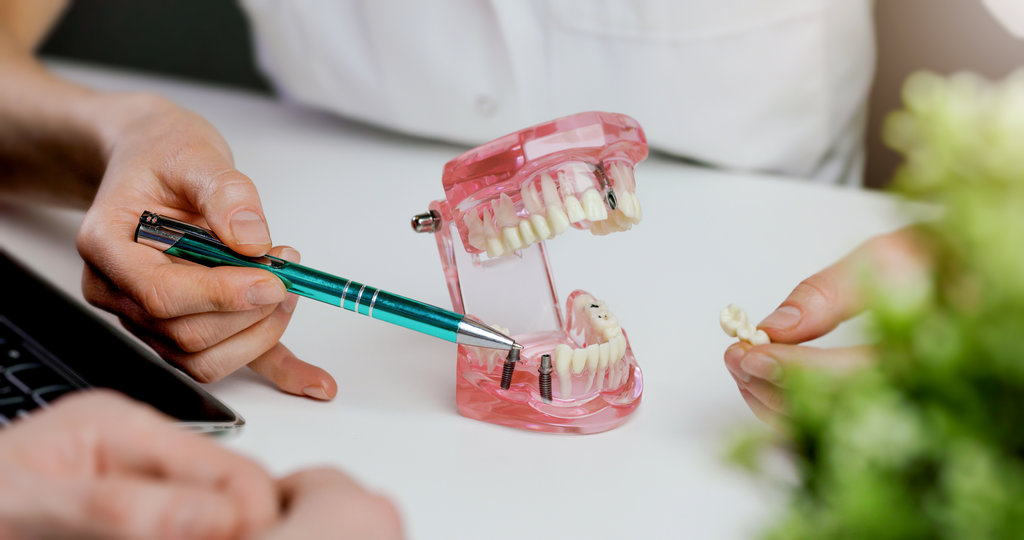
dentist implantologist showing dental implant technology on tooth jaw model to patient. visit in clinic office

Missing teeth can negatively affect more than just your smile; they can hinder your ability to eat comfortably, speak clearly, and feel confident in social and professional situations. You may need a dental implant if you are missing one or more teeth, have a tooth that cannot be saved, struggle with loose dentures, or are starting to notice bone loss where a tooth used to be. A dental exam with 3D imaging is what confirms whether an implant is the right fit for you.

At Newport Beach Dental Center, Dr. Laura Sharbash understands that deciding on dental implants is a significant investment. We are here to answer your questions and guide you through the signs indicating implants could benefit your oral health and overall quality of life, along with the other tooth replacement options worth comparing.

Signs You Might Need Dental Implants

Here are some key indicators that dental implants might be the right solution for your dental condition.

You’re Missing One or More Teeth

This may seem obvious, but it’s the primary reason people consider dental implants. If you’ve lost teeth or need a tooth extracted due to decay, injury, or periodontal disease, implants deliver a long-lasting solution that looks and acts like natural teeth.

Open spaces left by missing teeth can cause several problems beyond appearance, including:

  • The remaining teeth may shift into the space
  • Bone loss can happen in the jaw where the tooth root is missing
  • Your bite alignment may change, potentially causing discomfort or difficulty chewing
  • Your facial structure might alter over time, leading to a prematurely aged appearance

Unlike dentures or bridges, implants replace both the visible segment of the tooth and the root, helping maintain bone health and facial structure.

You’re Struggling with Loose or Uncomfortable Dentures

Dental implants might be a better solution if you’ve tried dentures but find them uncomfortable, unstable, or limiting. Many denture-wearers struggle with the following issues:

  • Slipping or clicking dentures when speaking or eating
  • Discomfort or sore spots from poorly fitting appliances
  • Restrictions in food choices due to chewing difficulties
  • Embarrassment when dentures move unexpectedly

Implant-supported dentures offer significantly improved stability and comfort compared to traditional dentures. They’re secured to implants rather than resting on your gums, eliminating many common denture complaints.

You Have a Cracked or Severely Damaged Tooth

Not all damaged or infected teeth can be saved with fillings, crowns, or root canals. If your tooth has extensive damage, especially below the gum line, extraction followed by an implant may be the best long-term solution.

Dr. Sharbash will always try to save your natural teeth whenever possible, but in some cases, starting fresh with an implant provides better outcomes for your overall oral health.

You’re Experiencing Bone Loss in Your Jaw

When teeth are missing, the jawbone begins to break down because the tooth root and chewing pressure no longer stimulate it. This bone loss can progress over time, potentially affecting your facial appearance and making future implant placement more challenging.

According to the American Academy of Implant Dentistry, dental implants are the only tooth replacement option that helps prevent bone loss by simulating the root of a natural tooth and providing the necessary stimulation to maintain bone density. The same source notes that studies show success rates above 95 percent for the implant restoration process. If bone has already thinned, a bone graft or a sinus lift can often rebuild enough support for an implant.

Quality of Life Considerations

Sometimes the need for dental implants isn’t just about physical symptoms, but improving your quality of life. If you find yourself identifying with the following situations, dental implants may be an ideal solution:

  • If you’re avoiding social situations due to embarrassment about missing teeth
  • If you can’t enjoy your favorite foods because of difficulty chewing
  • If you’re concerned about the long-term maintenance of bridges or dentures
  • If you want a permanent solution rather than replacements every few years

These lifestyle considerations are just as important as the physical indicators when determining if dental implants are right for you.

Implants vs. Bridges vs. Dentures

An implant is not the only way to replace a missing tooth, and comparing the options side by side can make your decision clearer. The table below outlines how the three most common choices differ.

Factor Dental Implant Dental Bridge Removable Denture
Replaces the root Yes No No
Effect on neighboring teeth Stands on its own Adjacent teeth are shaped for crowns Partials may clasp onto nearby teeth
Helps preserve jawbone Yes No No
Stability when eating Fixed in place Fixed in place Can shift or slip
Treatment timeline Several months, including healing A few weeks A few weeks
Upfront cost Highest Moderate Lowest

A dental bridge can still be a good fit when neighboring teeth already need crowns or when surgery is not the right choice, so we walk through every option during your consultation.

What Makes a Good Dental Implant Candidate?

Dental implants are a strong solution for many people. Good candidates typically have the following qualities:

  • Healthy gums
  • Sufficient bone density in the jaw (though bone grafting can be used to address deficiencies)
  • Good overall health
  • Commitment to excellent oral hygiene
  • Patience for a process that may take several months to complete

If you smoke, have uncontrolled diabetes, or have had radiation therapy to the jaw area, special considerations may be necessary when determining if implants are appropriate. Active gum disease is usually treated first, since healthy gums are part of what helps an implant succeed over the long term.

What Happens After You Decide

Once you and your dental team agree that an implant makes sense, treatment moves through a series of planned stages: detailed imaging, any needed bone grafting, placement of the implant post, a healing period while the bone fuses to the implant, and finally the custom crown. Our step-by-step guide to the dental implant process from consultation to crown explains each stage in more detail.

At our practice, Dr. Sharbash works alongside periodontist Dr. Jeremy Owyoung, a Diplomate of the American Board of Periodontology who holds a certificate in periodontics and implant dentistry and handles the surgical side of implant care. That collaboration keeps surgical and restorative care coordinated in one office.

The Next Step: Professional Evaluation at Newport Beach Dental Center

While this guide provides general information, only a professional evaluation can determine if dental implants suit your situation. At Newport Beach Dental Center, Dr. Laura Sharbash offers comprehensive consultations to assess your oral health and discuss all available options.

Dr. Laura Sharbash, DDS, FAGD, D.ABDSM, brings a conservative, biomimetic approach and a genuine concern for your comfort and well-being to every implant consultation. If you’re wondering whether dental implants might be right for you, we invite you to schedule a consultation by visiting our contact page.

Frequently Asked Questions About Needing Dental Implants

Is it bad to leave a missing tooth unreplaced?

Leaving a gap can lead to problems over time. Neighboring teeth may drift into the space, the opposing tooth can over-erupt, your bite can change, and the jawbone where the root used to be gradually shrinks. Replacing the tooth sooner rather than later usually keeps more options open and may reduce the need for bone grafting.

Can I get a dental implant if I have bone loss?

Often, yes. When imaging shows the jawbone is too thin to support an implant, a bone graft or sinus lift can rebuild the area first. This adds healing time to the overall timeline, but it allows many patients with bone loss to move forward with an implant.

Am I too old for dental implants?

There is no upper age limit for dental implants. Overall health, bone quality, gum health, and your ability to heal matter far more than age. Many older adults choose implants, especially to stabilize dentures, after a review of their medical history and current medications.

How long do dental implants last?

With good oral hygiene and regular dental visits, the implant post itself can last for many years and often decades. The crown on top experiences daily wear and may eventually need replacement. Avoiding smoking, managing grinding with a night guard, and keeping gums healthy all help an implant last.

Is a dental implant better than a bridge?

An implant replaces the tooth root and does not require reshaping the neighboring teeth, which is why it is often the preferred long-term option. A bridge can be a better fit when the adjacent teeth already need crowns, when bone or health factors make surgery less suitable, or when a shorter timeline is a priority.

About the Author

Dr. Laura Sharbash, DDS, FAGD, D.ABDSM

General Dentist | Newport Beach Dental Center

Dr. Sharbash earned her DDS from the SUNY Buffalo School of Dental Medicine and brings more than 13 years of private practice experience to Newport Beach Dental Center. She is a Fellow of the Academy of General Dentistry and coordinates implant treatment planning with the practice’s periodontist so surgical and restorative care stay under one roof.

We Are Here For You