
Medically Reviewed by Dr. Laura Sharbash, DDS, FAGD, D.ABDSM on September 25, 2026
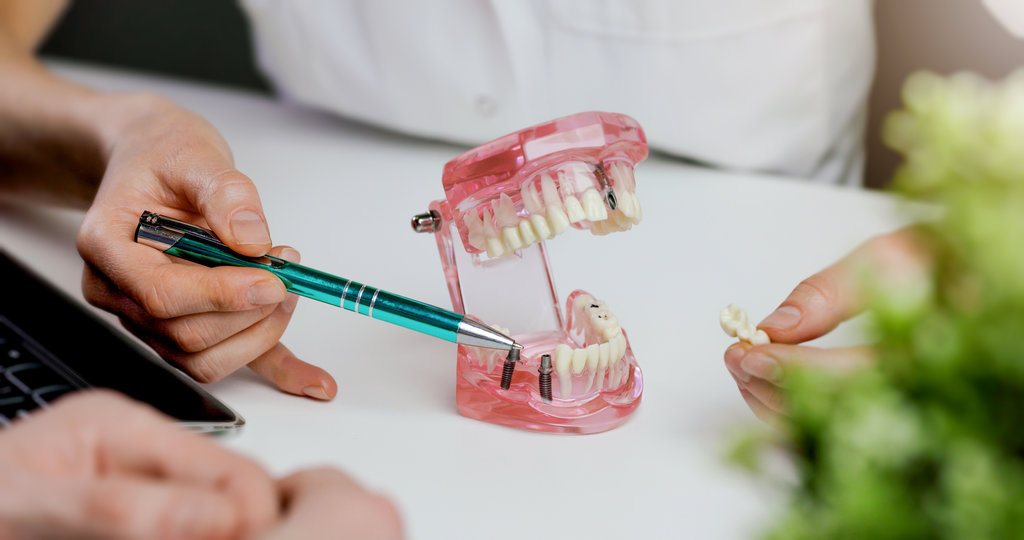
Missing teeth can negatively affect more than just your smile; they can hinder your ability to eat comfortably, speak clearly, and feel confident in social and professional situations. You may need a dental implant if you are missing one or more teeth, have a tooth that cannot be saved, struggle with loose dentures, or are starting to notice bone loss where a tooth used to be. A dental exam with 3D imaging is what confirms whether an implant is the right fit for you.
At Newport Beach Dental Center, Dr. Laura Sharbash understands that deciding on dental implants is a significant investment. We are here to answer your questions and guide you through the signs indicating implants could benefit your oral health and overall quality of life, along with the other tooth replacement options worth comparing.
Signs You Might Need Dental Implants
Here are some key indicators that dental implants might be the right solution for your dental condition.
You’re Missing One or More Teeth
This may seem obvious, but it’s the primary reason people consider dental implants. If you’ve lost teeth or need a tooth extracted due to decay, injury, or periodontal disease, implants deliver a long-lasting solution that looks and acts like natural teeth.
Open spaces left by missing teeth can cause several problems beyond appearance, including:
- The remaining teeth may shift into the space
- Bone loss can happen in the jaw where the tooth root is missing
- Your bite alignment may change, potentially causing discomfort or difficulty chewing
- Your facial structure might alter over time, leading to a prematurely aged appearance
Unlike dentures or bridges, implants replace both the visible segment of the tooth and the root, helping maintain bone health and facial structure.
You’re Struggling with Loose or Uncomfortable Dentures
Dental implants might be a better solution if you’ve tried dentures but find them uncomfortable, unstable, or limiting. Many denture-wearers struggle with the following issues:
- Slipping or clicking dentures when speaking or eating
- Discomfort or sore spots from poorly fitting appliances
- Restrictions in food choices due to chewing difficulties
- Embarrassment when dentures move unexpectedly
Implant-supported dentures offer significantly improved stability and comfort compared to traditional dentures. They’re secured to implants rather than resting on your gums, eliminating many common denture complaints.
You Have a Cracked or Severely Damaged Tooth
Not all damaged or infected teeth can be saved with fillings, crowns, or root canals. If your tooth has extensive damage, especially below the gum line, extraction followed by an implant may be the best long-term solution.
Dr. Sharbash will always try to save your natural teeth whenever possible, but in some cases, starting fresh with an implant provides better outcomes for your overall oral health.
You’re Experiencing Bone Loss in Your Jaw
When teeth are missing, the jawbone begins to break down because the tooth root and chewing pressure no longer stimulate it. This bone loss can progress over time, potentially affecting your facial appearance and making future implant placement more challenging.
According to the American Academy of Implant Dentistry, dental implants are the only tooth replacement option that helps prevent bone loss by simulating the root of a natural tooth and providing the necessary stimulation to maintain bone density. The same source notes that studies show success rates above 95 percent for the implant restoration process. If bone has already thinned, a bone graft or a sinus lift can often rebuild enough support for an implant.
Quality of Life Considerations
Sometimes the need for dental implants isn’t just about physical symptoms, but improving your quality of life. If you find yourself identifying with the following situations, dental implants may be an ideal solution:
- If you’re avoiding social situations due to embarrassment about missing teeth
- If you can’t enjoy your favorite foods because of difficulty chewing
- If you’re concerned about the long-term maintenance of bridges or dentures
- If you want a permanent solution rather than replacements every few years
These lifestyle considerations are just as important as the physical indicators when determining if dental implants are right for you.
Implants vs. Bridges vs. Dentures
An implant is not the only way to replace a missing tooth, and comparing the options side by side can make your decision clearer. The table below outlines how the three most common choices differ.
| Factor | Dental Implant | Dental Bridge | Removable Denture |
|---|---|---|---|
| Replaces the root | Yes | No | No |
| Effect on neighboring teeth | Stands on its own | Adjacent teeth are shaped for crowns | Partials may clasp onto nearby teeth |
| Helps preserve jawbone | Yes | No | No |
| Stability when eating | Fixed in place | Fixed in place | Can shift or slip |
| Treatment timeline | Several months, including healing | A few weeks | A few weeks |
| Upfront cost | Highest | Moderate | Lowest |
A dental bridge can still be a good fit when neighboring teeth already need crowns or when surgery is not the right choice, so we walk through every option during your consultation.
What Makes a Good Dental Implant Candidate?
Dental implants are a strong solution for many people. Good candidates typically have the following qualities:
- Healthy gums
- Sufficient bone density in the jaw (though bone grafting can be used to address deficiencies)
- Good overall health
- Commitment to excellent oral hygiene
- Patience for a process that may take several months to complete
If you smoke, have uncontrolled diabetes, or have had radiation therapy to the jaw area, special considerations may be necessary when determining if implants are appropriate. Active gum disease is usually treated first, since healthy gums are part of what helps an implant succeed over the long term.
What Happens After You Decide
Once you and your dental team agree that an implant makes sense, treatment moves through a series of planned stages: detailed imaging, any needed bone grafting, placement of the implant post, a healing period while the bone fuses to the implant, and finally the custom crown. Our step-by-step guide to the dental implant process from consultation to crown explains each stage in more detail.
At our practice, Dr. Sharbash works alongside periodontist Dr. Jeremy Owyoung, a Diplomate of the American Board of Periodontology who holds a certificate in periodontics and implant dentistry and handles the surgical side of implant care. That collaboration keeps surgical and restorative care coordinated in one office.
The Next Step: Professional Evaluation at Newport Beach Dental Center
While this guide provides general information, only a professional evaluation can determine if dental implants suit your situation. At Newport Beach Dental Center, Dr. Laura Sharbash offers comprehensive consultations to assess your oral health and discuss all available options.
Dr. Laura Sharbash, DDS, FAGD, D.ABDSM, brings a conservative, biomimetic approach and a genuine concern for your comfort and well-being to every implant consultation. If you’re wondering whether dental implants might be right for you, we invite you to schedule a consultation by visiting our contact page.
Frequently Asked Questions About Needing Dental Implants
Is it bad to leave a missing tooth unreplaced?
Leaving a gap can lead to problems over time. Neighboring teeth may drift into the space, the opposing tooth can over-erupt, your bite can change, and the jawbone where the root used to be gradually shrinks. Replacing the tooth sooner rather than later usually keeps more options open and may reduce the need for bone grafting.
Can I get a dental implant if I have bone loss?
Often, yes. When imaging shows the jawbone is too thin to support an implant, a bone graft or sinus lift can rebuild the area first. This adds healing time to the overall timeline, but it allows many patients with bone loss to move forward with an implant.
Am I too old for dental implants?
There is no upper age limit for dental implants. Overall health, bone quality, gum health, and your ability to heal matter far more than age. Many older adults choose implants, especially to stabilize dentures, after a review of their medical history and current medications.
How long do dental implants last?
With good oral hygiene and regular dental visits, the implant post itself can last for many years and often decades. The crown on top experiences daily wear and may eventually need replacement. Avoiding smoking, managing grinding with a night guard, and keeping gums healthy all help an implant last.
Is a dental implant better than a bridge?
An implant replaces the tooth root and does not require reshaping the neighboring teeth, which is why it is often the preferred long-term option. A bridge can be a better fit when the adjacent teeth already need crowns, when bone or health factors make surgery less suitable, or when a shorter timeline is a priority.
About the Author
Dr. Laura Sharbash, DDS, FAGD, D.ABDSM
General Dentist | Newport Beach Dental Center
Dr. Sharbash earned her DDS from the SUNY Buffalo School of Dental Medicine and brings more than 13 years of private practice experience to Newport Beach Dental Center. She is a Fellow of the Academy of General Dentistry and coordinates implant treatment planning with the practice’s periodontist so surgical and restorative care stay under one roof.