
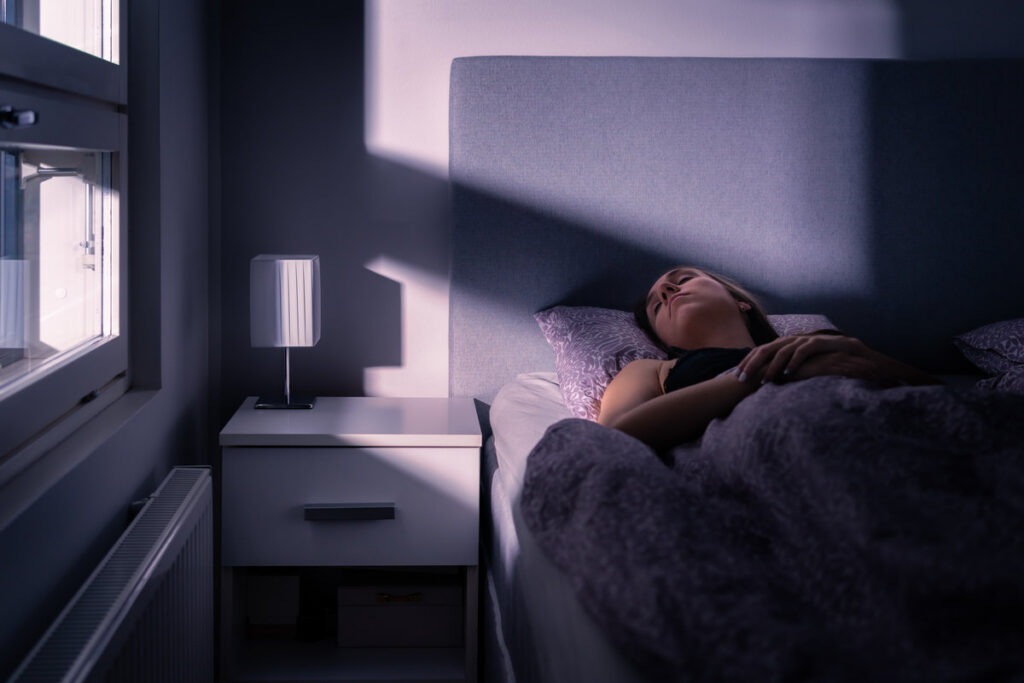
Most people picture a loud, rattling snore when they think of obstructive sleep apnea (OSA), but that assumption leaves a lot of people undiagnosed. If you wake up exhausted, struggle to concentrate, or feel like your sleep never really refreshes you, snoring may not be part of the picture at all.
At Newport Beach Dental Center, we help patients recognize the quieter signs of obstructive sleep apnea that often get missed. We can show you what to watch for and how obstructive sleep apnea treatment may help you breathe easier and sleep more soundly.
Why Snoring Is Not Always Present
Snoring happens when air struggles to move past relaxed tissue in the throat, but not every case of airway narrowing produces that sound. Some people have a different throat structure or a milder collapse that restricts airflow without enough vibration for anyone to hear. According to the National Center for Biotechnology Information, OSA involves repeated episodes of complete or partial upper airway collapse during sleep, and while loud snoring is a common symptom, excessive daytime sleepiness is one of the most common complaints.
This distinction is important to understand because many people assume a quiet night’s sleep means their breathing was never disrupted. In reality, the airway can narrow and reopen repeatedly through the night without producing a sound loud enough to wake a bed partner. Women, in particular, may experience symptoms that look nothing like the classic male presentation, which can make obstructive sleep apnea in women easier to overlook.
OSA Symptoms That Often Get Overlooked
The signs of OSA without snoring tend to show up during the day rather than at night, which is exactly why they get dismissed as stress, aging, or a busy schedule. Paying attention to how you feel while awake can reveal a nighttime breathing problem you never knew existed.
Daytime Signs to Watch For
Consider whether any of these patterns sound familiar before writing off constant tiredness as just part of your life:
- Morning headaches: Waking up with a dull headache that fades within an hour may be linked to disrupted breathing overnight.
- Daytime fatigue: Feeling drained no matter how many hours you spend in bed can signal fragmented, low-quality sleep.
- Difficulty concentrating: Trouble focusing at work or during conversations often traces back to disrupted rest cycles.
- Dry mouth on waking: Breathing through your mouth to compensate for a narrowed airway can leave your mouth parched.
- Irritability or mood changes: Poor sleep can affect mood and emotional regulation.
- Witnessed pauses in breathing: A partner may notice you stop breathing briefly even when there is no snoring.
If several of these feel familiar, it may be worth exploring whether your airway is the root cause rather than assuming you simply need more rest.
How We Identify Hidden Obstructive Sleep Apnea
Because the usual warning sign is absent, diagnosing OSA without snoring takes a more thorough conversation about your daily symptoms and sleep history. We start by asking detailed questions about your energy levels, focus, and how you feel first thing in the morning, because these clues often point toward disrupted breathing even when nights seem quiet.
From there, we may recommend an obstructive sleep apnea consultation to evaluate your airway and discuss whether a sleep study makes sense for your situation. Bringing a partner’s observations, such as noticing pauses in your breathing, can also help us see the full picture. Catching OSA earlier, before symptoms progress, gives you more options and may help you avoid the health risks tied to ignoring obstructive sleep apnea symptoms for too long.
Getting Relief Without Relying on Snoring as a Clue
Once we confirm an airway issue, there is more than one path to treatment. Depending on severity, a custom oral appliance repositions your jaw slightly during sleep to keep your airway open, offering a less bulky alternative for some patients who struggle with traditional options.
We also talk with patients about how an oral appliance compares to CPAP treatment, because knowing the differences upfront can make it easier to choose the option that fits your lifestyle. Your comfort, your diagnosis, and your daily routine all play a role. Better sleep may support sharper focus and steadier moods throughout the day.
Reach Out to Newport Beach Dental Center for Better Sleep
We know how frustrating it can feel to seem fine on paper while running on empty every day. Dr. Laura Sharbash is a Diplomate of the American Board of Dental Sleep Medicine and makes custom oral appliances for patients with obstructive sleep apnea, so we take the time to understand your specific symptoms and give you an accurate picture of what is happening while you sleep.
If mornings leave you drained more often than not, contact our office to schedule a consultation and find out whether an oral appliance could help you feel rested again.