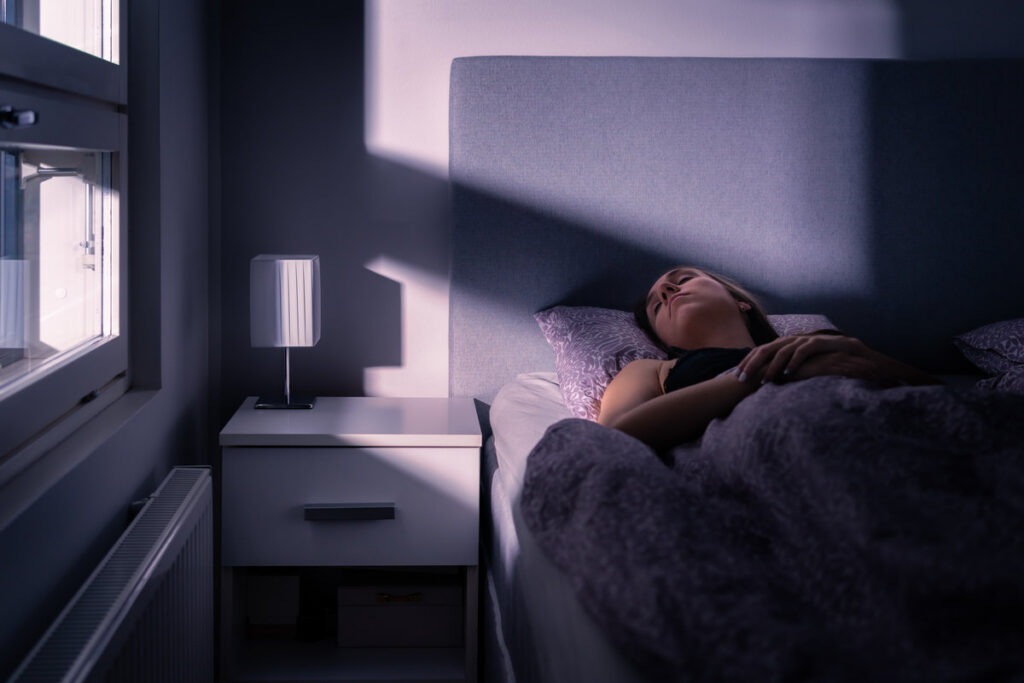
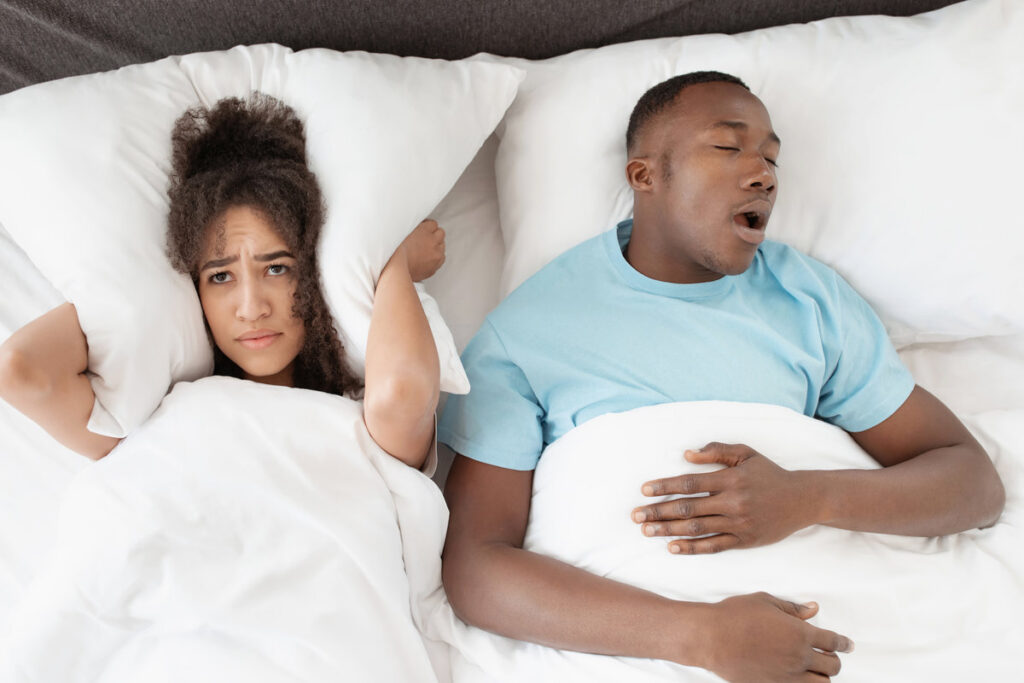
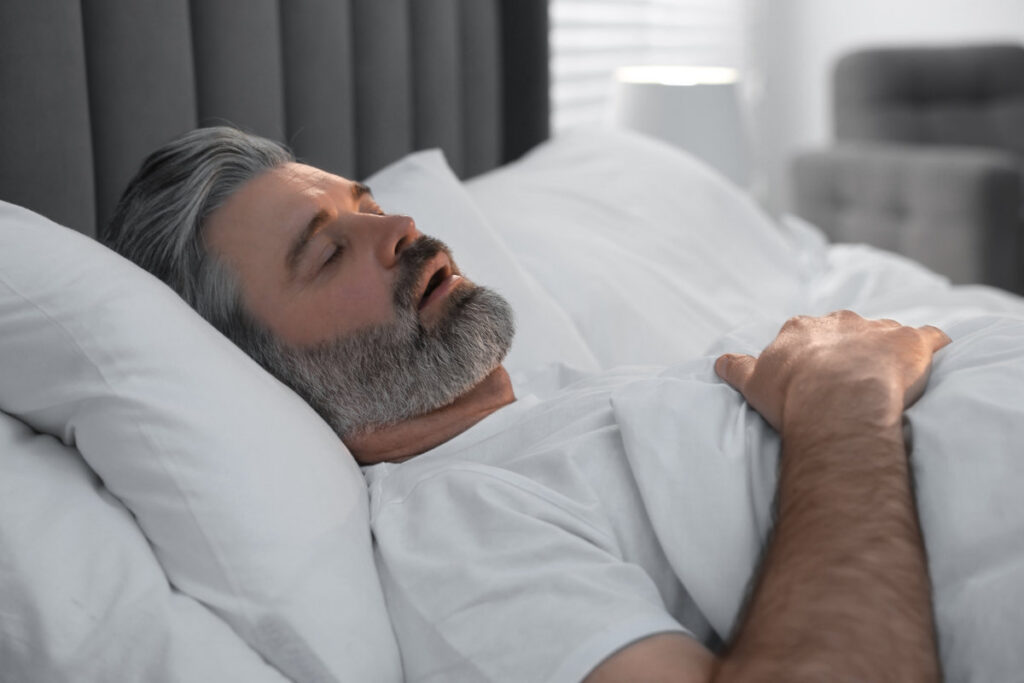
Most people picture a loud, rattling snore when they think of obstructive sleep apnea (OSA), but that assumption leaves a lot of people undiagnosed. If you wake up exhausted, struggle to concentrate, or feel like your sleep never really refreshes you, snoring may not be part of the picture at all.
At Newport Beach Dental Center, we help patients recognize the quieter signs of obstructive sleep apnea that often get missed. We can show you what to watch for and how obstructive sleep apnea treatment may help you breathe easier and sleep more soundly.
Why Snoring Is Not Always Present
Snoring happens when air struggles to move past relaxed tissue in the throat, but not every case of airway narrowing produces that sound. Some people have a different throat structure or a milder collapse that restricts airflow without enough vibration for anyone to hear. According to the National Center for Biotechnology Information, OSA involves repeated episodes of complete or partial upper airway collapse during sleep, and while loud snoring is a common symptom, excessive daytime sleepiness is one of the most common complaints.
This distinction is important to understand because many people assume a quiet night’s sleep means their breathing was never disrupted. In reality, the airway can narrow and reopen repeatedly through the night without producing a sound loud enough to wake a bed partner. Women, in particular, may experience symptoms that look nothing like the classic male presentation, which can make obstructive sleep apnea in women easier to overlook.
OSA Symptoms That Often Get Overlooked
The signs of OSA without snoring tend to show up during the day rather than at night, which is exactly why they get dismissed as stress, aging, or a busy schedule. Paying attention to how you feel while awake can reveal a nighttime breathing problem you never knew existed.
Daytime Signs to Watch For
Consider whether any of these patterns sound familiar before writing off constant tiredness as just part of your life:
Morning headaches: Waking up with a dull headache that fades within an hour may be linked to disrupted breathing overnight.
Daytime fatigue: Feeling drained no matter how many hours you spend in bed can signal fragmented, low-quality sleep.
Difficulty concentrating: Trouble focusing at work or during conversations often traces back to disrupted rest cycles.
Dry mouth on waking: Breathing through your mouth to compensate for a narrowed airway can leave your mouth parched.
Irritability or mood changes: Poor sleep can affect mood and emotional regulation.
Witnessed pauses in breathing: A partner may notice you stop breathing briefly even when there is no snoring.
If several of these feel familiar, it may be worth exploring whether your airway is the root cause rather than assuming you simply need more rest.
How We Identify Hidden Obstructive Sleep Apnea
Because the usual warning sign is absent, diagnosing OSA without snoring takes a more thorough conversation about your daily symptoms and sleep history. We start by asking detailed questions about your energy levels, focus, and how you feel first thing in the morning, because these clues often point toward disrupted breathing even when nights seem quiet.
From there, we may recommend an obstructive sleep apnea consultation to evaluate your airway and discuss whether a sleep study makes sense for your situation. Bringing a partner’s observations, such as noticing pauses in your breathing, can also help us see the full picture. Catching OSA earlier, before symptoms progress, gives you more options and may help you avoid the health risks tied to ignoring obstructive sleep apnea symptoms for too long.
Getting Relief Without Relying on Snoring as a Clue
Once we confirm an airway issue, there is more than one path to treatment. Depending on severity, a custom oral appliance repositions your jaw slightly during sleep to keep your airway open, offering a less bulky alternative for some patients who struggle with traditional options.
We also talk with patients about how an oral appliance compares to CPAP treatment, because knowing the differences upfront can make it easier to choose the option that fits your lifestyle. Your comfort, your diagnosis, and your daily routine all play a role. Better sleep may support sharper focus and steadier moods throughout the day.
Reach Out to Newport Beach Dental Center for Better Sleep
We know how frustrating it can feel to seem fine on paper while running on empty every day. Dr. Laura Sharbash is a Diplomate of the American Board of Dental Sleep Medicine and makes custom oral appliances for patients with obstructive sleep apnea, so we take the time to understand your specific symptoms and give you an accurate picture of what is happening while you sleep.
If mornings leave you drained more often than not, contact our office to schedule a consultation and find out whether an oral appliance could help you feel rested again.
If you wake up with a sore jaw, a dull headache, or worn-down teeth and can’t figure out why, your mouth may not be the only one to blame. Teeth grinding, known clinically as bruxism, and obstructive sleep apnea often show up together, and researchers believe your body may be clenching and grinding as a reaction to breathing interruptions you never consciously notice.
At Newport Beach Dental Center, we help patients untangle these overlapping symptoms so you get to the root cause instead of just treating the surface damage. We look beyond a cracked filling or a sore jaw to ask whether your airway, not just your bite, is driving the problem, and our obstructive sleep apnea treatment options reflect that approach.
What Is Obstructive Sleep Apnea?
Obstructive sleep apnea, or OSA, happens when the soft tissue in the back of your throat relaxes and blocks your airway during sleep. Each blockage forces your body to briefly wake up just enough to reopen the airway, repeatedly throughout the night without you even realizing it.
These repeated awakenings fragment your sleep cycle and starve your body of restorative rest, which is why catching the warning signs early matters tremendously.
Why Grinding and OSA Often Overlap
A 2025 systematic review published in the Journal of Clinical Medicine found bruxism occurs in 8% to 31% of the general population, but its prevalence was consistently higher in patients diagnosed with obstructive sleep apnea, suggesting the two conditions may be connected, though researchers note the exact relationship is still unclear. The same review associates OSA with reduced quality of life, hypertension, and increased cardiovascular risk.
One leading theory suggests grinding acts as a protective reflex, with jaw muscle activity that may help reopen a partially collapsed airway. Another theory points to the brief arousals your brain experiences during a breathing pause, which may trigger the muscle activity that shows up as grinding. For these reasons, grinding can be a potential red flag for an undiagnosed airway problem, not just a stress habit on its own.
Signs Your Grinding Might Be Airway Related
Not every case of bruxism points to obstructive sleep apnea, but certain patterns raise the likelihood. Loud snoring, gasping during sleep, morning headaches, and daytime drowsiness alongside your grinding are worth bringing up at your next visit. You can find out more about the risks of ignoring obstructive sleep apnea symptoms and why it’s so important to get ahead of it for both your oral and overall health.
Jaw pain worse in the morning, flattened or chipped teeth, and a partner who has noticed your breathing pause are strong clues as well. If several of these apply to you, tell us so we can look at the full picture instead of treating the grinding on its own.
How We Approach Diagnosis and Treatment
When you come to us with grinding concerns, we do not stop at fitting a nightguard and sending you home. We ask about your sleep quality, snoring, and daytime energy because those answers help us decide whether a referral for a sleep study makes sense first.
Treatment Options for Grinding and OSA
If OSA is confirmed or strongly suspected, treatment usually involves more than protecting your enamel. Depending on severity, we may recommend one of the following:
Oral appliance therapy: We can create a custom-fit device that repositions your jaw to keep your airway open through the night.
CPAP coordination: For moderate to severe OSA, we help coordinate care with your physician when a CPAP machine is the better fit.
Custom nightguards: A nightguard protects your teeth from wear while the airway issue is addressed separately.
You can compare oral appliance therapy and CPAP in more detail in our guide to oral appliance versus CPAP treatment, because the right choice often depends on your diagnosis and comfort level. Jaw clenching can also overlap with issues affecting the jaw joint itself, so if you are dealing with jaw pain alongside grinding, our TMJ treatment services address how those symptoms connect.
Newport Beach Dental Center Is Here to Help You Sleep and Smile Better
Dr. Laura Sharbash brings advanced training as a Fellow of the Academy of General Dentistry and a Diplomate of the American Board of Dental Sleep Medicine, giving her a focused background in exactly the overlap between dental health and sleep quality this article covers. Her approach blends careful diagnosis with a conservative, biomimetic philosophy, so any treatment we recommend looks at what is driving your symptoms.
If your mornings start with jaw soreness, worn teeth, or a headache you can’t explain, do not wait for it to get worse. Reach out through our contact page to schedule a visit, and let us help you figure out whether obstructive sleep apnea is the missing piece behind your grinding.
Your first Obstructive Sleep Apnea/OSA consultation at a dental office is a conversation and an exam, not a test you can pass or fail. You talk through your symptoms and sleep history, the dentist examines your mouth, jaw, and airway, and together you decide on next steps. Those next steps may include a referral for a sleep study, because a dentist can screen for OSA and treat it with an oral appliance, but the diagnosis itself comes from a physician after a sleep study.
At Newport Beach Dental Center, these consultations are led by Dr. Laura Sharbash, DDS, FAGD, D.ABDSM, a Diplomate of the American Board of Dental Sleep Medicine and a Qualified Dentist through the American Academy of Dental Sleep Medicine. Our Obstructive Sleep Apnea/OSA treatment page covers the treatment options we offer and what the broader care process looks like. Below, we focus on the visit itself: how to prepare, what happens in the chair, and what comes after you leave.
Why So Many Sleep Apnea Cases Go Undiagnosed
Obstructive Sleep Apnea/OSA is one of the most underdiagnosed conditions in adult health. A CDC research study on sleep disorder symptoms among U.S. adults found that about 4 in 10 adults surveyed reported snoring, and roughly three in four reported at least one sleep disorder symptom. Yet most people do not connect these symptoms to a diagnosable condition requiring treatment. Many normalize daytime fatigue, morning headaches, or restless sleep, attributing them to stress, aging, or lifestyle rather than a sleep-related breathing disorder.
That gap between symptoms and diagnosis is exactly why the first consultation matters. It is not just about confirming a suspicion; it is about getting a clear picture of what is happening and putting a plan in place. If you are still deciding whether your symptoms are worth a visit, our post on the risks of ignoring sleep apnea symptoms explains why they deserve attention.
How to Prepare for Your Consultation
A little preparation helps you get far more out of the appointment. The information below gives Dr. Sharbash a fuller picture of your sleep and helps her decide which next step makes sense for you.
Prior Sleep Study Results
If you have had a home or in-lab sleep study, bring the report and any physician notes about your diagnosis.
Your CPAP Experience
If you have tried CPAP, note what worked, what did not, and why you stopped or struggled with it.
Medications and Health History
A current medication list and any conditions such as high blood pressure help us understand the full picture.
A Bed Partner’s Observations
Snoring, gasping, or pauses in breathing that someone else has noticed are often the most useful details of all.
Insurance Information
Bring both your medical and dental insurance cards, since oral appliances are often billed through medical insurance.
You do not need to have all of this in hand to book a visit. If you have never had a sleep study, that is completely fine, and figuring out whether you need one is part of what the consultation is for.
What Happens at a Sleep Apnea/OSA Consultation?
A first Obstructive Sleep Apnea/OSA consultation at Newport Beach Dental Center is a conversation as much as it is a clinical evaluation. The visit generally moves through four parts.
1
Symptom and Sleep History
We talk through snoring, waking up gasping or unrefreshed, daytime sleepiness, and related health conditions.
2
Screening Questionnaires
Standardized sleepiness and risk questionnaires help put your symptoms into a consistent, measurable frame.
3
Oral and Airway Exam
Dr. Sharbash evaluates your jaw, bite, tongue, and soft palate, and checks your teeth and gums for appliance readiness.
4
Your Plan and Next Steps
You leave knowing whether a sleep study referral, an appliance, or another approach is the right next step.
The Conversation
We want to understand your symptoms, your sleep history, and how you have been feeling. We will ask about snoring frequency, whether you wake gasping or unrefreshed, how sleepy you feel during the day, and whether any existing health conditions may be connected to disrupted sleep. This is also your chance to tell us what you want out of treatment, whether that is quieter nights for your household, more energy during the day, or an alternative to a CPAP machine you have not been able to use.
The Exam
From there, Dr. Sharbash conducts an oral and airway examination to evaluate anatomical factors that commonly contribute to Obstructive Sleep Apnea/OSA, such as the size and positioning of the jaw, tongue, and soft palate. Because an oral appliance rests on your teeth, she also looks at the health of your teeth, gums, and jaw joints to confirm they can support one comfortably. In some cases we use three-dimensional imaging to see the airway more clearly. For a closer look at the specific oral signs dentists watch for, our guide on how to get diagnosed for Obstructive Sleep Apnea/OSA walks through them one by one.
The Role of a Sleep Study
Dentists do not diagnose Obstructive Sleep Apnea/OSA. Diagnosis requires a formal sleep study, ordered and interpreted by a physician, and that physician confirms whether OSA is present and how severe it is. What we do at the consultation is assess risk, identify signs that warrant a referral, and work collaboratively with the medical team once a diagnosis is confirmed. According to the American Academy of Dental Sleep Medicine, when a physician determines that oral appliance therapy is appropriate, they write a prescription and refer the patient to a qualified dentist who makes and manages the custom device.
If you have already completed a sleep study and received a diagnosis, bring that documentation to your consultation. It allows Dr. Sharbash to move directly into evaluating which treatment approach is most appropriate for your case and begin planning accordingly. If you have not yet had a sleep study and your evaluation suggests significant risk, we will walk you through the next steps for getting one, which may be an at-home test or an in-lab evaluation depending on what your physician recommends.
What Happens After Your First Visit
The consultation is the starting point. For patients who move forward with oral appliance therapy, the path from there usually looks like this.
Sleep Study
A physician orders and reads the study and confirms the diagnosis.
Records
We take detailed impressions and bite measurements for your custom appliance.
Fitting
Your appliance is fitted and you learn how to wear and clean it.
Follow-Up
Adjustments and check-ins confirm the device is comfortable and working.
Follow-up visits are part of the process, as proper titration and monitoring are essential to achieving the best outcomes. Your physician may also recommend a follow-up sleep study once your appliance is adjusted, to confirm how well it is controlling your symptoms.
What Treatment May Look Like
For patients who are not able to tolerate CPAP therapy, or who prefer a less cumbersome alternative, oral appliance therapy is a well-supported option for mild to moderate Obstructive Sleep Apnea/OSA. A custom-fit oral appliance works by gently repositioning the jaw during sleep to keep the airway open. It is compact, quiet, and does not require a machine or mask, which makes it significantly easier for many patients to use consistently. If you are weighing the two approaches, our comparison of oral appliance therapy vs. CPAP lays out how they differ.
At Newport Beach Dental Center, oral appliances are fitted, adjusted, and monitored with the same careful attention Dr. Sharbash applies to all of her general dentistry care. Because your teeth and jaw carry the appliance every night, those regular dental visits also let us watch for bite changes or jaw discomfort and adjust early. You can learn more about Dr. Sharbash’s background in dental sleep medicine on her provider page.
Questions Worth Asking at Your Consultation
Patients often leave a first visit wishing they had asked one more thing. Consider bringing a few of these questions with you:
Do I need a sleep study first? Ask whether your symptoms warrant a referral and whether an at-home or in-lab study is more likely.
Am I a good candidate for an oral appliance? Your teeth, gums, jaw joints, and the severity of your OSA all factor in.
How will my insurance handle this? Oral appliances are often billed through medical insurance, so ask what we will verify for you.
What does follow-up care involve? Ask how adjustments work and how we will coordinate with your physician.
There are no wrong questions here. The goal of the first visit is for you to leave with a clear plan and the information you need to decide on it.
Schedule Your Consultation at Newport Beach Dental Center
If you have been experiencing symptoms of Obstructive Sleep Apnea/OSA or have recently received a diagnosis and want to explore your treatment options, a consultation with Dr. Laura Sharbash, DDS, FAGD, D.ABDSM, is a practical and informative next step. Her combination of general dental training, a Fellowship in the Academy of General Dentistry, and Diplomate status with the American Board of Dental Sleep Medicine means you receive care that addresses the full picture, not just a single piece of it.
Ready for Your First Sleep Consultation?
Meet with Dr. Laura Sharbash at Newport Beach Dental Center to talk through your symptoms and your options.
We welcome patients from Newport Beach and the surrounding communities who are ready to take their sleep health seriously. Request an appointment online and our team will reach out to schedule your visit.
Frequently Asked Questions About Your First Sleep Apnea Consultation
Do I need a sleep study before my first consultation?
No. Many patients come in before they have had a sleep study. The consultation helps determine whether your symptoms and exam findings warrant a referral. If you have already had a study, bring the results so we can move straight into discussing treatment.
Will I leave the first visit with an oral appliance?
No. An oral appliance for sleep apnea is custom made, and it is provided only after a physician has confirmed the diagnosis with a sleep study. Once that is in place, we take impressions and bite measurements, and the appliance is fitted at a later appointment.
Does medical insurance cover an oral appliance for sleep apnea?
Oral appliances for obstructive sleep apnea are frequently billed through medical insurance rather than dental insurance, because OSA is a medical condition. Coverage varies by plan, so our team helps verify your specific benefits before treatment begins.
Can I schedule a consultation if I already use a CPAP machine?
Yes. Many patients come to us because CPAP has been difficult to use consistently. Bring your sleep study and let us know what has and has not worked. Any change to your treatment is coordinated with the physician who manages your sleep apnea.
Is the sleep apnea exam uncomfortable?
The exam is noninvasive and feels much like a thorough dental checkup. Dr. Sharbash looks at your teeth, gums, jaw, tongue, and throat, and imaging may be used to see the airway more clearly. Most of the visit is conversation about your sleep and symptoms.
Ignoring the symptoms of Obstructive Sleep Apnea/OSA allows repeated drops in oxygen and fragmented sleep to continue night after night, and over time that strain is linked to high blood pressure, heart disease, stroke, Type 2 diabetes, memory and mood problems, drowsy driving, and damage to your teeth. The four risk areas below are the most important reasons not to brush off loud snoring, gasping at night, or waking up exhausted. The encouraging part is that OSA is treatable, and the first step can begin in a dental chair.
At Newport Beach Dental Center, Dr. Laura Sharbash, DDS, FAGD, D.ABDSM, is a Diplomate of the American Board of Dental Sleep Medicine. Our dental team screens for signs of OSA, coordinates with physicians who order sleep studies and make the diagnosis, and provides custom oral appliance therapy for patients who qualify. Our OSA treatment options are designed to be comfortable and tailored to each patient’s needs so that restful, restorative sleep is no longer out of reach.
Why OSA Symptoms Are So Easy to Ignore
Many people chalk the signs up to stress, a long week, or getting older. Others never hear their own snoring or breathing pauses, so the first clue comes from a bed partner. Common warning signs include the following:
Loud Snoring
Especially when paired with gasping, choking, or snorting sounds.
Pauses in Breathing
Often noticed by a partner rather than the person sleeping.
Morning Symptoms
Waking with a dry mouth, sore throat, or headache.
Daytime Fatigue
Feeling unrefreshed despite a full night in bed, or dozing off easily.
Focus and Mood Changes
Trouble concentrating, forgetfulness, or irritability.
Symptoms can also look different in women, who are more likely to report insomnia, headaches, or mood changes than loud snoring. Our post on sleep apnea symptoms in women that are often overlooked covers those patterns in detail.
Risk 1: Cardiovascular Complications
The connection between OSA and heart health is one of the most well-documented in sleep medicine research. When breathing repeatedly stops during sleep, oxygen levels in the blood drop and the body releases stress hormones that push blood pressure up. Over time, this repeated strain is associated with high blood pressure, atrial fibrillation, heart failure, heart attack, and stroke. Research published through the National Heart, Lung, and Blood Institute found that the reduced oxygen levels caused by interrupted breathing help explain the higher cardiovascular risk seen in people with OSA.
Cardiovascular risk does not develop overnight, which is why many people never connect their fatigue and snoring to a heart health issue. High blood pressure that is hard to control despite medication is one pattern worth mentioning to both your physician and your dentist, since untreated OSA can be part of the picture.
Risk 2: Cognitive, Mood, and Safety Effects
Sleep is not a passive process. It is the time the brain uses to consolidate memories, clear metabolic waste, and regulate emotional responses. When OSA fragments sleep night after night, the brain does not get the deep, restorative rest it needs.
Memory, Focus, and Mood
The result can show up as difficulty concentrating, memory problems, slower decision-making, irritability, and over time, an increased vulnerability to anxiety and depression. According to the National Heart, Lung, and Blood Institute’s guidance on living with sleep apnea, untreated OSA has also been linked to dementia in older adults. Because these effects are easily mistaken for aging or everyday stress, many cases go undiagnosed for years. Learning more about what Obstructive Sleep Apnea is and how it disrupts the brain’s natural processes can help you connect the dots between symptoms and a treatable underlying cause.
Drowsy Driving and Accidents
Daytime sleepiness is not just uncomfortable. The NHLBI warns that untreated sleep apnea can make it hard to stay alert behind the wheel, raising the risk of car accidents. If you have ever caught yourself nodding off at a red light or during a meeting, treat that as a signal to get evaluated rather than something to push through with more coffee.
Risk 3: Metabolic and Hormonal Disruption
OSA does not just affect the heart and brain. It also interferes with the body’s hormonal and metabolic systems in ways that can be difficult to recognize. Disrupted sleep is associated with insulin resistance, weight gain, and difficulty managing blood sugar, and the NHLBI lists Type 2 diabetes and metabolic syndrome among the conditions linked to untreated sleep apnea. Poor sleep can also affect appetite-regulating hormones, making it harder to maintain a healthy weight even with diet and exercise.
This creates a cycle that can be frustrating for patients who are working hard on their metabolic health without realizing their sleep is undermining those efforts. Extra weight can narrow the airway, and a narrower airway can worsen OSA. Addressing OSA is often a meaningful piece of the puzzle for people dealing with unexplained weight changes or blood sugar irregularities.
Risk 4: Dental and Oral Health Consequences
What many patients don’t realize is that OSA has direct consequences for oral health as well. Mouth breathing, which is common in people with OSA, leads to chronic dry mouth, which in turn raises the risk of tooth decay and gum disease. OSA is also associated with bruxism, or nighttime teeth grinding, which wears down enamel, causes jaw pain, and can fracture teeth over time. These are issues Dr. Sharbash monitors closely during dental visits as part of our general dentistry care, and a custom nightguard may be part of protecting worn teeth once any airway concerns have been evaluated.
There is a reason dentists are often among the first to notice signs of OSA. Changes in the mouth, from worn teeth to a scalloped tongue to inflamed gums and jaw discomfort, can serve as early warning signals. Our post on how your dentist helps identify sleep apnea walks through what we look for during an exam.
Other Health Problems Linked to Untreated OSA
Beyond the four major risk areas, the NHLBI also connects untreated sleep apnea to pregnancy complications, gastroesophageal reflux, chronic kidney disease, certain eye conditions, and worsening asthma. It also advises telling your providers about sleep apnea before any surgery that involves sedation, since extra steps may be needed to keep your airway open. None of these risks mean OSA will cause them in every person, but together they show why a condition that looks like “just snoring” deserves real attention.
What to Do If You Recognize These Symptoms
The path from symptoms to treatment is more straightforward than many people expect. A dentist can screen for OSA and provide oral appliance therapy, but the diagnosis itself comes from a physician after a sleep study. Here is how the process typically works at our office:
1
Dental Screening
We review your symptoms and history and examine your mouth, jaw, and airway.
2
Sleep Study and Diagnosis
A physician orders an at-home or in-lab study and makes the diagnosis.
3
Treatment Plan
Options may include CPAP or, for eligible patients, a custom oral appliance.
4
Follow-Up Care
We check fit, make adjustments, and coordinate with your physician.
For patients diagnosed with mild to moderate OSA, or those who cannot tolerate CPAP, a custom oral appliance can be an effective option. The device is worn like a retainer and gently repositions the lower jaw to help keep the airway open during sleep. You can read more about the benefits of oral appliance therapy, or compare approaches in our post on oral appliance therapy vs. CPAP. Oral appliances are often billed through medical insurance rather than dental insurance, and our team helps verify coverage before treatment begins.
Take the Next Step at Newport Beach Dental Center
Obstructive Sleep Apnea/OSA is treatable, and addressing it sooner can protect your health, your sleep, and your quality of life. Dr. Laura Sharbash, DDS, FAGD, D.ABDSM, brings advanced training in dental sleep medicine to every OSA evaluation, and our team works alongside your physician so you are not left coordinating care on your own. Patients visit us from Newport Beach and nearby communities throughout Orange County. You can learn more about her background on her doctor profile page.
If any of the risks outlined here feel familiar, we encourage you to take the next step. Reach out to our team through our contact form to schedule a consultation with Dr. Sharbash. You deserve sleep that actually restores you.
Frequently Asked Questions About Untreated Sleep Apnea
Can sleep apnea go away on its own?
For most adults, Obstructive Sleep Apnea does not resolve without some form of treatment. Weight loss, sleep position changes, and avoiding alcohol before bed can reduce symptoms for some people, but anyone with warning signs should be evaluated rather than waiting to see if it improves.
Is snoring always a sign of sleep apnea?
No. Many people snore without having OSA. Snoring becomes more concerning when it is loud and paired with gasping, choking, pauses in breathing that a partner notices, or daytime sleepiness. Those combinations are worth discussing with your dentist or physician.
Can a dentist diagnose sleep apnea?
A dentist can screen for signs of OSA and recommend next steps, but the diagnosis is made by a physician after a sleep study. Once OSA is diagnosed, a dentist with training in dental sleep medicine can provide and adjust a custom oral appliance if it is the right treatment for you.
How soon should I get evaluated if I have symptoms?
It is worth scheduling an evaluation soon rather than waiting, especially if you feel drowsy while driving, have high blood pressure, or a partner has noticed pauses in your breathing. If you ever fall asleep behind the wheel, stop driving drowsy and seek care promptly.
How often do I need follow-up visits with an oral appliance?
After your appliance is fitted, we schedule visits to check fit and make adjustments. The National Heart, Lung, and Blood Institute recommends seeing your dentist about six months after starting treatment and then every year so the device can be checked, adjusted, or replaced as needed.
If you’ve been waking up exhausted, dealing with persistent headaches, or feeling unusually moody without a clear reason, you might have written it off as stress or a rough patch of sleep. What you may not know is that these experiences are among the most frequently missed warning signs of Obstructive Sleep Apnea/OSA in women. Research published in the Yale Journal of Biology and Medicine found that women with OSA are significantly underdiagnosed, in part because their symptoms often differ from the textbook male presentation.
At Newport Beach Dental Center, we take OSA seriously as a whole-health issue, not just a nighttime inconvenience. Dr. Laura Sharbash, DDS, FAGD, D.ABDSM, holds a Diplomate certification from the American Board of Dental Sleep Medicine, a credential that places her among a small group of dentists nationwide trained specifically in oral appliance therapy for OSA.
Recognize the Overlooked Symptoms of OSA in Women
Most people associate Obstructive Sleep Apnea/OSA with loud snoring and gasping for air. While those symptoms can certainly occur, women are far more likely to present with what researchers call “atypical” symptoms. These quieter signs are often misattributed to anxiety, depression, or hormonal changes, which means the root cause never gets treated.
The following are symptoms in women that are commonly linked to OSA but frequently go unrecognized:
Morning headaches that occur regularly without an obvious cause
Chronic fatigue or a persistent sense of exhaustion even after a full night of sleep
Insomnia, including difficulty falling or staying asleep
Mood disturbances such as irritability, low motivation, or feelings of depression
Brain fog or difficulty concentrating during the day
Waking up frequently during the night to use the bathroom
These symptoms deserve attention. If several of the above feel familiar, it may be time to speak with a qualified provider to determine whether OSA could be contributing.
Why Are Women So Often Missed?
Part of the problem is that most early OSA research focused heavily on male participants. As a result, the standard screening tools and symptom checklists were built around a male pattern of presentation. Women who report fatigue, mood changes, or insomnia are frequently routed toward mental health evaluations rather than sleep studies, delaying an accurate diagnosis by months or even years.
What Treatment Options Are Available for Women With OSA?
The good news is that effective, non-invasive treatment options exist. For many women, oral appliance therapy is a highly tolerable first-line approach, especially for those who have found CPAP therapy difficult to use consistently. Custom-fitted oral devices reposition the lower jaw slightly forward during sleep, keeping the airway open and reducing the frequency of apnea events.
Dr. Sharbash’s D.ABDSM certification means she is specifically trained to evaluate, fit, and monitor these devices. Learning more about the benefits of oral appliance therapy can help you determine whether this option is right for your situation. Lifestyle modifications, positional therapy, and coordination with a sleep physician are also part of a well-rounded care plan that we help guide.
Schedule a Sleep Apnea Consultation at Newport Beach Dental Center Today
OSA in women is a real, documented, and treatable condition that far too often gets dismissed or misdiagnosed. If any of these symptoms have been part of your experience, you now have a clearer picture of why they should not simply be chalked up to stress or aging. Dr. Laura Sharbash, DDS, FAGD, D.ABDSM is one of fewer than 6% of general dentists to earn the FAGD designation.
A thorough dental exam can sometimes reveal anatomical signs that warrant further evaluation for OSA. This is one of the reasons why keeping up with regular dental checkups is about more than just your teeth. If you are ready to take the next step, we invite you to contact our office to schedule a consultation and get answers tailored to your health.
Your bedroom may look perfect for sleep, but if you are still tossing and turning at night, the problem might not be your mattress or blackout curtains. Poor sleep hygiene affects millions of Americans, contributing to daytime fatigue, a compromised immune system, and health conditions like obstructive sleep apnea. Your dentist can play a meaningful role in helping you work toward more restorative sleep.
At Newport Beach Dental Center, we understand the connection between oral health and quality sleep. Dr. Laura Sharbash combines her background in general dentistry with advanced training in dental sleep medicine to help patients address sleep concerns through comprehensive care. By looking at both sleep hygiene habits and potential dental factors affecting your rest, we can help you work toward waking up feeling more refreshed.
1. Create a Consistent Sleep Schedule That Your Body Can Trust
Your internal clock thrives on predictability, so maintaining regular sleep cycles helps regulate your circadian rhythm. Try to go to bed and wake up around the same time every day, even on weekends. This consistency helps your body prepare for sleep by releasing melatonin at the right times.
When you establish a routine, your body begins to expect sleep, which can make it easier to fall asleep and wake up naturally. Start by finding a bedtime that allows for seven to nine hours of sleep, then stick to it for at least two weeks to help your body adjust.
2. Design a Relaxing Pre-Sleep Routine
Your evening routine should signal to your body that it is time to wind down. Consider activities like gentle stretching, reading, or taking a warm bath. Limiting stimulating activities, such as intense exercise or exciting television, for at least two hours before bed can also help.
If you grind your teeth at night, incorporating jaw relaxation exercises into your bedtime routine can help reduce tension. Gentle jaw massage and stress-reduction techniques can complement professional treatments, such as nightguards, which help protect your teeth while you sleep.
3. Optimize Your Sleep Environment for Maximum Comfort
Your bedroom should be cool, dark, and quiet. Room temperatures between 65 and 68 degrees Fahrenheit typically promote better sleep quality. Consider blackout curtains, eye masks, or white noise machines if your environment has unavoidable light or sound disruptions.
Pay attention to the quality of your pillow and mattress, since proper spinal alignment can help prevent discomfort that disrupts sleep. If you are prone to snoring or have been told you stop breathing during sleep, your sleeping position or oral health may be affecting your airway, which makes it worth discussing with a dental professional trained in sleep medicine.
4. Watch Your Evening Food and Drink Intake
What you consume in the hours leading up to bedtime can significantly impact your sleep quality. Caffeine, large meals, and alcohol close to bedtime can make it harder to fall asleep or stay asleep through the night.
Consider these guidelines for better sleep:
Stop eating large meals at least three hours before bedtime.
Stop drinking caffeine after 2 p.m., since it can stay in your system for up to eight hours.
Avoid using alcohol as a sleep aid, since it disrupts sleep cycles and can worsen snoring.
Choose light snacks if you are hungry before bed, focusing on foods with tryptophan or magnesium.
These dietary adjustments can help reduce nighttime awakenings and support overall sleep quality.
Many people do not realize that their dentist can help identify signs of obstructive sleep apnea, a condition in which breathing recurrently stops during sleep. According to the American Academy of Sleep Medicine, around 26 percent of adults between the ages of 30 and 70 have this condition. Common symptoms include loud snoring, morning headaches, dry mouth upon waking, and daytime fatigue despite spending adequate time in bed. For a closer look at what this condition involves, see our overview of what obstructive sleep apnea is.
During routine dental exams, we can spot signs like worn teeth from grinding, a large tongue, or anatomical features that may contribute to airway obstruction. Early recognition of these signs can lead to sleep apnea treatment options that may improve both sleep quality and overall health.
How Oral Appliance Therapy Fits Into a Sleep Hygiene Plan
Good sleep hygiene habits are the foundation of restorative rest, but for patients with airway-related sleep issues, habit changes alone may not fully resolve the problem. A custom-fitted oral appliance can help keep the airway more open during sleep by gently repositioning the jaw, working alongside the habits above rather than replacing them. Our page on oral appliance therapy covers how this treatment works and who tends to benefit most from it.
If you are unsure whether your sleep concerns are related to habits, your airway, or a combination of both, a conversation with our team is the best place to start. We can help you figure out which pieces of your sleep hygiene routine to adjust first and whether further evaluation makes sense for your situation.
Frequently Asked Questions About Sleep Hygiene and Dental Health
How is a dentist able to spot signs of sleep problems?
During a routine exam, a dentist can look for physical signs linked to sleep-related breathing issues, such as worn tooth surfaces from grinding, a scalloped tongue, or a narrow airway. These findings do not confirm a diagnosis on their own, but they can indicate that further evaluation, such as a sleep study, may be worth discussing.
What is the difference between poor sleep hygiene and sleep apnea?
Poor sleep hygiene refers to habits and environmental factors, such as an inconsistent schedule or too much screen time before bed, that make it harder to get quality rest. Sleep apnea is a physical condition involving repeated pauses in breathing during sleep, which usually requires professional evaluation and treatment rather than habit changes alone.
Can a nightguard help with sleep quality?
A nightguard is primarily designed to protect teeth from the effects of grinding and clenching during sleep, which can also reduce jaw tension that interferes with rest. For patients whose sleep issues are related to airway obstruction rather than grinding, a different type of oral appliance may be more appropriate.
How long does it take to notice improvements from better sleep hygiene?
Many people notice a difference within one to two weeks of consistently applying better sleep habits, such as a fixed bedtime and a calmer pre-sleep routine. Results vary from person to person, and habits often need to be maintained consistently rather than tried for a few nights at a time.
Should I mention sleep problems at my regular dental checkup?
Yes. Sharing details like snoring, morning headaches, or daytime fatigue during your checkup gives our team helpful context alongside what we observe during the exam. This information can help determine whether further evaluation for a sleep-related breathing issue makes sense for you.
Better Sleep Starts With Newport Beach Dental Center
Quality sleep affects every facet of your health, from your immune system to your mood and cognitive function. While good sleep hygiene habits form the foundation of restorative rest, sometimes professional help is needed to address underlying issues that prevent quality sleep. Dr. Sharbash’s advanced training as a Fellow of the Academy of General Dentistry and Diplomate of the American Board of Dental Sleep Medicine positions her to help patients work toward better sleep through comprehensive dental care.
Our approach combines sleep hygiene education with dental treatments for sleep-related breathing concerns. With the practice’s tradition of service in this community since 1985, we are committed to helping you work toward the restful sleep you deserve. Do not let another restless night affect your wellbeing; contact us today to learn how we can help improve your sleep quality.
This might come as a surprise, but your dentist is often the first health care provider to spot signs of obstructive sleep apnea (OSA) during your regular checkup. While you’re focused on cavity prevention and keeping your smile bright, your dentist is actually examining clues that could reveal whether you’re getting quality sleep at night. The mouth and throat hold hidden clues about your sleep patterns, and dentists are uniquely positioned to notice the telltale signs that something more serious than snoring might be happening.
At Newport Beach Dental Center, our team looks beyond just your teeth and gums. We examine the bigger picture of your oral health and how it connects to your overall well-being. Dr. Laura Sharbash, a Diplomate of the American Board of Dental Sleep Medicine, brings advanced training in sleep-related breathing disorders to every patient evaluation, combining routine dental care with a comprehensive sleep health screening.
Signs of OSA in Your Mouth
The American Dental Association recognizes that dentists are well positioned to identify patients at risk for sleep-related breathing disorders, since a routine checkup offers a window into airway and jaw health that other providers may not see as often. During your dental exam, several oral indicators can suggest a higher likelihood of OSA. These are the signs your dentist commonly checks for:
Teeth grinding marks (bruxism): Worn or flattened tooth surfaces, especially on the back teeth, often occur when the body works harder to keep the airway open during sleep.
Tongue size and position: A large tongue, or one that sits low in the mouth, can crowd the airway during sleep.
Scalloped tongue edges: Indentations along the sides of the tongue suggest it is pressing against the teeth due to limited space.
Narrow or high-arched palate: A smaller oral cavity can leave less room for the tongue and airway structures.
Jaw alignment and bite patterns: Certain bite relationships can narrow the space available for airflow.
None of these signs alone confirms OSA, but together they help your dentist decide whether a conversation about your sleep and a possible referral is worth having. It also helps to know that these warning signs do not always look the same from one patient to the next. In fact, sleep apnea symptoms in women are often overlooked because they can present as fatigue, morning headaches, or mood changes rather than the loud snoring most people associate with the condition.
Beyond the Obvious Signs
During routine cleanings, your dentist also examines your throat and soft palate for signs of inflammation or enlargement that could narrow your breathing passages. A red, irritated throat can point to frequent snoring, while an elongated soft palate or enlarged tonsils can contribute to airway obstruction during sleep.
The positioning of your jaw plays a role in airway health as well. A receding lower jaw or a narrow upper jaw can leave less room for your tongue and airway structures, so your dentist will review your bite and jaw alignment and note how these factors might affect your breathing overnight.
Dry mouth symptoms often accompany OSA because mouth breathing becomes more common when nasal passages or throat structures restrict normal airflow. Your dentist may ask about morning dry mouth, frequent nighttime urination, or waking up with a sore throat, since these details help build a more complete picture of your sleep health alongside the physical exam.
The Health Risks of Untreated Sleep Apnea
Sleep apnea is not just about feeling tired. Left unaddressed, the repeated drops in oxygen and disrupted sleep cycles associated with OSA are linked to a range of general health concerns, including elevated blood pressure, cardiovascular strain, and daytime fatigue that can affect concentration and safety. This is one reason dental screening matters: many people do not realize how disruptive their sleep actually is until a screening conversation prompts them to look closer. If you want a deeper look at how these effects can build over time, our post on the risks of ignoring sleep apnea symptoms walks through the general health concerns associated with leaving OSA unaddressed.
Because the signs of OSA overlap with so many everyday complaints, snoring, restlessness, morning grogginess, it is easy to dismiss them as ordinary tiredness. A dental screening adds another set of trained eyes to the picture, which is part of why professional dental organizations encourage dentists to ask about sleep as part of standard preventive care.
The Screening and Diagnostic Process
It is worth being clear about what your dentist can and cannot do here. Dentists are trained to screen for signs of OSA and identify risk factors, but a formal diagnosis of obstructive sleep apnea is made by a physician or sleep medicine specialist, typically based on a sleep study. Your dentist’s role is to notice the warning signs early, ask the right questions, and refer you to the right professional when your risk factors warrant a closer look.
If your dentist notices signs that suggest a higher risk of OSA, they may use screening questionnaires and review your medical and dental history to understand your risk factors more fully. Questions about your sleep quality, a partner’s observations of snoring or breathing pauses, and daytime fatigue levels all help paint a more complete picture before any referral is made.
We sometimes use three-dimensional imaging to evaluate airway dimensions and identify anatomical factors that may contribute to breathing difficulties. This technology allows our team to see the relationship between jaw position, tongue placement, and available airway space more clearly than a visual exam alone, and it gives a sleep medicine physician useful information if a referral becomes necessary. If you are curious about what this evaluation actually involves, our overview of what to expect during your first sleep apnea consultation walks through the process step by step.
Treatment Options
Once a physician has confirmed an OSA diagnosis, your dentist can become part of your treatment team. Many patients are candidates for oral appliance therapy, which uses a custom-fitted device worn during sleep to help maintain proper jaw positioning and support an open airway. For patients who find a CPAP machine difficult to tolerate, an oral appliance can be a more comfortable option, though the right choice always depends on the severity of your case and your physician’s recommendation.
At Newport Beach Dental Center, we work closely with sleep medicine physicians to support comprehensive, coordinated care. You can learn more about the specific devices and approaches we offer on our sleep apnea treatment page. We also stay in communication with other health care providers to help address related concerns, such as elevated blood pressure, that can accompany untreated OSA, so your care plan reflects your full health picture rather than your smile alone.
Newport Beach Dental Center’s Comprehensive Sleep Health Approach
Dr. Laura Sharbash combines her Fellowship in the Academy of General Dentistry with advanced training as a Diplomate of the American Board of Dental Sleep Medicine to provide thorough sleep health evaluations. Her dual perspective as both a general dentist and a qualified dental sleep specialist means she can help identify potential risk factors during routine care and coordinate appropriate next steps. Dr. Sharbash’s recognition as one of the “10 Dentists to Watch” by AGD Impact reflects her ongoing commitment to staying current with diagnostic and treatment approaches in dental sleep medicine.
Our practice takes a personalized approach to each patient’s sleep health concerns, pairing a careful oral exam with the diagnostic tools described above to build the most accurate picture possible before any referral. Quality sleep affects nearly every part of your health, from your energy levels to your long-term well-being, and a dental checkup is a simple, low-pressure place to start that conversation. To schedule a comprehensive evaluation, contact our office and let our team know you would like to discuss sleep health screening at your next visit.
Frequently Asked Questions About Dental Sleep Apnea Screening
Can a dentist actually diagnose sleep apnea?
A dentist can screen for warning signs and risk factors of obstructive sleep apnea during a routine exam, but a formal diagnosis is made by a physician or sleep medicine specialist, usually based on a sleep study. Your dentist’s role is to notice the signs early and refer you to the right provider for testing.
What warning signs does a dentist look for during a checkup?
Common oral indicators include worn or flattened teeth from grinding, a large or scalloped tongue, a narrow palate, throat or soft palate inflammation, and jaw positioning that may narrow the airway. No single sign confirms sleep apnea, but a combination of them often prompts a closer conversation about sleep quality.
Will my dentist recommend a sleep study?
If your dentist notices risk factors during a screening, they may recommend a referral to a sleep medicine physician for a formal sleep study. This step confirms whether obstructive sleep apnea is present and helps determine the most appropriate treatment approach for your situation.
How is oral appliance therapy different from a CPAP machine?
Oral appliance therapy uses a small, custom-fitted device worn during sleep to help keep the airway open, while a CPAP machine uses continuous air pressure delivered through a mask. Many patients find an oral appliance easier to tolerate, though the right option depends on the severity of your case and your physician’s recommendation.
How often should I be screened for sleep apnea at the dentist?
Sleep health screening is a natural part of a routine dental checkup, so most patients are reassessed at their regular cleaning visits. If your symptoms change or a partner notices new snoring or breathing pauses between visits, it is worth mentioning sooner rather than waiting for your next scheduled appointment.
General Dentist | Diplomate, American Board of Dental Sleep Medicine
Dr. Laura Sharbash leads Newport Beach Dental Center with a Fellowship in the Academy of General Dentistry and advanced training as a Diplomate of the American Board of Dental Sleep Medicine. She was recognized as one of the “10 Dentists to Watch” by AGD Impact for her commitment to comprehensive, sleep-conscious dental care.
Picture this: you wake up feeling like you wrestled with an octopus all night, and your partner gently mentions you sounded like a freight train. If obstructive sleep apnea (OSA) has been disrupting your sleep, you’re likely wondering whether oral appliance therapy or CPAP therapy offers the better path to a peaceful night’s rest. While both treatments can be highly effective for managing OSA, the right choice depends on your specific needs, lifestyle, and severity of the condition.
When it comes to treating obstructive sleep apnea, we understand the importance of finding a solution that fits seamlessly into your life. Dr. Laura Sharbash, a Diplomate of the American Board of Dental Sleep Medicine, brings advanced training in sleep medicine to help patients navigate these treatment options and find the method that works best for their unique situation.
Understanding Your Treatment Options
CPAP (Continuous Positive Airway Pressure) therapy has long been considered the primary method for treating moderate to severe OSA. This treatment uses a machine that delivers pressurized air through a mask, keeping your airway open throughout the night. The constant airflow prevents the throat tissues from collapsing and blocking your breathing.
Oral appliance therapy, on the other hand, takes a different approach. These custom-designed devices work by repositioning your jaw and tongue to maintain an open airway. Think of it as a retainer with a very important job: keeping your breathing passages clear while you sleep.
CPAP Pros and Cons
CPAP therapy offers several compelling advantages. It’s highly effective for severe OSA cases and can provide immediate relief from symptoms. Many patients experience dramatic improvements in energy levels, concentration, and overall quality of life within just a few nights of consistent use.
However, CPAP therapy isn’t without its challenges. Studies show that CPAP adherence ranges from 30 to 60%. The machine requires electricity and regular maintenance, making travel more complicated. Some patients experience discomfort, skin irritation, or claustrophobia while wearing a mask. The noise from the machine, though much quieter than older models, can still disturb light sleepers or their partners.
Oral Appliance Therapy: A Comfortable Alternative
Oral appliance therapy offers a more streamlined approach to OSA treatment. These devices are small, portable, and completely silent. You can comfortably pack them for travel without worrying about power sources or TSA regulations.
The comfort factor often makes oral appliances more appealing for long-term use. Unlike CPAP masks, which some patients find intrusive, oral appliances feel similar to wearing a mouthguard for sports. Most people adjust to sleeping with them within a few nights.
Patient compliance tends to be higher with oral appliances because they’re less disruptive to daily routines. There’s no machine to clean, no filters to replace, and no risk of power outages affecting your treatment.
Making the Right Choice for You
The decision between CPAP and oral appliance therapy depends on several factors. The severity of your OSA plays a crucial role in determining your treatment options. CPAP therapy remains the first-line treatment for severe cases, while oral appliances are effective for mild to moderate OSA.
Your sleep position preferences matter too. If you’re a side sleeper who struggles with CPAP mask positioning, an oral appliance might feel more natural. Active travelers often prefer the convenience of oral appliances, while those who sleep in the same location every night may not mind the setup requirements of CPAP.
Some patients benefit from combination approaches or may need to try different solutions over time. What matters most is finding a treatment you’ll use consistently, because the most effective therapy is the one you actually stick with night after night.
Getting Started With Sleep Apnea Treatment at Newport Beach Dental Center
Dr. Laura Sharbash brings unique qualifications as both a Fellow of the Academy of General Dentistry (FAGD) and a Diplomate of the American Board of Dental Sleep Medicine (D.ABDSM) to help you navigate your OSA treatment options. Her comprehensive approach considers not only your sleep apnea symptoms but also how treatment fits into your overall health and lifestyle goals.
During your consultation, Dr. Sharbash will review your sleep study results, consider your symptoms and concerns, and help determine whether oral appliance therapy might be right for you. She works closely with sleep physicians to ensure coordinated care and optimal treatment outcomes. Ready to discuss your options for better sleep and improved health? Contact Newport Beach Dental Center at (949) 760-9212 or request an appointment to learn how we can help you achieve the restful sleep you deserve.
It’s common to hear about healthy teeth and healthy gums when visiting the dentist, but did you expect to hear about healthy sleep? Along with improving your oral hygiene, you may not know that a trip to Newport Beach Dental Center may be instrumental in improving your sleep hygiene, too!
How so?
Dr. Laura Sharbash practices dental sleep medicine, which is a growing segment of dentistry that focuses on managing snoring and sleep apnea with oral appliance therapy.
Oral appliance therapy is an effective treatment option for snoring and obstructive sleep apnea. An oral appliance fits over your teeth like an orthodontic retainer while you sleep and supports your jaw in a forward position to keep your airway open. A custom-fit oral appliance can improve your sleep, restore your alertness, and revitalize your health.
Many patients prefer oral appliance therapy as a solution for living with sleep apnea, rather than CPAP therapy, because it is:
Comfortable – Since an oral appliance fits like a retainer, it’s more comfortable and easier to wear than a CPAP mask that’s connected to a machine – especially for those who change positions during sleep.
Quiet – A CPAP machine’s motor constantly runs during the night, which might not help you or your bed partner sleep soundly. An oral appliance is a silent option that can minimize the symptoms of sleep apnea, including loud snoring.
Portable – A compact, lightweight oral appliance is much easier to travel with than a bulky CPAP machine. It also doesn’t require electricity, so you can bring it wherever!
Easy to Care For – Cleaning and caring for an oral appliance is easy. Just a toothbrush cleaning with mild soap will keep your appliance fresh and clean.
Good sleep hygiene means the daily habits and bedroom environment that shape how well you sleep each night, and for most adults, small consistent changes make a bigger difference than any product or gadget. The Centers for Disease Control and Prevention notes that adults need seven or more hours of quality sleep a night, yet many people still wake up tired no matter how long they spend in bed. Often the issue is not the number of hours but the quality of those hours, and that is where sleep hygiene comes in.
At Newport Beach Dental Center, we look at sleep from a slightly different angle than most people expect from a dental office. Dr. Laura Sharbash, DDS, FAGD, D.ABDSM, holds a Diplomate credential from the American Board of Dental Sleep Medicine, and part of her practice focuses on sleep apnea treatment for patients whose sleep problems turn out to be a medical condition rather than a habit issue. The steps below can help most people sleep more soundly, and they can also help you recognize when a sleep problem may need more than a habit change.
Keep a Consistent Sleep Schedule
Going to bed and waking up at the same time every day, including weekends, helps keep your body’s internal clock steady. Large swings between weekday and weekend sleep times, sometimes called social jet lag, can leave you feeling groggy even after a full night in bed. Long naps during the day can work against this consistency too, especially naps taken in the afternoon, since they reduce how tired you feel at your normal bedtime. If you need a nap, keeping it short and earlier in the day tends to interfere with nighttime sleep less.
Build a Sleep-Friendly Bedroom Environment
Your bedroom plays a bigger role in sleep quality than most people realize. A quiet, dark, and cool room supports the natural drop in body temperature that helps trigger sleep. Turning off the television and setting aside phones, tablets, and laptops in the hour before bed matters as well, since the bright light from those screens can delay the release of melatonin, the hormone that signals your body it is time to sleep. If outside noise or light is unavoidable, earplugs, blackout curtains, or a white noise machine can help recreate a calmer environment.
Wind Down With a Bedtime Routine
A relaxing pre-bedtime routine gives your body a clear signal that sleep is coming. A warm bath, light reading, or a few minutes of stretching can all work well, as long as the routine is calming rather than stimulating. Try to keep the routine consistent from night to night. Over time, your body starts to associate those specific activities with the transition into sleep, which can make falling asleep feel more automatic.
Pay Attention to Food, Caffeine, and Alcohol Timing
What and when you eat and drink during the day affects sleep more than most people expect. Caffeine late in the afternoon or evening can stay in your system for hours and delay sleep onset, and large or heavy meals close to bedtime can cause discomfort that keeps you awake. Alcohol is a common source of confusion here, since it can make you feel drowsy at first but tends to fragment sleep later in the night, leading to more awakenings. Regular exercise during the day supports better sleep as well, though vigorous workouts too close to bedtime can have the opposite effect for some people.
Following the habits above consistently gives most people a noticeably better night’s sleep. A few habits worth building into your routine include the following:
Go to bed and wake up at the same time daily, weekends included
Keep the bedroom quiet, dark, and cool
Turn off screens at least 30 minutes before bed
Avoid caffeine in the afternoon and evening
Limit alcohol and large meals close to bedtime
Most people notice an improvement within a couple of weeks of building these habits consistently, though it can take longer if your sleep problems have been ongoing for a while.
Why Sleep Quality Affects More Than Just Energy Levels
Consistent, quality sleep supports far more than feeling alert the next day. The CDC notes that adults who regularly get enough good quality sleep tend to get sick less often, maintain a healthier weight, and manage stress and mood more easily. Sleep also plays a direct role in heart health, and the CDC links chronic insufficient sleep to a higher long-term risk of type 2 diabetes, heart disease, high blood pressure, and stroke. Attention, memory, and reaction time also depend heavily on sleep quality, which is part of why drowsy driving remains a meaningful public safety concern.
These are strong reasons to take sleep hygiene seriously even if you do not feel severely sleep-deprived day to day. Small, cumulative sleep debt can affect your health and daily functioning well before it feels like a serious problem.
When Poor Sleep Hygiene Might Be Something More
Good sleep hygiene resolves a lot of sleep complaints, but it does not address every sleep problem. If you are consistently following these habits and still waking up exhausted, snoring loudly, or gasping for air during the night, the underlying issue may be a sleep disorder rather than a habit problem. Obstructive sleep apnea is one of the more common culprits, and it typically will not improve with a better bedtime routine alone because the airway itself is physically obstructed during sleep. A dentist can often spot early warning signs of sleep apnea during a routine exam, which is one reason dentists are frequently the first to notice it.
If a sleep physician confirms a diagnosis of obstructive sleep apnea, treatment options range from lifestyle changes to CPAP therapy to oral appliance therapy, a smaller, quieter alternative that many patients find easier to tolerate night after night.
Improve Your Sleep With Newport Beach Dental Center
Healthy sleep habits can meaningfully improve your quality of life, and building the routines above is a strong first step for most people. If you have tried consistent sleep hygiene changes and are still waking up tired, snoring, or feeling like your sleep just is not restful, it may be worth having your airway evaluated rather than adjusting your routine further. Dr. Sharbash and our team can help determine whether a sleep-related breathing issue may be part of the picture, and if a sleep physician confirms obstructive sleep apnea, we can also walk you through oral appliance therapy as a comfortable, CPAP-free option for many patients.
Reach out through our online contact form to schedule a visit and talk through your sleep concerns.
Frequently Asked Questions About Sleep Hygiene
How many hours of sleep do adults need each night?
According to the Centers for Disease Control and Prevention, most adults between 18 and 60 need seven or more hours of quality sleep each night. Adults over 60 generally need slightly less, closer to seven to nine hours depending on age. Quality matters as much as quantity, so uninterrupted sleep tends to feel more restful than a longer night with frequent waking.
Does napping ruin nighttime sleep?
A short nap earlier in the day usually does not interfere much with nighttime sleep. Long naps, or naps taken in the late afternoon, can reduce how sleepy you feel at your normal bedtime, which makes it harder to fall asleep on schedule. If you regularly nap and struggle at night, cutting naps to twenty or thirty minutes and taking them earlier in the day is a reasonable place to start.
Why does my bedroom need to be cool for good sleep?
Your body temperature naturally drops as part of falling asleep, and a cooler bedroom supports that process rather than working against it. A room that is too warm can make it harder to fall asleep and more likely that you wake up during the night. Most people sleep best with the thermostat somewhere in the mid to upper sixties.
When should poor sleep be checked out by a doctor or dentist?
If you have consistently practiced good sleep hygiene for a few weeks and still wake up exhausted, snore loudly, or gasp for air during the night, it is worth having your sleep evaluated rather than continuing to adjust your routine. These can be signs of obstructive sleep apnea, which requires a diagnosis and treatment rather than habit changes alone.
Can alcohol before bed help you sleep better?
Alcohol can make you feel drowsy at first, but it tends to fragment sleep later in the night and leads to more awakenings as it is metabolized. It can also relax the muscles in the throat, which may worsen snoring or breathing interruptions in people prone to sleep-disordered breathing. Limiting alcohol close to bedtime generally supports more restful, uninterrupted sleep.
Cookie Consent
We use cookies to improve your experience on our site. By using our site, you consent to cookies.
Cookie Preferences
Manage your cookie preferences below:
Essential cookies enable basic functions and are necessary for the proper function of the website.
Name
Description
Duration
Cookie Preferences
This cookie is used to store the user's cookie consent preferences.
30 days
Cookie Preferences
This cookie is used to store the user's cookie consent preferences.
30 days
Geolocation Config
This cookie is used to store the consent settings based on the visitor's location.
30 days
Geolocation Config
This cookie is used to store the consent settings based on the visitor's location.
30 days
Geolocation Config
This cookie is used to store the consent settings based on the visitor's location.
30 days
Cookie Preferences
This cookie is used to store the user's cookie consent preferences.
30 days
CloudFlare provides web performance and security solutions, enhancing site speed and protecting against threats.
Whether a CAPTCHA or Javascript challenge has been solved.
session
_cfuvid
The _cfuvid cookie is only set when a site uses this option in a Rate Limiting Rule, and is only used to allow the Cloudflare WAF to distinguish individual users who share the same IP address.
session
__cflb
When enabling session affinity with Cloudflare Load Balancer, Cloudflare sets a __cflb cookie with a unique value on the first response to the requesting client. Cloudflare routes future requests to the same origin, optimizing network resource usage. In the event of a failover, Cloudflare sets a new __cflb cookie to direct future requests to the failover pool.
session
__cf_bm
Cloudflare's bot products identify and mitigate automated traffic to protect your site from bad bots. Cloudflare places the __cf_bm cookie on End User devices that access Customer sites that are protected by Bot Management or Bot Fight Mode. The __cf_bm cookie is necessary for the proper functioning of these bot solutions.
session
__cfruid
Used by the content network, Cloudflare, to identify trusted web traffic.
session
cf_chl_rc_m
These cookies are for internal use which allows Cloudflare to identify production issues on clients.
session
cf_chl_rc_ni
These cookies are for internal use which allows Cloudflare to identify production issues on clients.
session
cf_chl_rc_i
These cookies are for internal use which allows Cloudflare to identify production issues on clients.
session
__cfwaitingroom
The __cfwaitingroom cookie is only used to track visitors that access a waiting room enabled host and path combination for a zone. Visitors using a browser that does not accept cookies cannot visit the host and path combination while the waiting room is active.
session
cf_use_ob
The cf_use_ob cookie informs Cloudflare to fetch the requested resource from the Always Online cache on the designated port. Applicable values are: 0, 80, and 443. The cf_ob_info and cf_use_ob cookies are persistent cookies that expire after 30 seconds.
session
cf_ob_info
The cf_ob_info cookie provides information on: The HTTP Status Code returned by the origin web server. The Ray ID of the original failed request. The data center serving the traffic
session
__cfseq
Sequence rules uses cookies to track the order of requests a user has made and the time between requests and makes them available via Cloudflare Rules. This allows you to write rules that match valid or invalid sequences. The specific cookies used to validate sequences are called sequence cookies.
session
These cookies are needed for adding comments on this website.
Name
Description
Duration
comment_author_url
Used to track the user across multiple sessions.
Session
comment_author_email
Used to track the user across multiple sessions.
Session
comment_author
Used to track the user across multiple sessions.
Session
Google reCAPTCHA helps protect websites from spam and abuse by verifying user interactions through challenges.
Name
Description
Duration
_GRECAPTCHA
Google reCAPTCHA sets a necessary cookie (_GRECAPTCHA) when executed for the purpose of providing its risk analysis.
179 days
Google Tag Manager simplifies the management of marketing tags on your website without code changes.
Name
Description
Duration
td
Registers statistical data on users' behaviour on the website. Used for internal analytics by the website operator.
session
cookiePreferences
Registers cookie preferences of a user
2 years
Statistics cookies collect information anonymously. This information helps us understand how visitors use our website.
Name
Description
Duration
calltrk_fcid
-
calltrk_landing
6 months
calltrk_nearest_tld
10 years
calltrk_referrer
6 months
calltrk_session_id
-
Name
Description
Duration
_clck
-
_clsk
24 hours
Google Analytics is a powerful tool that tracks and analyzes website traffic for informed marketing decisions.
Used to monitor number of Google Analytics server requests when using Google Tag Manager
1 minute
_gid
ID used to identify users for 24 hours after last activity
24 hours
_gali
Used by Google Analytics to determine which links on a page are being clicked
30 seconds
_ga
ID used to identify users
2 years
__utmx
Used to determine whether a user is included in an A / B or Multivariate test.
18 months
__utmv
Contains custom information set by the web developer via the _setCustomVar method in Google Analytics. This cookie is updated every time new data is sent to the Google Analytics server.
2 years after last activity
__utmz
Contains information about the traffic source or campaign that directed user to the website. The cookie is set when the GA.js javascript is loaded and updated when data is sent to the Google Anaytics server
6 months after last activity
__utmc
Used only with old Urchin versions of Google Analytics and not with GA.js. Was used to distinguish between new sessions and visits at the end of a session.
End of session (browser)
_gac_
Contains information related to marketing campaigns of the user. These are shared with Google AdWords / Google Ads when the Google Ads and Google Analytics accounts are linked together.
90 days
__utmb
Used to distinguish new sessions and visits. This cookie is set when the GA.js javascript library is loaded and there is no existing __utmb cookie. The cookie is updated every time data is sent to the Google Analytics server.
30 minutes after last activity
__utmt
Used to monitor number of Google Analytics server requests
10 minutes
__utma
ID used to identify users and sessions
2 years after last activity
Marketing cookies are used to follow visitors to websites. The intention is to show ads that are relevant and engaging to the individual user.
Google Maps is a web mapping service providing satellite imagery, real-time navigation, and location-based information.