
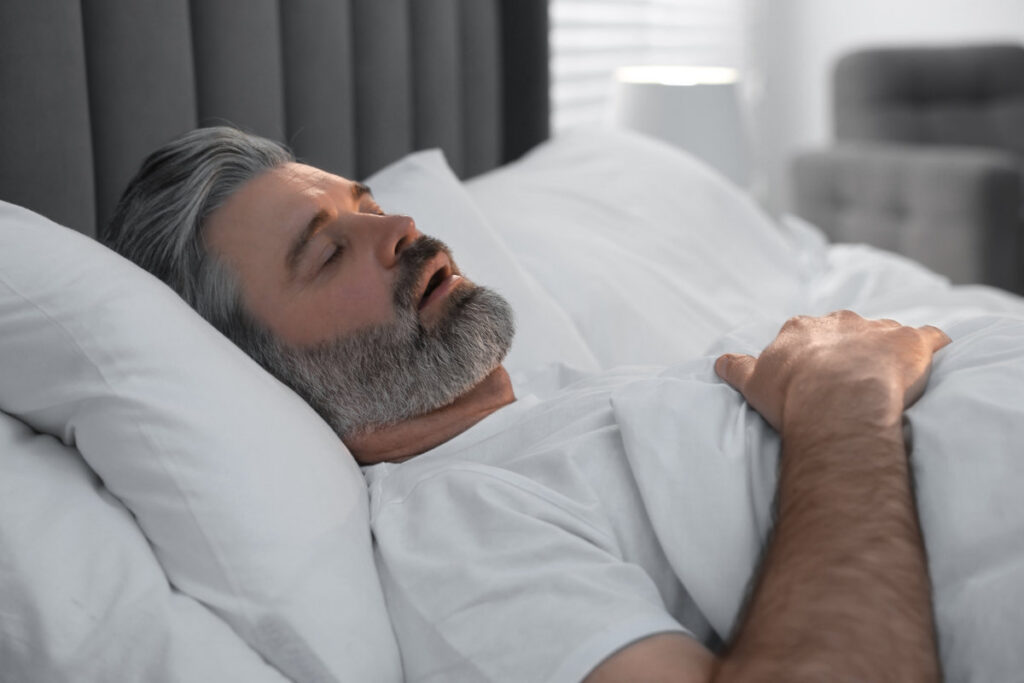
Ignoring the symptoms of Obstructive Sleep Apnea/OSA allows repeated drops in oxygen and fragmented sleep to continue night after night, and over time that strain is linked to high blood pressure, heart disease, stroke, Type 2 diabetes, memory and mood problems, drowsy driving, and damage to your teeth. The four risk areas below are the most important reasons not to brush off loud snoring, gasping at night, or waking up exhausted. The encouraging part is that OSA is treatable, and the first step can begin in a dental chair.
At Newport Beach Dental Center, Dr. Laura Sharbash, DDS, FAGD, D.ABDSM, is a Diplomate of the American Board of Dental Sleep Medicine. Our dental team screens for signs of OSA, coordinates with physicians who order sleep studies and make the diagnosis, and provides custom oral appliance therapy for patients who qualify. Our OSA treatment options are designed to be comfortable and tailored to each patient’s needs so that restful, restorative sleep is no longer out of reach.
Why OSA Symptoms Are So Easy to Ignore
Many people chalk the signs up to stress, a long week, or getting older. Others never hear their own snoring or breathing pauses, so the first clue comes from a bed partner. Common warning signs include the following:
Symptoms can also look different in women, who are more likely to report insomnia, headaches, or mood changes than loud snoring. Our post on sleep apnea symptoms in women that are often overlooked covers those patterns in detail.
Risk 1: Cardiovascular Complications
The connection between OSA and heart health is one of the most well-documented in sleep medicine research. When breathing repeatedly stops during sleep, oxygen levels in the blood drop and the body releases stress hormones that push blood pressure up. Over time, this repeated strain is associated with high blood pressure, atrial fibrillation, heart failure, heart attack, and stroke. Research published through the National Heart, Lung, and Blood Institute found that the reduced oxygen levels caused by interrupted breathing help explain the higher cardiovascular risk seen in people with OSA.
Cardiovascular risk does not develop overnight, which is why many people never connect their fatigue and snoring to a heart health issue. High blood pressure that is hard to control despite medication is one pattern worth mentioning to both your physician and your dentist, since untreated OSA can be part of the picture.
Risk 2: Cognitive, Mood, and Safety Effects
Sleep is not a passive process. It is the time the brain uses to consolidate memories, clear metabolic waste, and regulate emotional responses. When OSA fragments sleep night after night, the brain does not get the deep, restorative rest it needs.
Memory, Focus, and Mood
The result can show up as difficulty concentrating, memory problems, slower decision-making, irritability, and over time, an increased vulnerability to anxiety and depression. According to the National Heart, Lung, and Blood Institute’s guidance on living with sleep apnea, untreated OSA has also been linked to dementia in older adults. Because these effects are easily mistaken for aging or everyday stress, many cases go undiagnosed for years. Learning more about what Obstructive Sleep Apnea is and how it disrupts the brain’s natural processes can help you connect the dots between symptoms and a treatable underlying cause.
Drowsy Driving and Accidents
Daytime sleepiness is not just uncomfortable. The NHLBI warns that untreated sleep apnea can make it hard to stay alert behind the wheel, raising the risk of car accidents. If you have ever caught yourself nodding off at a red light or during a meeting, treat that as a signal to get evaluated rather than something to push through with more coffee.
Risk 3: Metabolic and Hormonal Disruption
OSA does not just affect the heart and brain. It also interferes with the body’s hormonal and metabolic systems in ways that can be difficult to recognize. Disrupted sleep is associated with insulin resistance, weight gain, and difficulty managing blood sugar, and the NHLBI lists Type 2 diabetes and metabolic syndrome among the conditions linked to untreated sleep apnea. Poor sleep can also affect appetite-regulating hormones, making it harder to maintain a healthy weight even with diet and exercise.
This creates a cycle that can be frustrating for patients who are working hard on their metabolic health without realizing their sleep is undermining those efforts. Extra weight can narrow the airway, and a narrower airway can worsen OSA. Addressing OSA is often a meaningful piece of the puzzle for people dealing with unexplained weight changes or blood sugar irregularities.
Risk 4: Dental and Oral Health Consequences
What many patients don’t realize is that OSA has direct consequences for oral health as well. Mouth breathing, which is common in people with OSA, leads to chronic dry mouth, which in turn raises the risk of tooth decay and gum disease. OSA is also associated with bruxism, or nighttime teeth grinding, which wears down enamel, causes jaw pain, and can fracture teeth over time. These are issues Dr. Sharbash monitors closely during dental visits as part of our general dentistry care, and a custom nightguard may be part of protecting worn teeth once any airway concerns have been evaluated.
There is a reason dentists are often among the first to notice signs of OSA. Changes in the mouth, from worn teeth to a scalloped tongue to inflamed gums and jaw discomfort, can serve as early warning signals. Our post on how your dentist helps identify sleep apnea walks through what we look for during an exam.
Other Health Problems Linked to Untreated OSA
Beyond the four major risk areas, the NHLBI also connects untreated sleep apnea to pregnancy complications, gastroesophageal reflux, chronic kidney disease, certain eye conditions, and worsening asthma. It also advises telling your providers about sleep apnea before any surgery that involves sedation, since extra steps may be needed to keep your airway open. None of these risks mean OSA will cause them in every person, but together they show why a condition that looks like “just snoring” deserves real attention.
What to Do If You Recognize These Symptoms
The path from symptoms to treatment is more straightforward than many people expect. A dentist can screen for OSA and provide oral appliance therapy, but the diagnosis itself comes from a physician after a sleep study. Here is how the process typically works at our office:
If you are nervous about the first appointment, our guide to what to expect during your first OSA consultation explains the conversation, the exam, and how the sleep study fits in.
Oral Appliance Therapy as a Treatment Option
For patients diagnosed with mild to moderate OSA, or those who cannot tolerate CPAP, a custom oral appliance can be an effective option. The device is worn like a retainer and gently repositions the lower jaw to help keep the airway open during sleep. You can read more about the benefits of oral appliance therapy, or compare approaches in our post on oral appliance therapy vs. CPAP. Oral appliances are often billed through medical insurance rather than dental insurance, and our team helps verify coverage before treatment begins.
Take the Next Step at Newport Beach Dental Center
Obstructive Sleep Apnea/OSA is treatable, and addressing it sooner can protect your health, your sleep, and your quality of life. Dr. Laura Sharbash, DDS, FAGD, D.ABDSM, brings advanced training in dental sleep medicine to every OSA evaluation, and our team works alongside your physician so you are not left coordinating care on your own. Patients visit us from Newport Beach and nearby communities throughout Orange County. You can learn more about her background on her doctor profile page.
If any of the risks outlined here feel familiar, we encourage you to take the next step. Reach out to our team through our contact form to schedule a consultation with Dr. Sharbash. You deserve sleep that actually restores you.
Frequently Asked Questions About Untreated Sleep Apnea
Can sleep apnea go away on its own?
For most adults, Obstructive Sleep Apnea does not resolve without some form of treatment. Weight loss, sleep position changes, and avoiding alcohol before bed can reduce symptoms for some people, but anyone with warning signs should be evaluated rather than waiting to see if it improves.
Is snoring always a sign of sleep apnea?
No. Many people snore without having OSA. Snoring becomes more concerning when it is loud and paired with gasping, choking, pauses in breathing that a partner notices, or daytime sleepiness. Those combinations are worth discussing with your dentist or physician.
Can a dentist diagnose sleep apnea?
A dentist can screen for signs of OSA and recommend next steps, but the diagnosis is made by a physician after a sleep study. Once OSA is diagnosed, a dentist with training in dental sleep medicine can provide and adjust a custom oral appliance if it is the right treatment for you.
How soon should I get evaluated if I have symptoms?
It is worth scheduling an evaluation soon rather than waiting, especially if you feel drowsy while driving, have high blood pressure, or a partner has noticed pauses in your breathing. If you ever fall asleep behind the wheel, stop driving drowsy and seek care promptly.
How often do I need follow-up visits with an oral appliance?
After your appliance is fitted, we schedule visits to check fit and make adjustments. The National Heart, Lung, and Blood Institute recommends seeing your dentist about six months after starting treatment and then every year so the device can be checked, adjusted, or replaced as needed.